Feathered Changes
Outdoor permanent floor-piece
Los Angeles County Museum of Art, California, USA
Opening April 2026
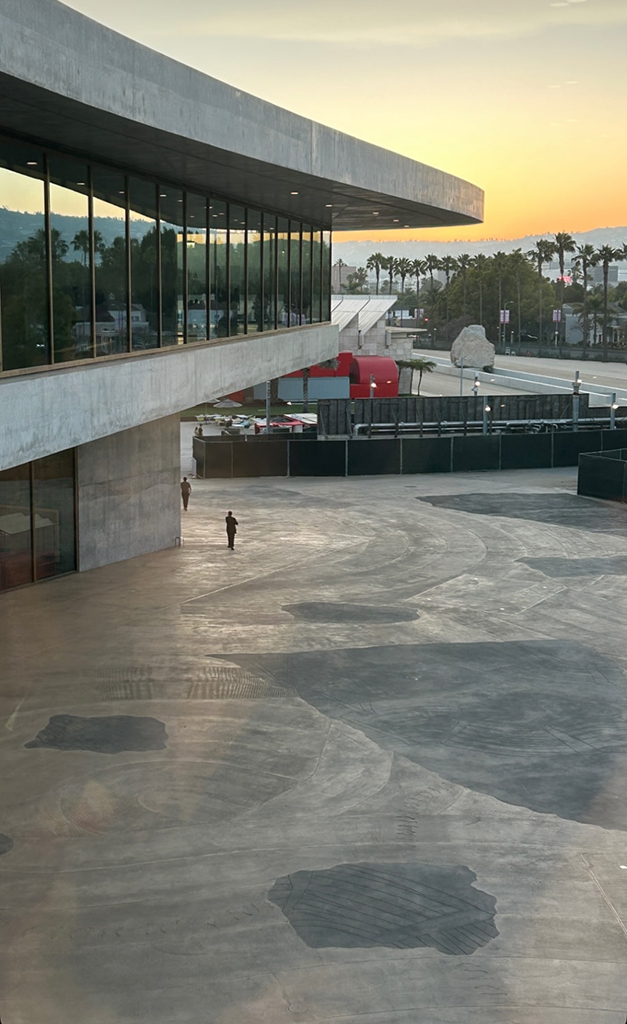
General view from Feathered Changes, 2024
Outdoor permanent floorpiece
Low-relief drawings on concrete surface with black aggregates
LACMA, Los Angeles, USA
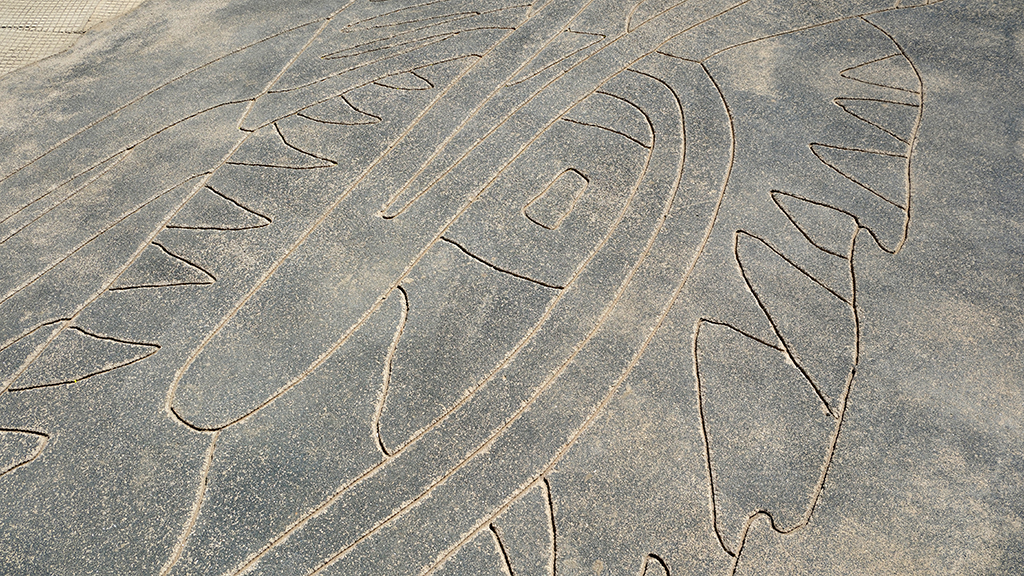
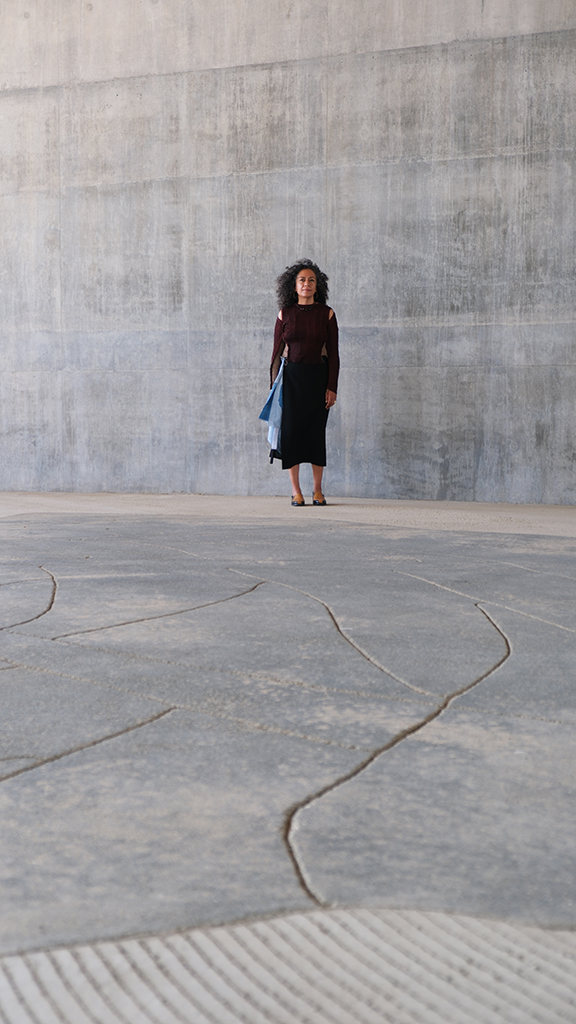
LACMA sits on land that was a nourishing marshy ecosystem for thousands of years. The location produced a trove of fossils discovered during site preparation for the David Geffen Galleries. To connect the new building by Peter Zumthor to the soil it stands on, artist Mariana Castillo Deball is creating the commissioned artwork Feathered Changes, which will spread over 75,000 square feet of the campus in an expansive meditation on time, geologic history, and the LACMA site.
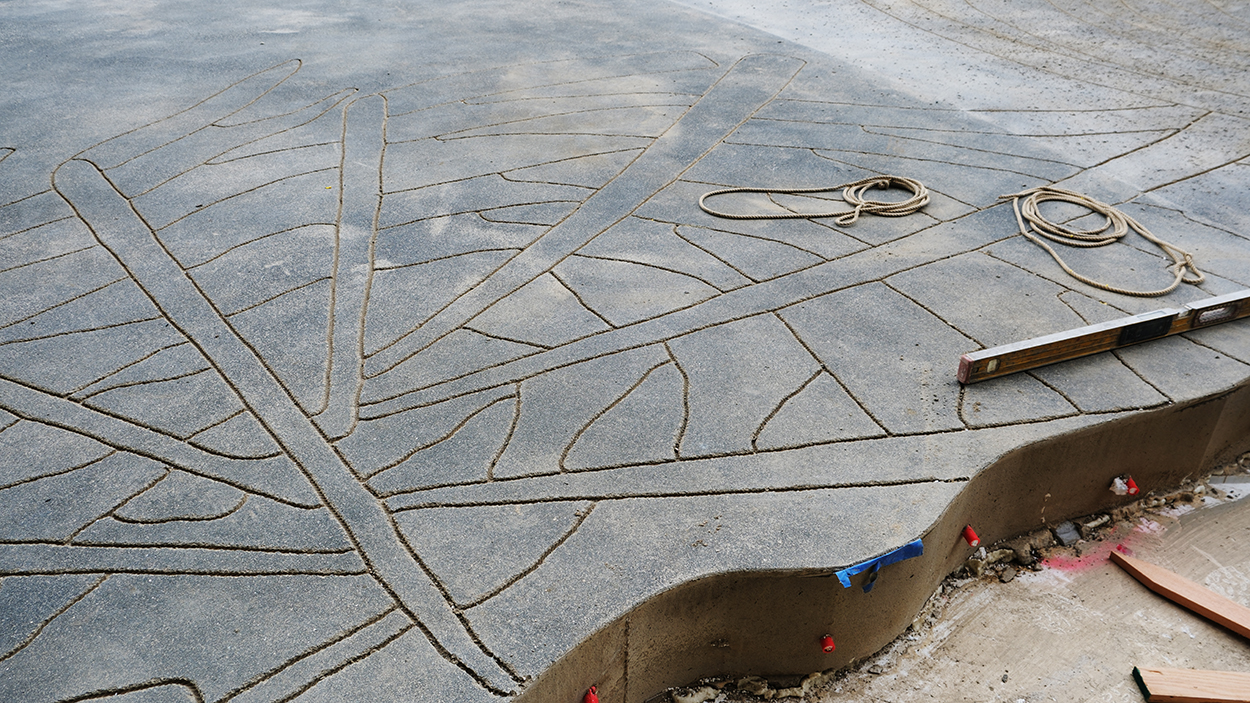
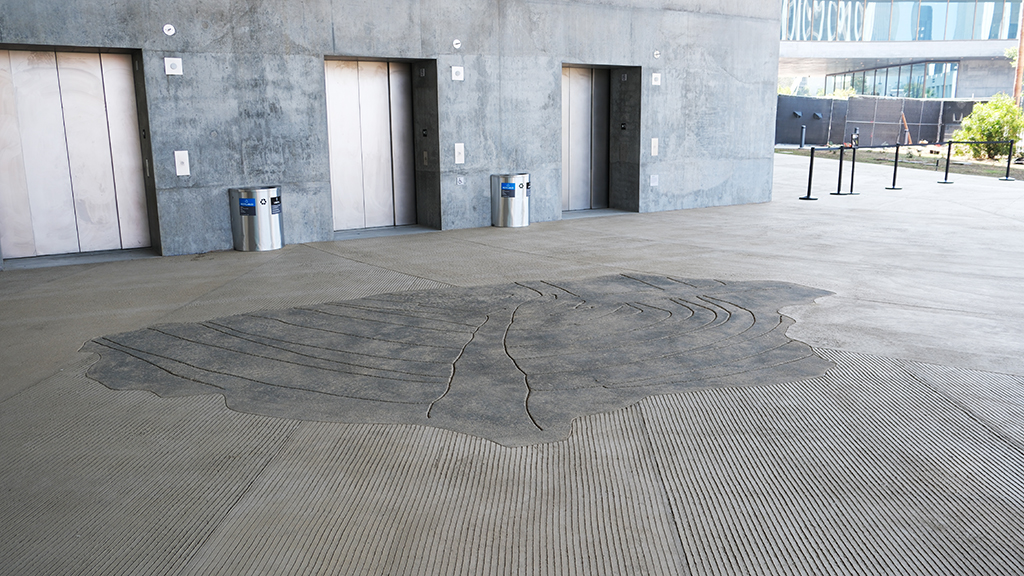
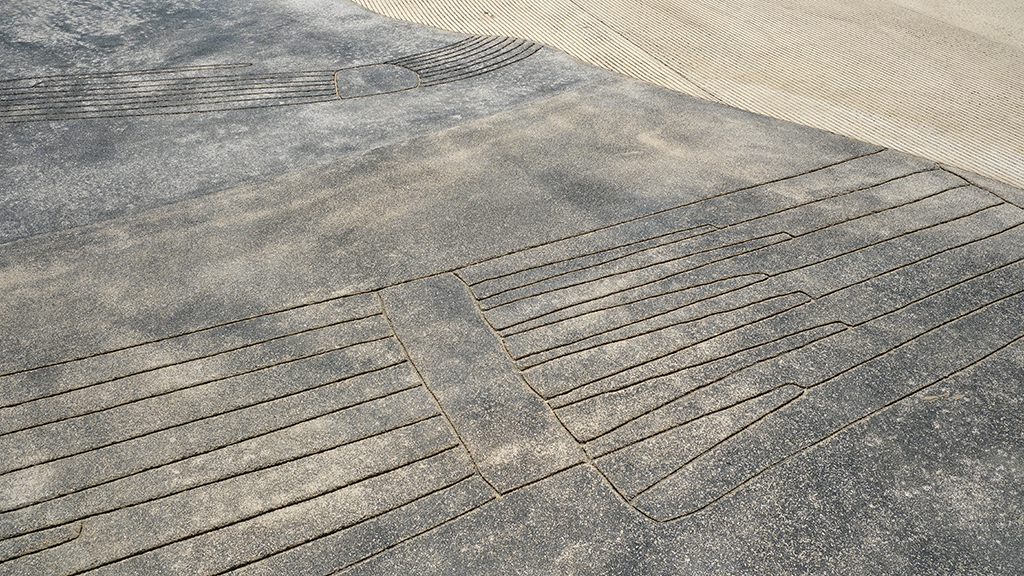
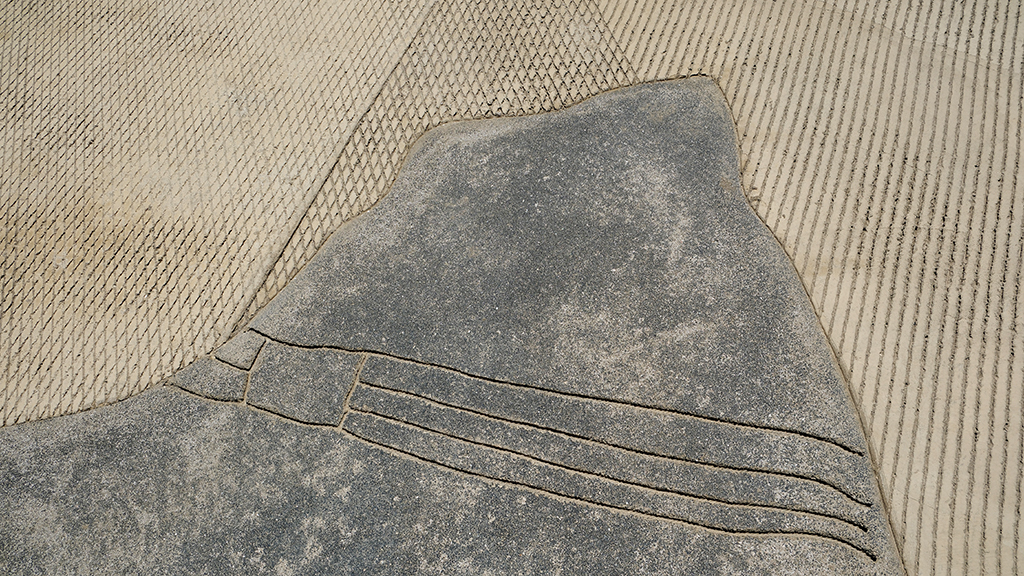
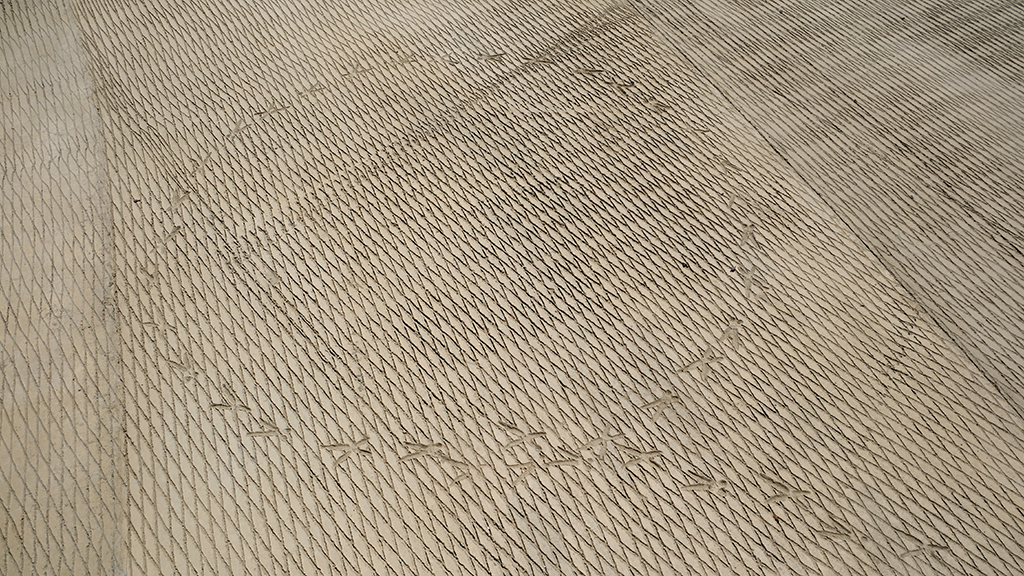
A series of “islands” scattered across the east campus will be surrounded by a brushed pattern inscribed into the Plaza with a method closely related to the way concrete is textured before it is set with a broom or rake, and the techniques used in dry Zen gardens to create patterns in sand, reflecting possible circulation routes throughout the plaza and the organic shape of the David Geffen Galleries. The concrete islands are imprinted with fragments of the artist’s feathered serpent drawings, based on fragments of ancient murals from Teotihuacan.
The Feathered Serpent is an ancient Mesoamerican symbol representing the connection between the earth and the sun, soil and water, place and transformation. The landscape of the installation will also be inscribed with animal tracks native to California, creating an organic drawing on the surface of the huge ground plane. With Feathered Changes, Castillo Deball acknowledges the many Indigenous people of the Los Angeles area and their connections to the larger indigenous histories in our continent.
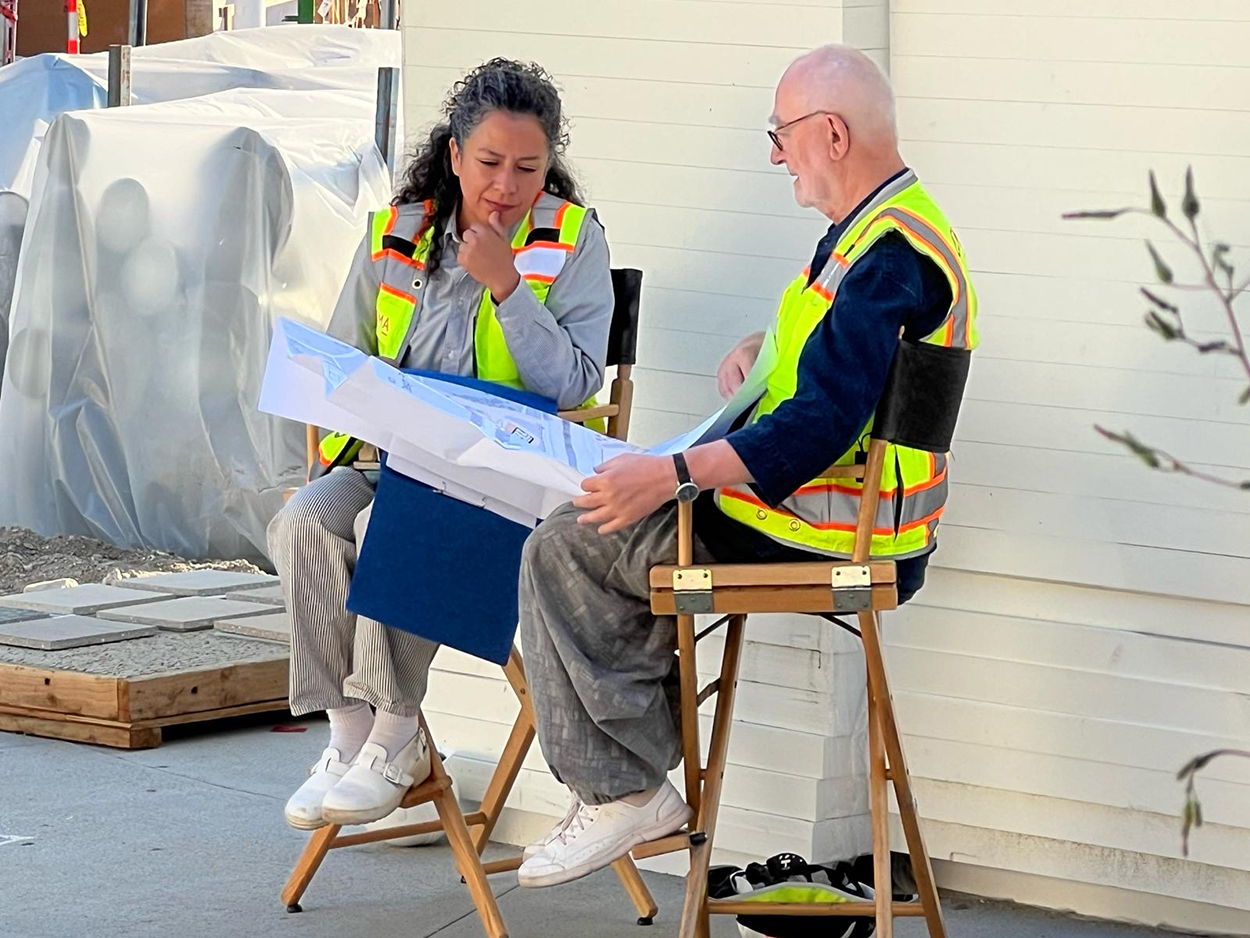
Mariana Castillo Deball and Peter Zumthor
Shot on the building site of Feathered Changes
LACMA, Los Angeles, USA
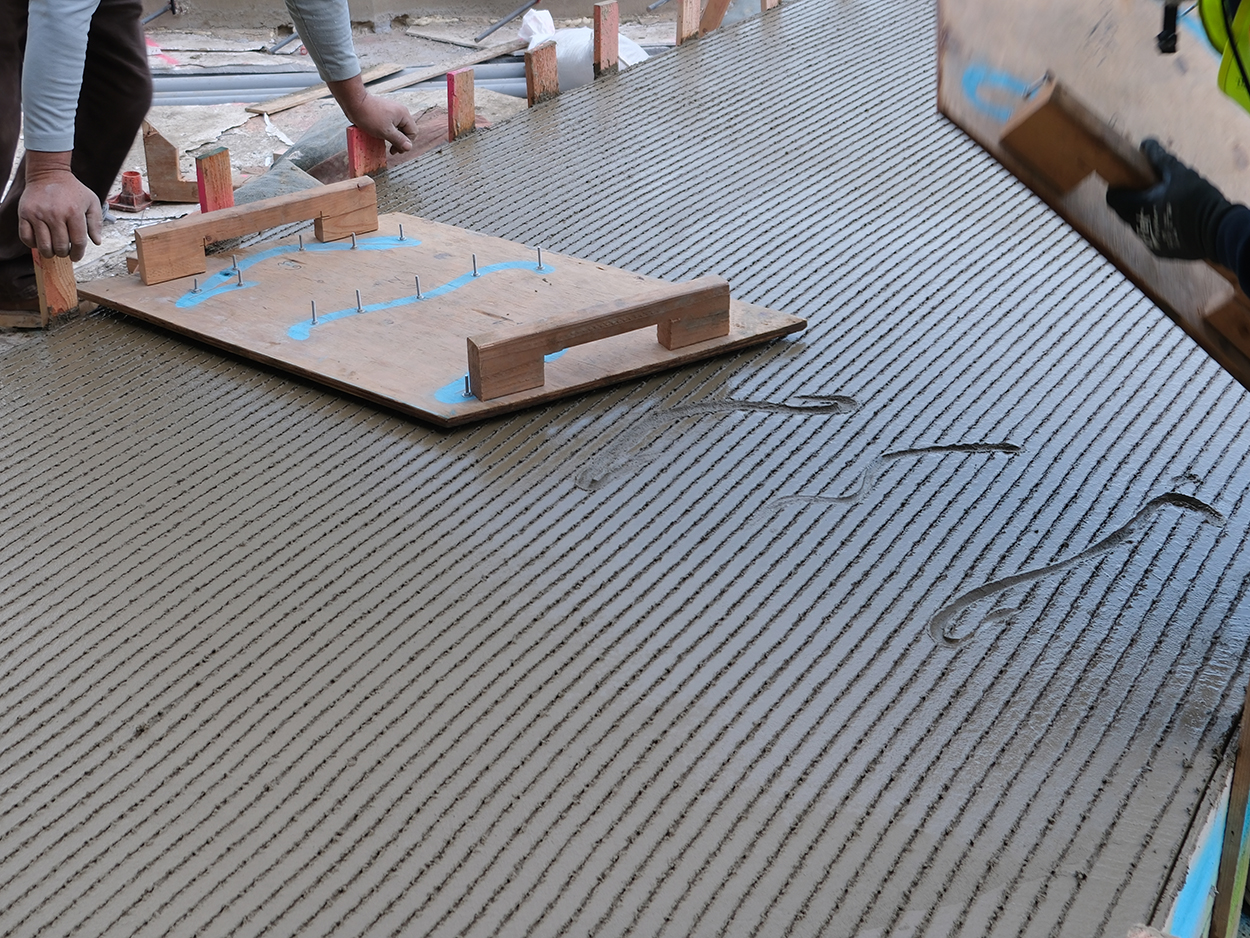
Work in progress of Feathered Changes, 2024
Animal paws low-reliefs
LACMA, Los Angeles, USA
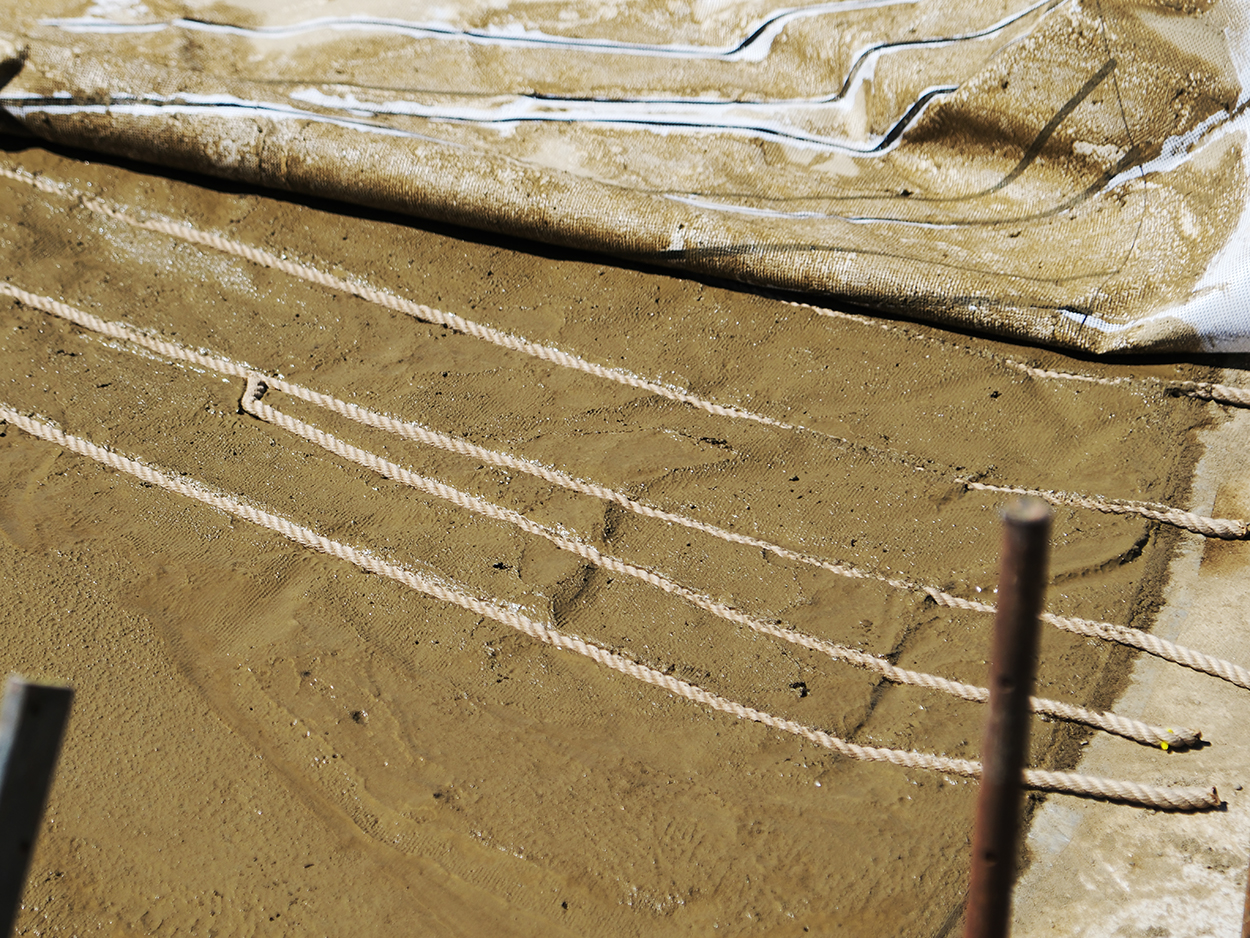
Work in progress of Feathered Changes, 2024
Ropes embedded in a concrete slab to create lowreliefs drawings
LACMA, Los Angeles, USA
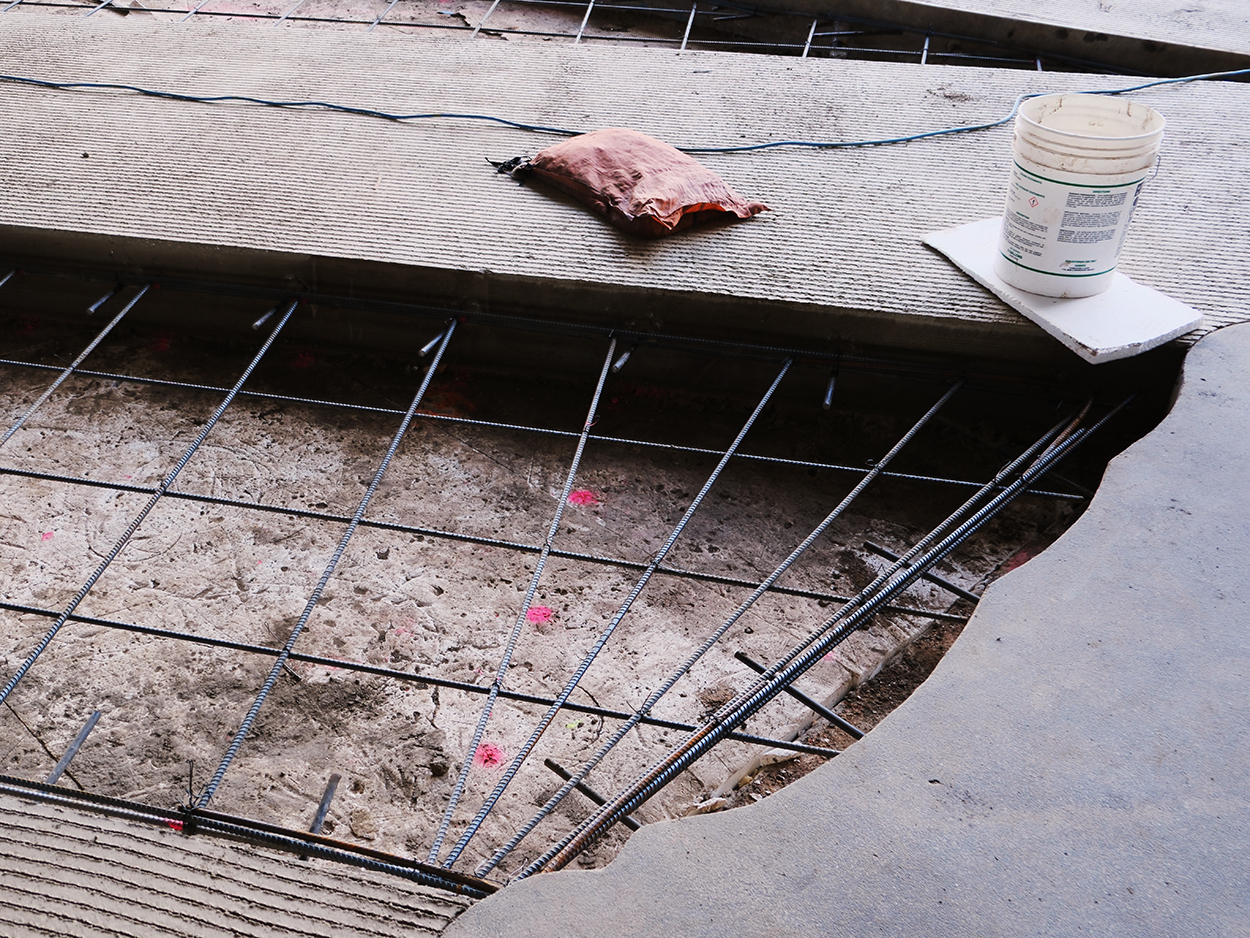
Work in progress of Feathered Changes, 2024
Metal reinforcement for concrete casting
LACMA, Los Angeles, USA
Feathered Changes, 2024
Outdoor permanent floorpiece
Low-relief drawings on concrete surface with black aggregates
LACMA, Los Angeles, USA
Feathered Changes, 2024
Outdoor permanent floorpiece
Low-relief drawings on concrete surface with black aggregates
LACMA, Los Angeles, USA
Feathered Changes, 2024
Outdoor permanent floorpiece
Low-relief drawings on concrete surface with black aggregates
Raked concrete surface with animal paws low-reliefs
LACMA, Los Angeles, USA
Feathered Changes, 2024
Outdoor permanent floorpiece
Low-relief drawings on concrete surface with black aggregates
LACMA, Los Angeles, USA
Feathered Changes, 2024
Outdoor permanent floorpiece
Low-relief drawings on concrete surface with black aggregates
LACMA, Los Angeles, USA
Feathered Changes, 2024
Outdoor permanent floorpiece
Low-relief drawings on concrete surface with black aggregates
Raked concrete surface with animal paws low-reliefs
LACMA, Los Angeles, USA
Mariana Castillo Deball
Shot on the building site of Feathered Changes
LACMA, Los Angeles, USA
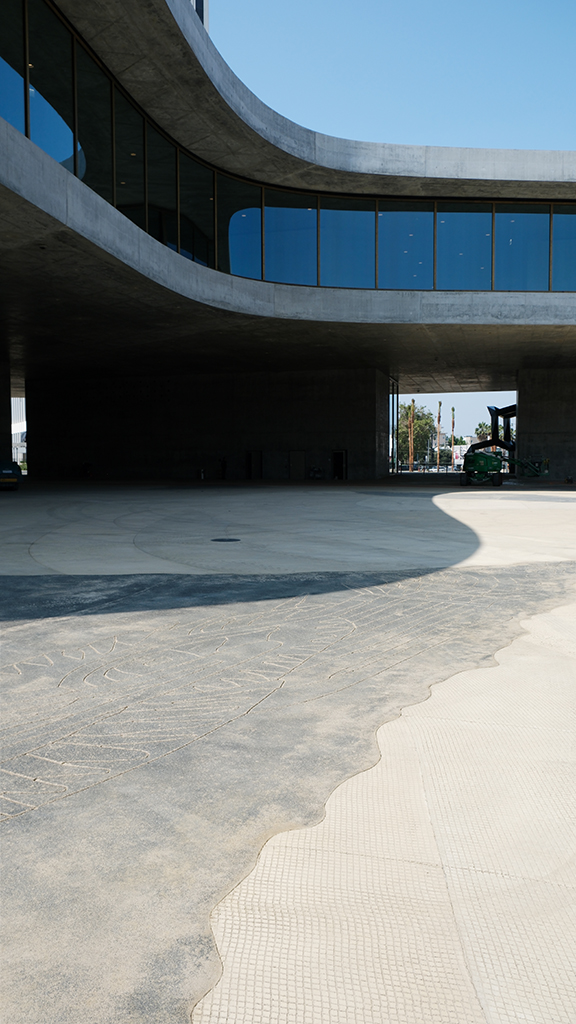
General view from Feathered Changes, 2024
Outdoor permanent floorpiece
Low-relief drawings on concrete surface with black aggregates
LACMA, Los Angeles, USA
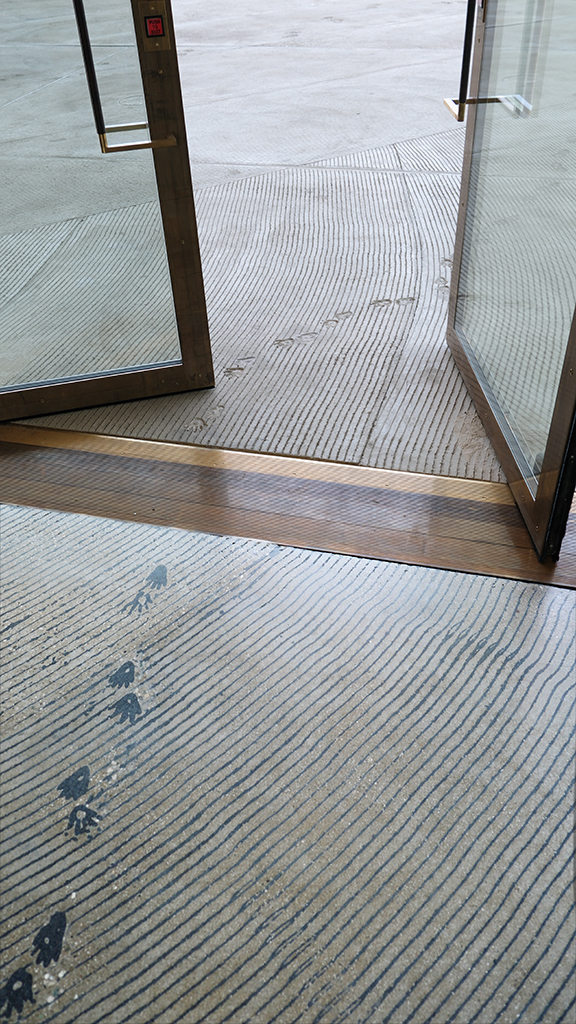
Feathered Changes, 2024
Outdoor permanent floorpiece
Low-relief drawings on concrete surface with black aggregates
Raked concrete surface with animal paws low-reliefs
LACMA, Los Angeles, USA
Four Pleated Landscapes: Fossil Ground, Woven Cienega, Medicinal Flora, and Urban Desert Fauna
D Line Subway Extension
Artwork for the Concourse Area Wilshire/La Cienega Station
LA Metro, Metro Art. Los Angeles, California, 2026
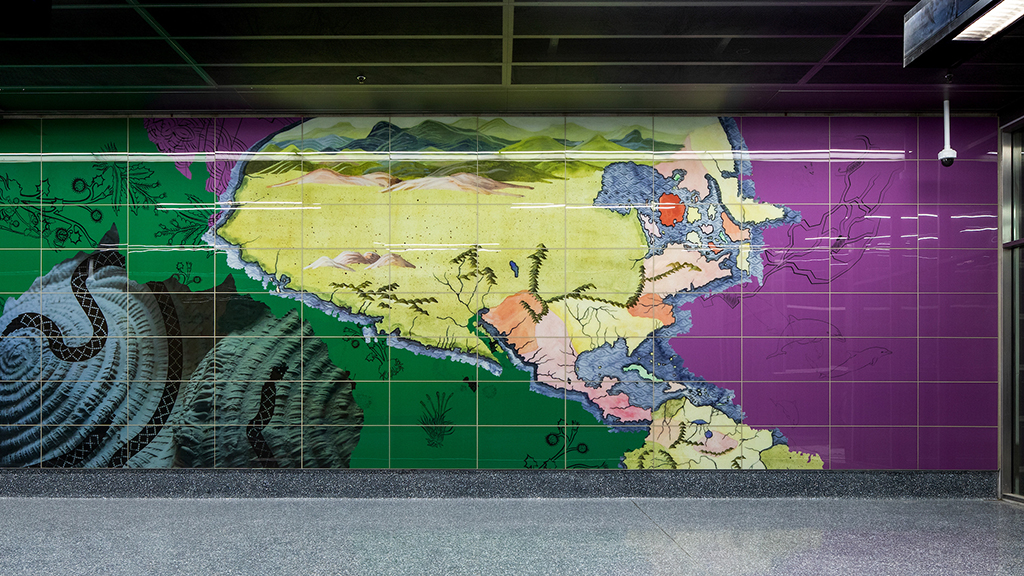
Four Pleated Landscaapes: Fossil Ground, Woven Cienega, Medicinal Flora, and Urban Desert Fauna. D Line Subway Extension. Artwork for the Concourse Area Wilshire / La Cienega Station. Los Angeles, California, 2026
Photo: © LA Metro, Metro Art.
Inspired by historical maps and the region’s terrain, the artwork consists of four “landscapes.” Fossil Ground includes ink rubbings of fossils excavated during the station construction. Woven Cienega depicts a plaster interpretation of the historic Rancho La Cienega topography with the imprint of basket patterns and snake imagery, referencing indigenous traditions. Medicinal Flora depicts drawings of medicinal plants, while Urban Desert Fauna is an abstraction of water and includes drawings of native animals. History, memory, and imagination merge, inviting viewers to explore the ecological and cultural landscapes woven into the ground beneath their feet.
Mariana Castillo Deball held a fossil rubbing workshop at Dino Fest–an annual event at the Natural History Museum that celebrates dinosaurs, their prehistoric past, and the science that brings their world back to life. Attendees had the opportunity to meet the artist, learn more about her artwork commission, see some of the fossils that were excavated during construction, and create their very own fossil rubbing similar in style to the rubbings that appear in Castillo Deball’s artwork design.
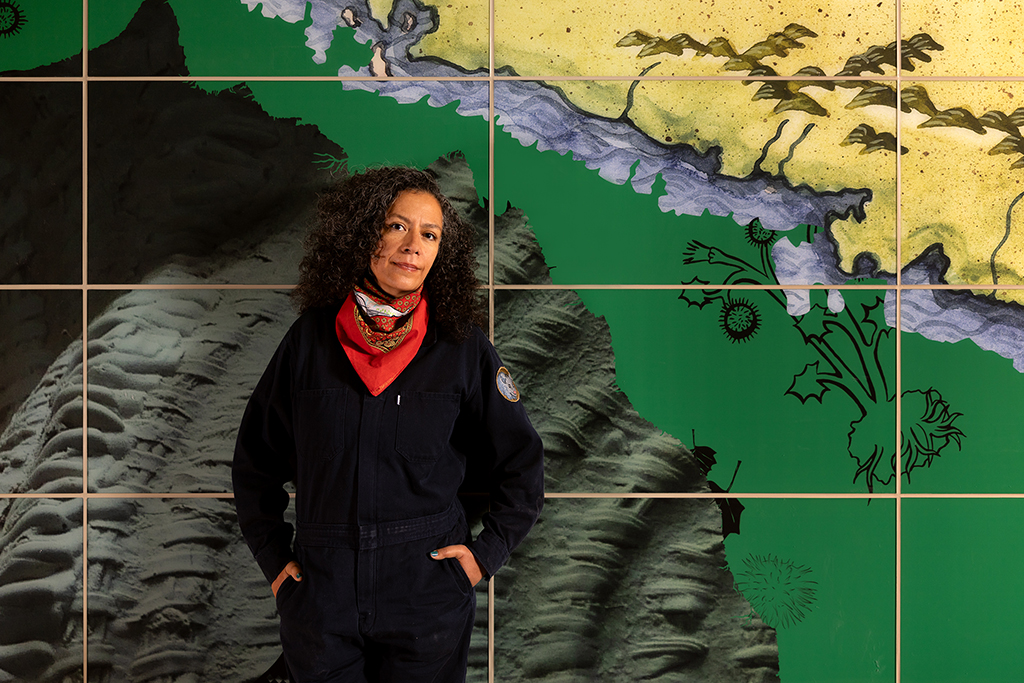
Four Pleated Landscaapes: Fossil Ground, Woven Cienega, Medicinal Flora, and Urban Desert Fauna. D Line Subway Extension. Artwork for the Concourse Area Wilshire / La Cienega Station. Los Angeles, California, 2026
Photo: © LA Metro, Metro Art.
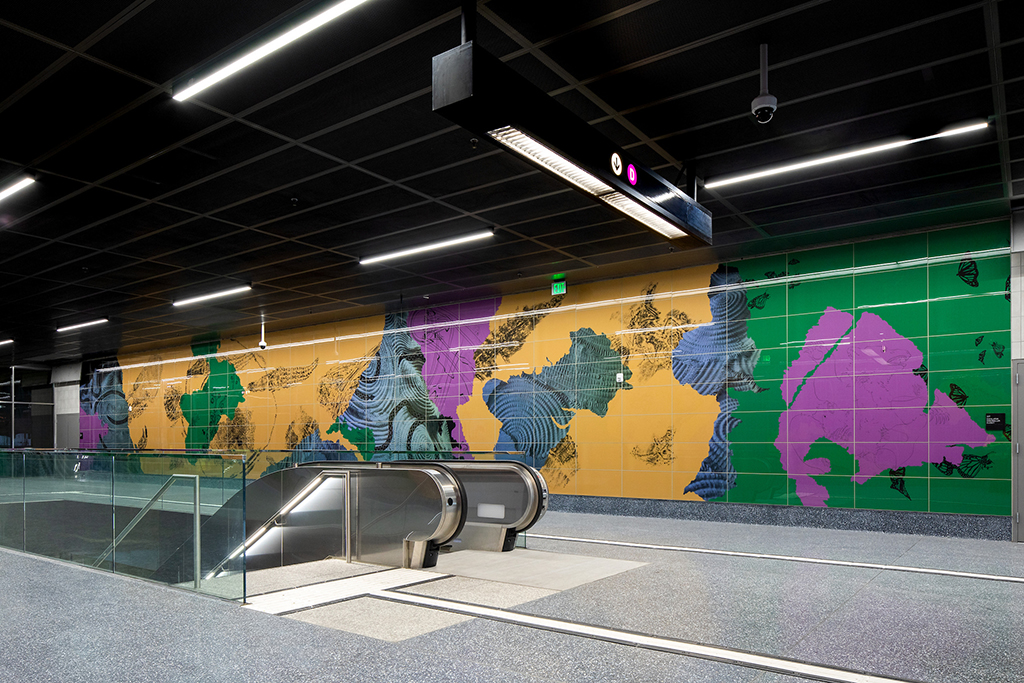
Four Pleated Landscaapes: Fossil Ground, Woven Cienega, Medicinal Flora, and Urban Desert Fauna. D Line Subway Extension. Artwork for the Concourse Area Wilshire / La Cienega Station. Los Angeles, California, 2026
Photo: © LA Metro, Metro Art.
Proposal for a Public Artwork in Mechelen
Guido Gezelle Bridge (Winketbrug), Mechelen
22.10.2025
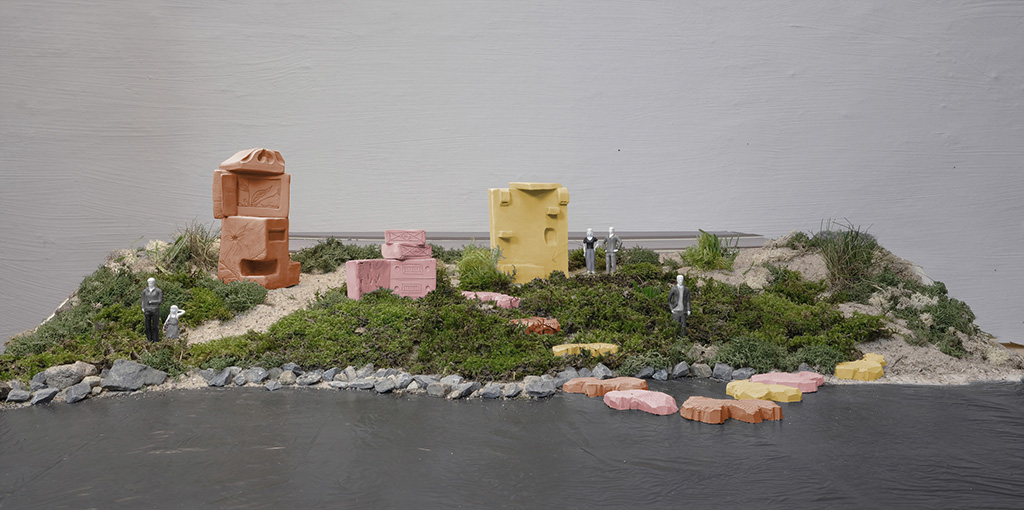
Proposal for a Public Artwork at the Guido Gezelle bridge (Winketbrug), Mechelen, 2025. Model View.
© studio castillo deball
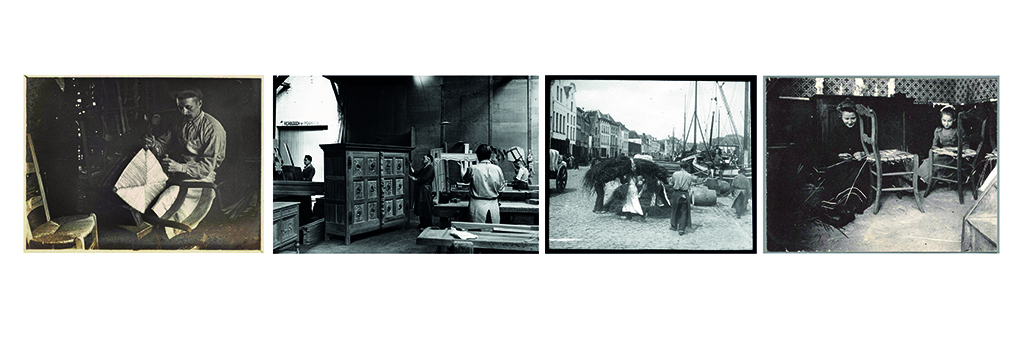
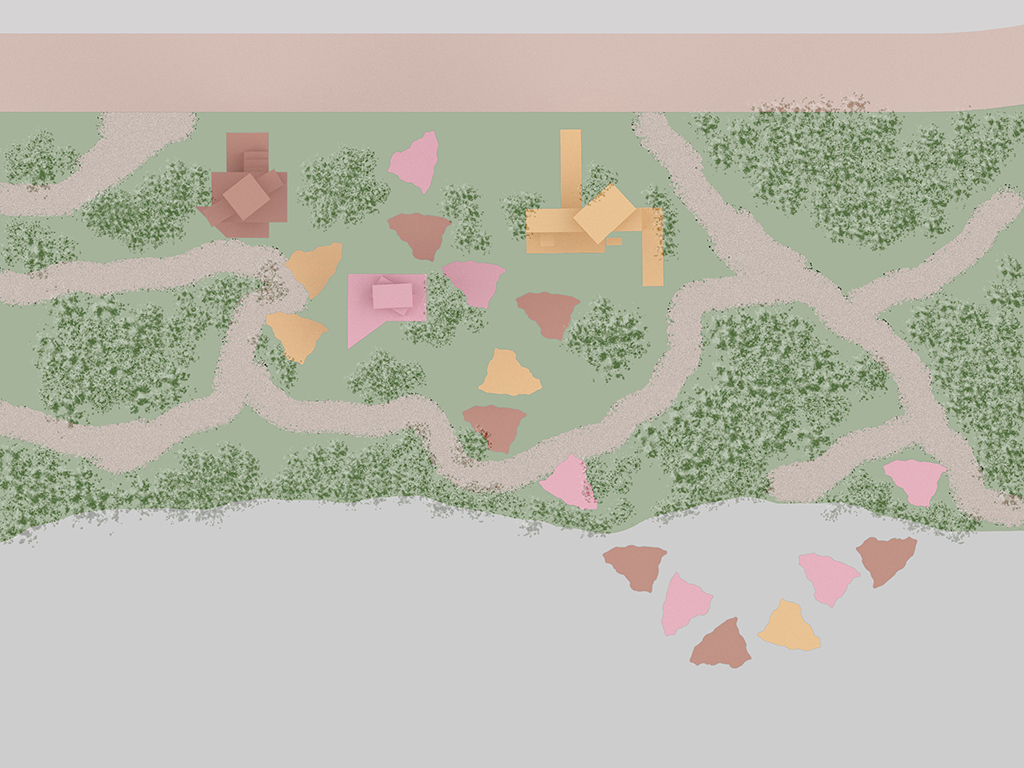
Proposal for a Public Artwork at the Guido Gezelle bridge (Winketbrug). Mechelen, 2025. References.
© studio castillo deball
Concept
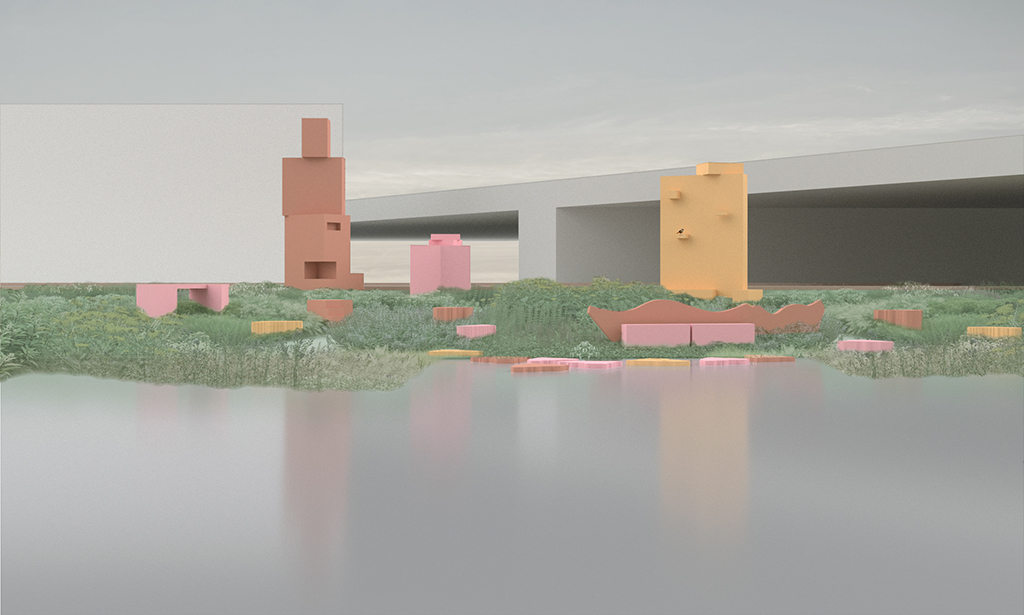
The proposal entails a series of concrete sculptural / utilitarian volumes with different embossing textures and reliefs, together with a constellation of stepping stones.
An interesting aspect of the intersection of the private and the public space in the area relates to the history of furniture manufacturing in Mechelen, and the role that woman had on weaving chairs outside of their houses in the neighbourhood. Some archival material shows how these chairs, belonging to the domestic realm, occupied the streets, as the women sat outdoors in groups to weave together.
The weaving material was reed, which until the 19th century was part of the low-lying marshland. Afterwards these canals were covered and the natural riverbank landscape disappeared as well. The overall project hopes to reintroduce the natural banks, bringing back a piece of ecological history, including fish, insects and small animals.
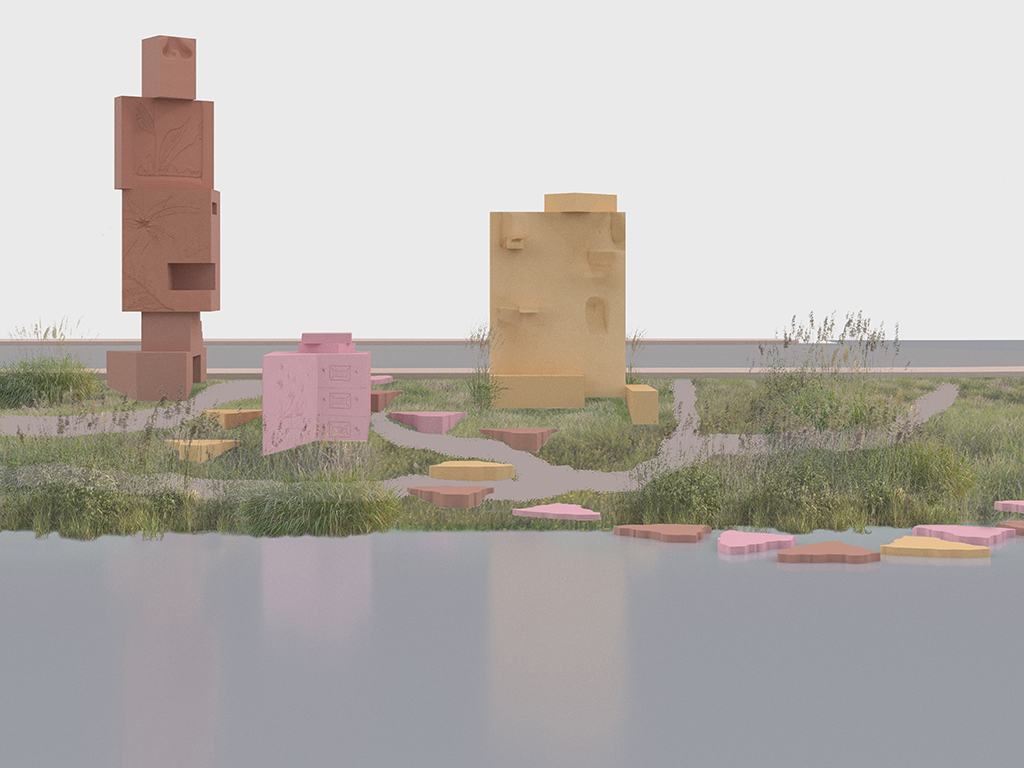
Proposal for a Public Artwork at the Guido Gezelle bridge (Winketbrug), Mechelen, 2025. Render View.
© studio castillo deball
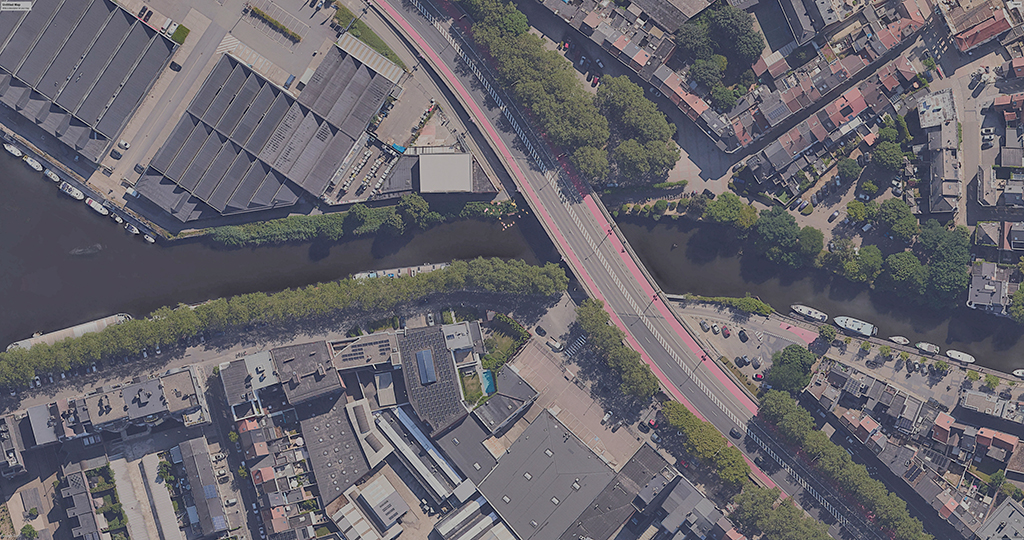
Proposal for a Public Artwork at the Guido Gezelle bridge (Winketbrug), Mechelen, 2025. Zenit Location View.
© studio castillo deball
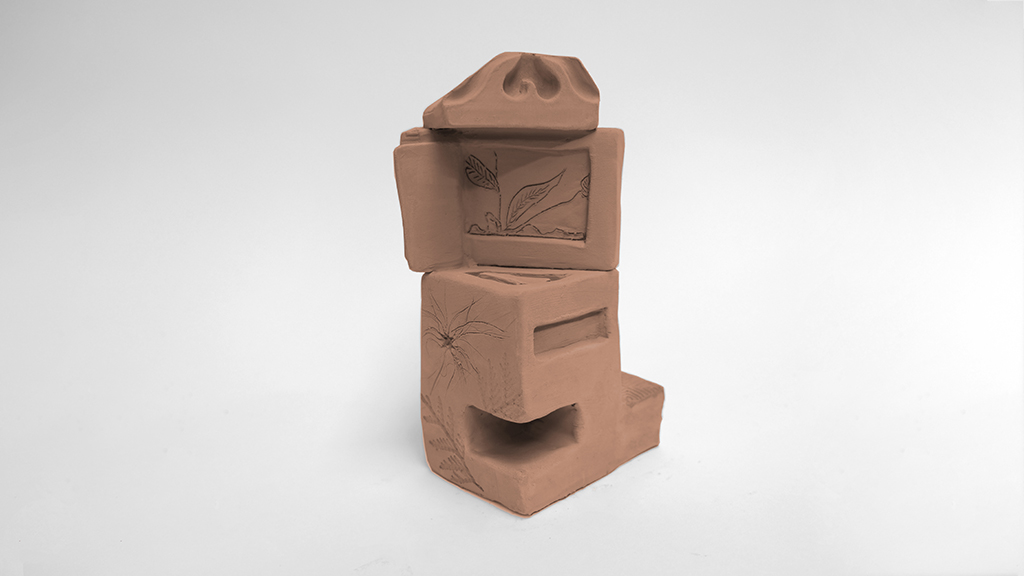
Proposal for a Public Artwork at the Guido Gezelle bridge (Winketbrug), Mechelen, 2025. Prototype.
© studio castillo deball
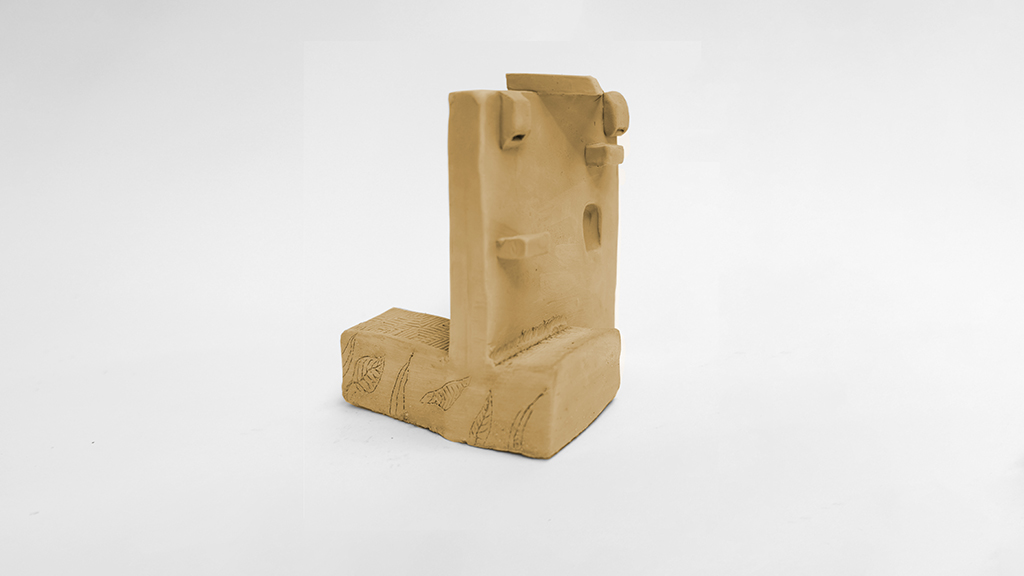
Proposal for a Public Artwork at the Guido Gezelle bridge (Winketbrug), Mechelen, 2025. Prototype.
© studio castillo deball
Technical Project Description
The installation consists of prefabricated reinforced concrete elements integrated into public space. Each piece features bas-relief surfaces inspired by local flora and fauna as well as Mechelen’s furniture-making heritage, using impressions from cabinet details, woven chairs, plants, and animal tracks. Pigmented concrete helps the work blend with its surroundings.
Conceived as both artwork and living system, the project is designed to evolve over time, supporting biodiversity through features like cavities and textured areas that can serve as habitats for small animals. Developed in collaboration with ecological specialists, it emphasizes a connection between culture, nature, and everyday life.
The system is also expandable, allowing future additions along the river, while site preparation and engineering are expected to be handled by local partners.
Proposal for a Public Artwork at the Guido Gezelle bridge (Winketbrug), Mechelen, 2025. Render View.
© studio castillo deball
Proposal for a Public Artwork in Amstelveen
Compass Rose up to the stars
03.12.2025
Proposal for a Public Artwork in Amstelveen Render view onsite, Amstelveen, Netherlands, 2025.
© studio castillo deball
Concept
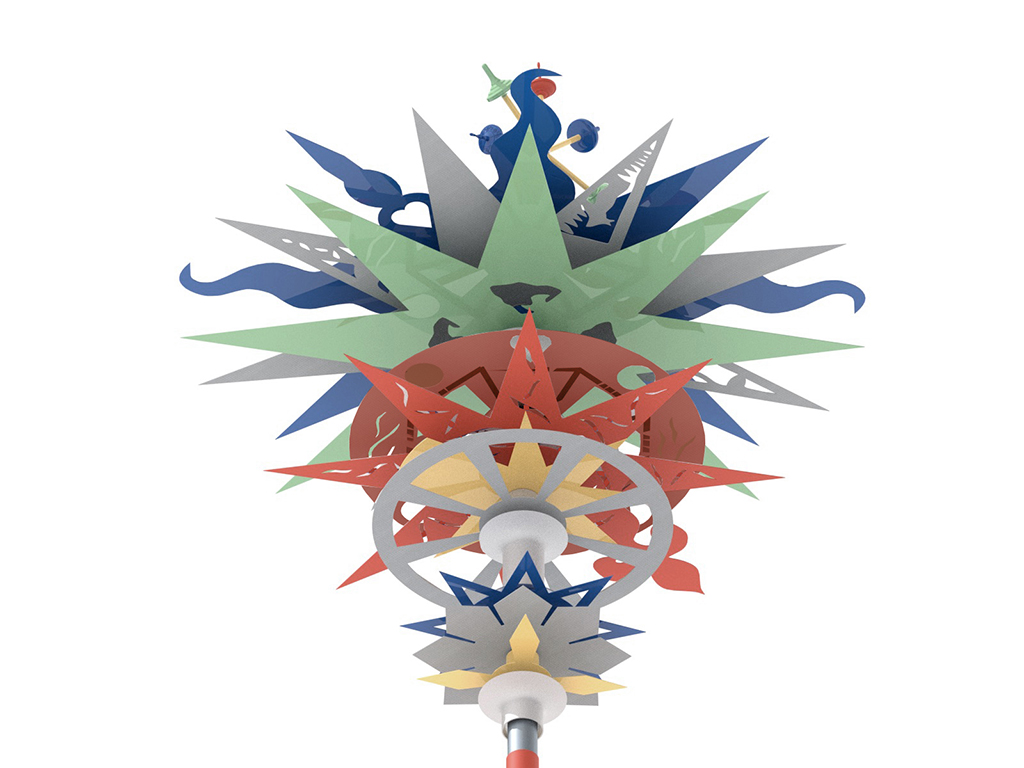
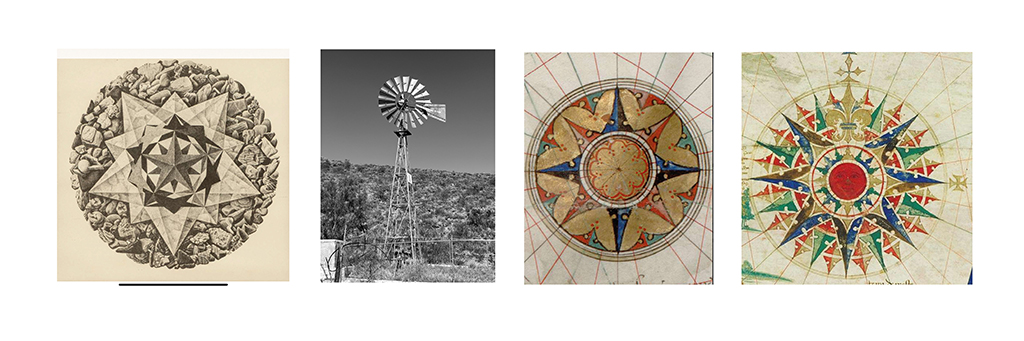
The compass rose is as a navigational symbol that let us know where we are and how the wind is blowing, a star pointing to the cardinal directions, it is used to define the wind currents and orientation in map making. Compass roses became elaborated ornamental designs in dutch maps since the XVI century, including colors, flowers, and unique elements depending on the part of the world being represented.
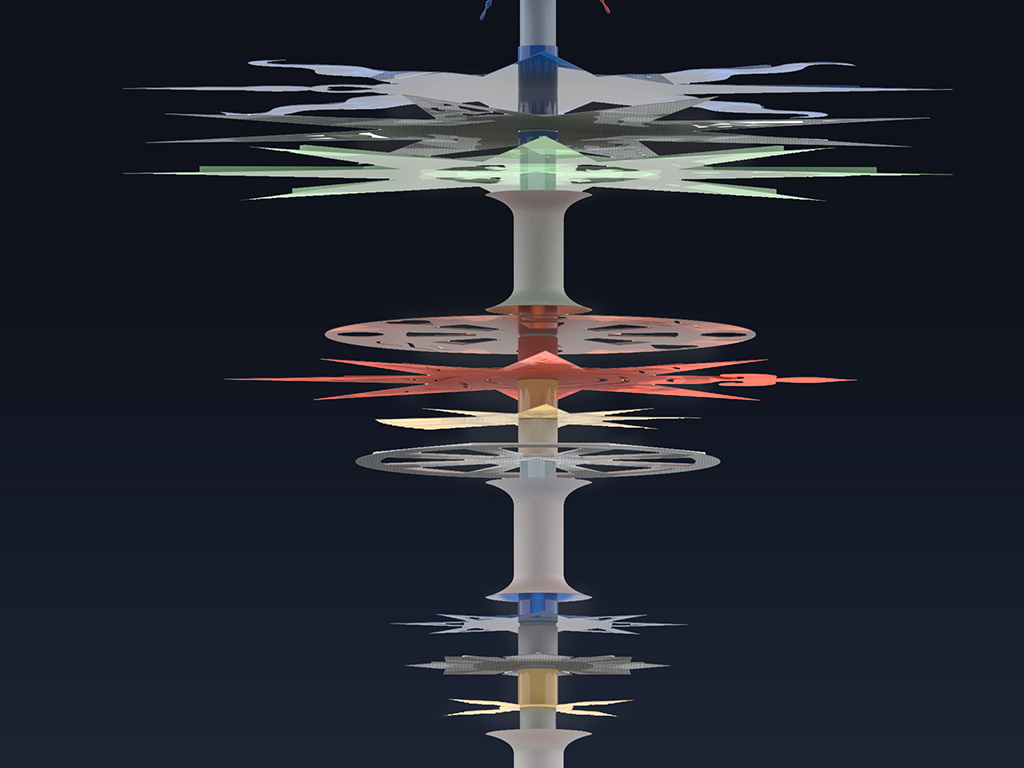
The proposal presents a compass rose extruded into different flat colored shapes, which overlap and let the design being contemplated from different angles.
The sculpture plays with the idea of spinning, making a reference to dutch windmills and toys that involve an object rotating. This playful element appears on the top of the artwork, presenting an helix with six extensions, each one with a playful object at the end. An important element in the sculpture is lighting, which is integrated into the artwork, illuminating the different colorful elements and creating and interesting shadow play.
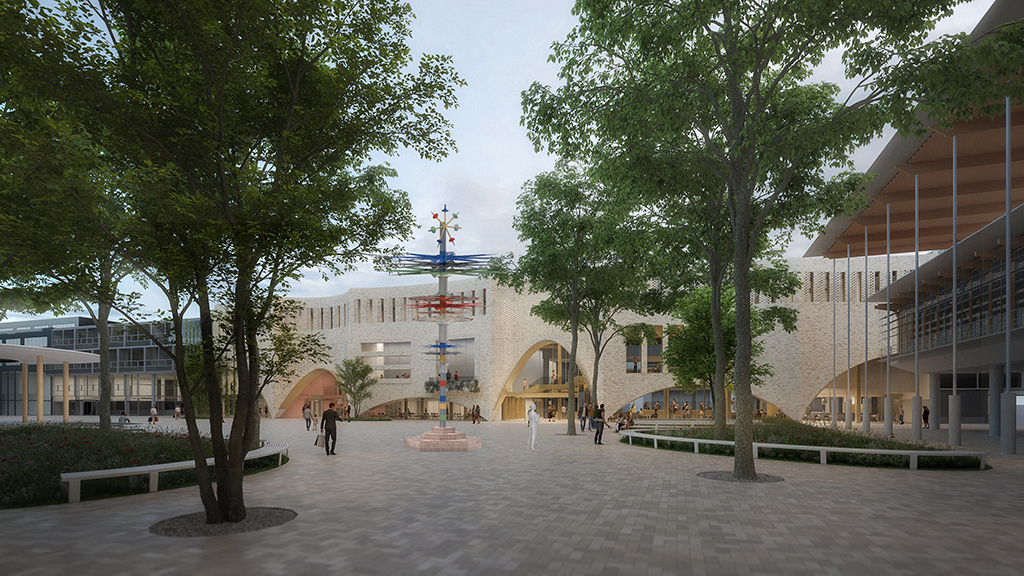
The Stadsplein in Amstelveen would welcome a playful artwork, that speaks to people from different generations and backgrounds. An artwork that tells a story about the local context, but also refers to a wider geography and the place we occupy as humans in the world. The work aims to establish an immediate connection with the community, referencing Amstelveen’s historical ties to trade, water, and cultural identity. Its colors and lighting enrich the quality of the public space, providing visual landmarks during events and markets, while also promoting safety, cohesion, and a sense of place.
Proposal for a Public Artwork in Amstelveen
References, 2025.
© studio castillo deball
Proposal for a Public Artwork in Amstelveen Render Lighting System – Night View, Amstelveen, Netherlands, 2025.
© studio castillo deball
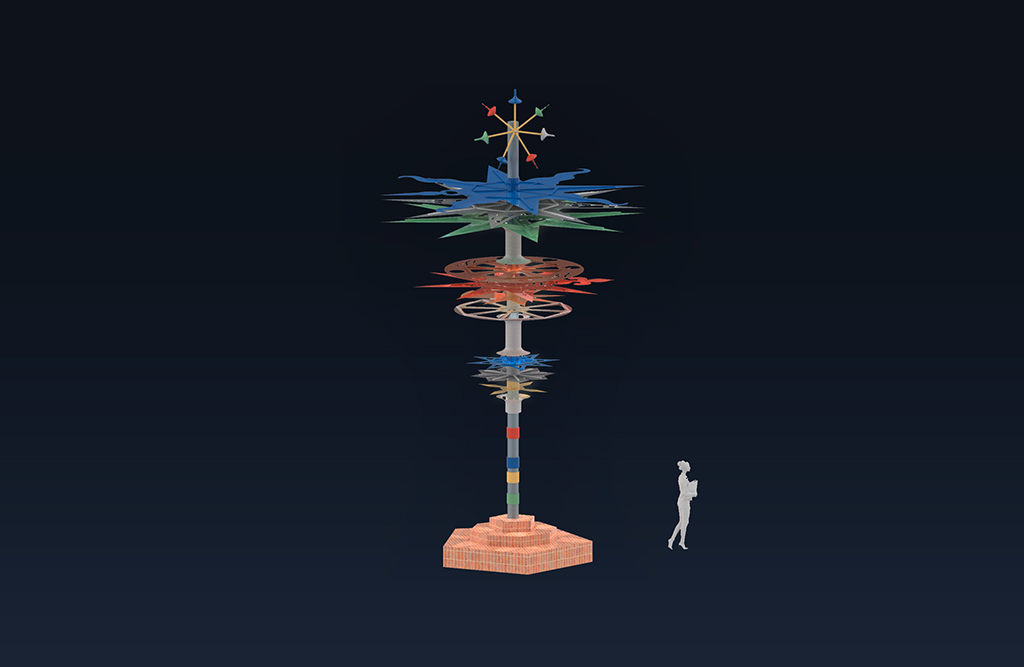
Proposal for a Public Artwork in Amstelveen Render Lighting System – Night View, Amstelveen, Netherlands, 2025.
© studio castillo deball
Lighting System – Night View
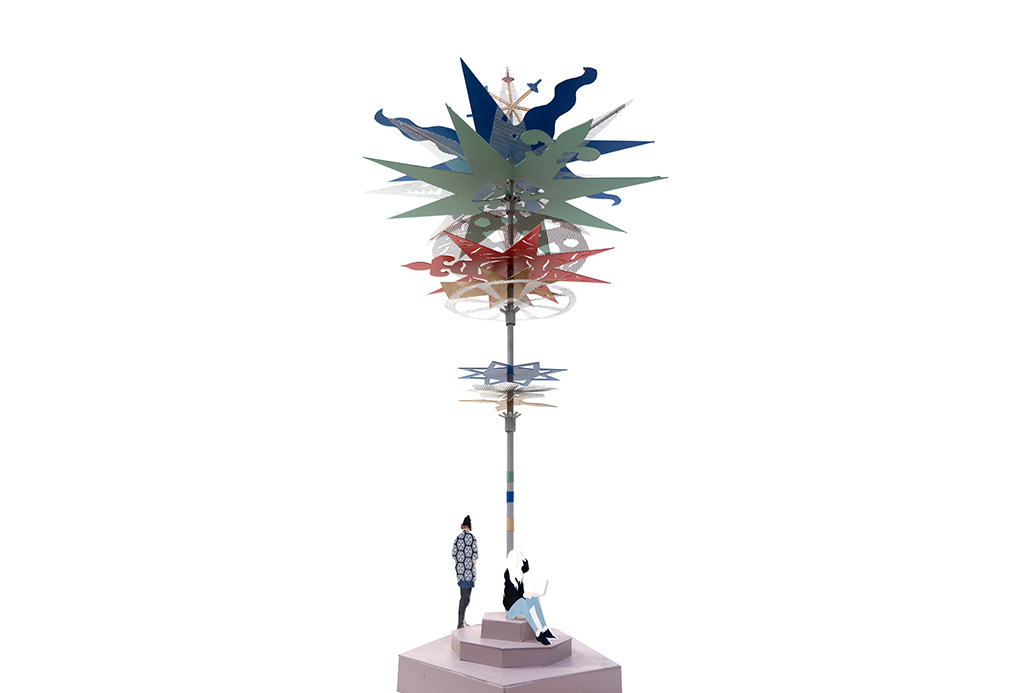
Proposal for a Public Artwork in Amstelveen Model view, Amstelveen, Netherlands, 2025.
Photo: Wilke Geurds
Courtesy the artist © studio castillo deball
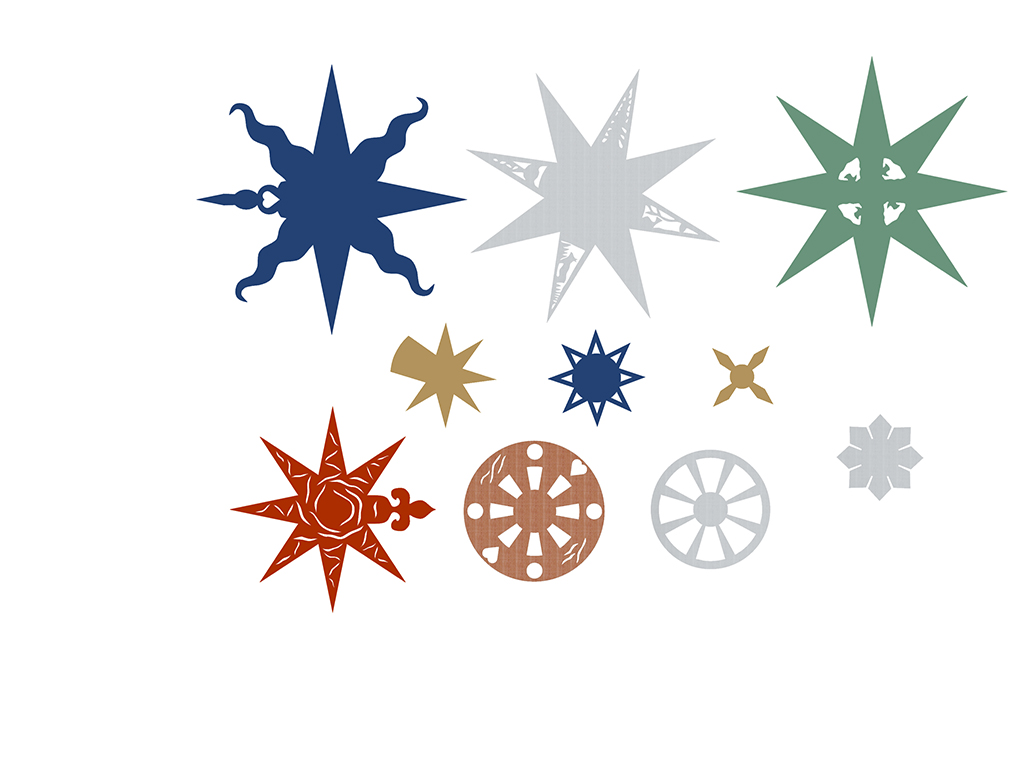
Proposal for a Public Artwork in Amstelveen Render view, Amstelveen, Netherlands, 2025.
© studio castillo deball
Death, I am Still Paper
Organized by Tangente St. Pölten, Austria,
Curated by Joana Warza, and Lorena Moreno Vera
August 3 – November 11, 2024
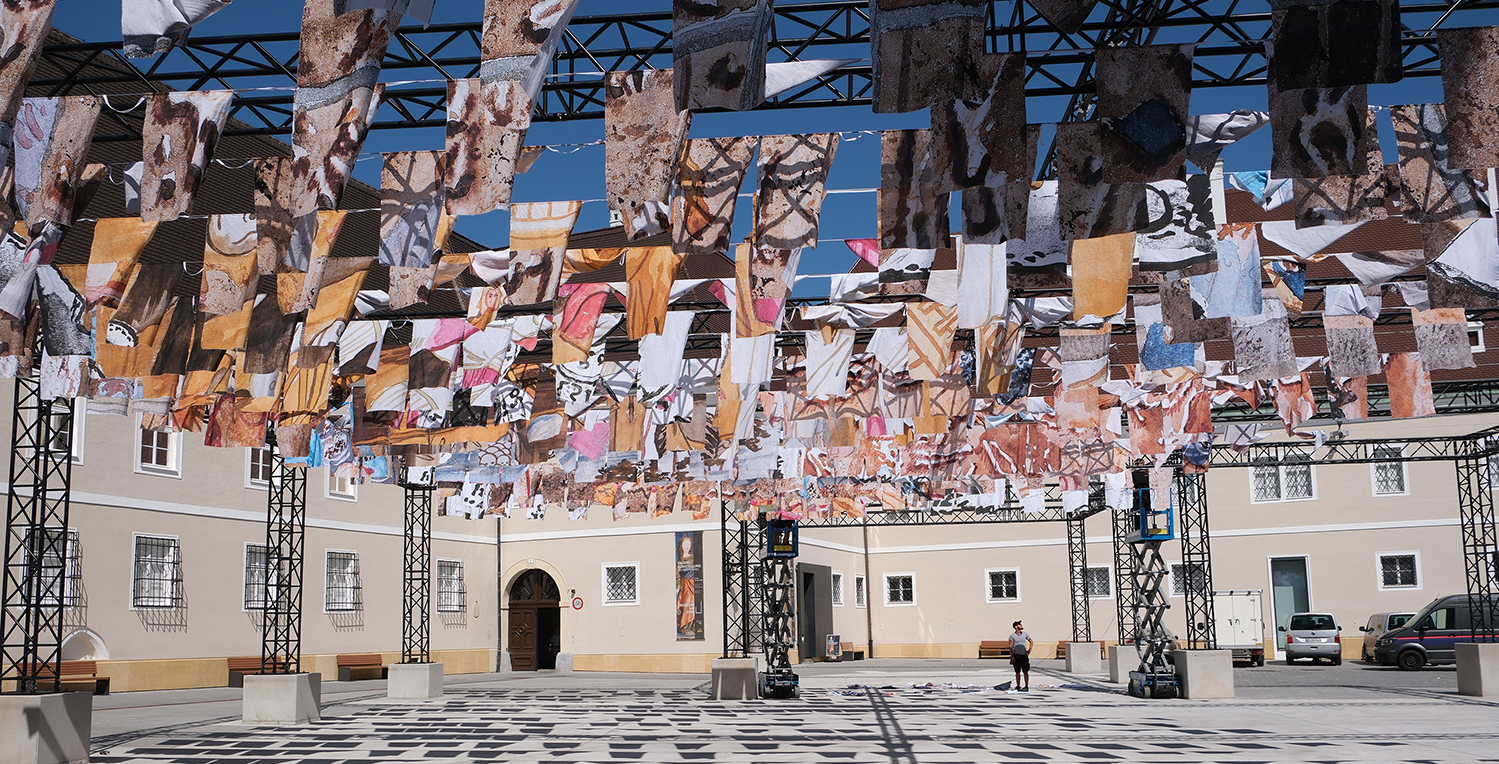
Installation view of “Death, I am Still Paper”
Organized by Tangente St. Pölten, Austria, August 3 – November 11, 2024
Curators Joana Warza, and Lorena Moreno Vera
Photograph courtesy of Studio Castillo Deball © David Reiber Otálora
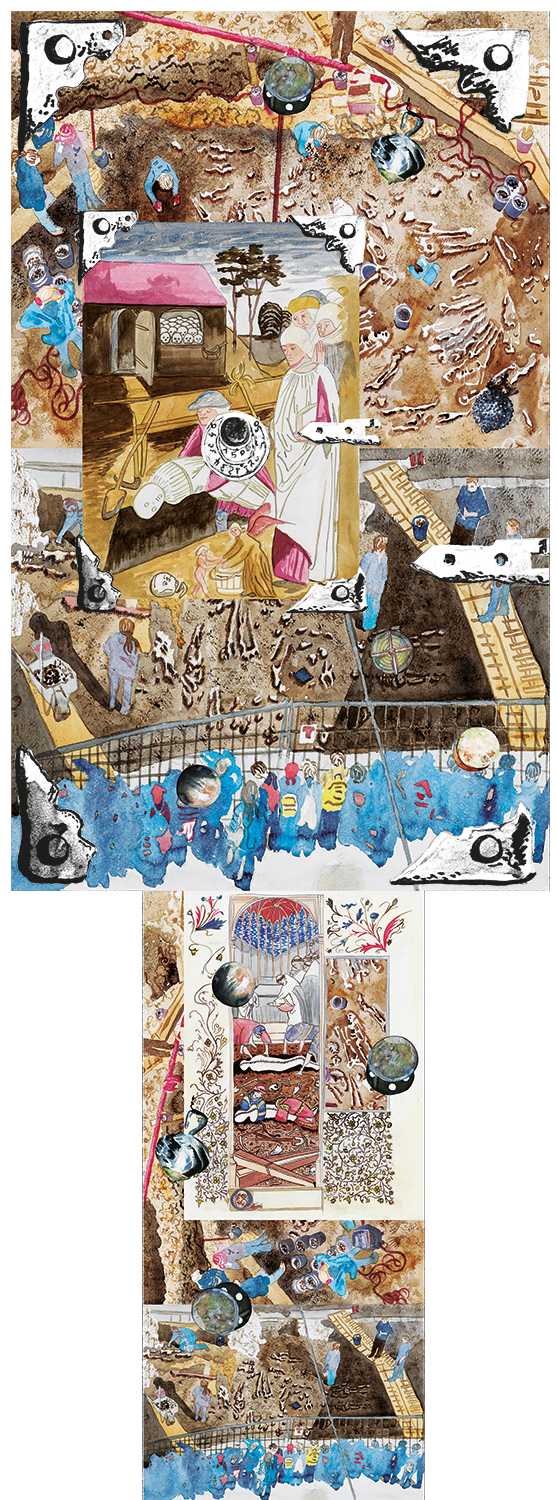
Installation view of “Death, I am Still Paper”
Organized by Tangente St. Pölten, Austria, August 3 – November 11, 2024
Curators Joana Warza, and Lorena Moreno Vera
From 2010 to 2019, St. Pölten Cathedral Square was an archaeological excavation site. During the excavations, not only were Roman and medieval buildings, but also the mortal remains of around 22,000 people were discovered who were buried in a cemetery at this site which was used from the 9th century until 1779. Mariana Castillo Deball's site-specific installation "Dead, I am Still Paper" explores the memory and materiality of the site through the history of paper production. Inspired by objects found among the bodies, the installation reflects on the ephemeral nature of materials such as fabric and paper. Deball links this theme to Goran Petrovic's novel "Paper with Watermarks" („Papir sa vodenim znakom“), which tells of the process of the "democratisation" of paper through the use of rags for its production and the history of the same material as a metaphor for vanity and transformation.
In the 14th century, European workshops began turning old clothes into paper, making it far more accessible than the parchment used previously. Rag collectors played an important role in sourcing materials, even extracting textiles from burial sites, sometimes leading to outbreaks of disease. Deball's work encourages viewers to think about the balance between preservation and decay and the stories that everyday objects tell about our identity and history. "Dead, I am Still Paper" awakens a deeper connection with the past and an awareness of the fragility of memory. And last but not least, it provides welcoming shade in a central location in the city.
Special thanks to curators Joana Warza, and Lorena Moreno Vera; to my studio team Silvia Scandola, David Reiber Otálora, Silvia Andrade and Macarena Cox; to the Tangente installation team, and to publishing house sexto piso, for publishing Papel con sello de Agua and letting me translate some fragments.
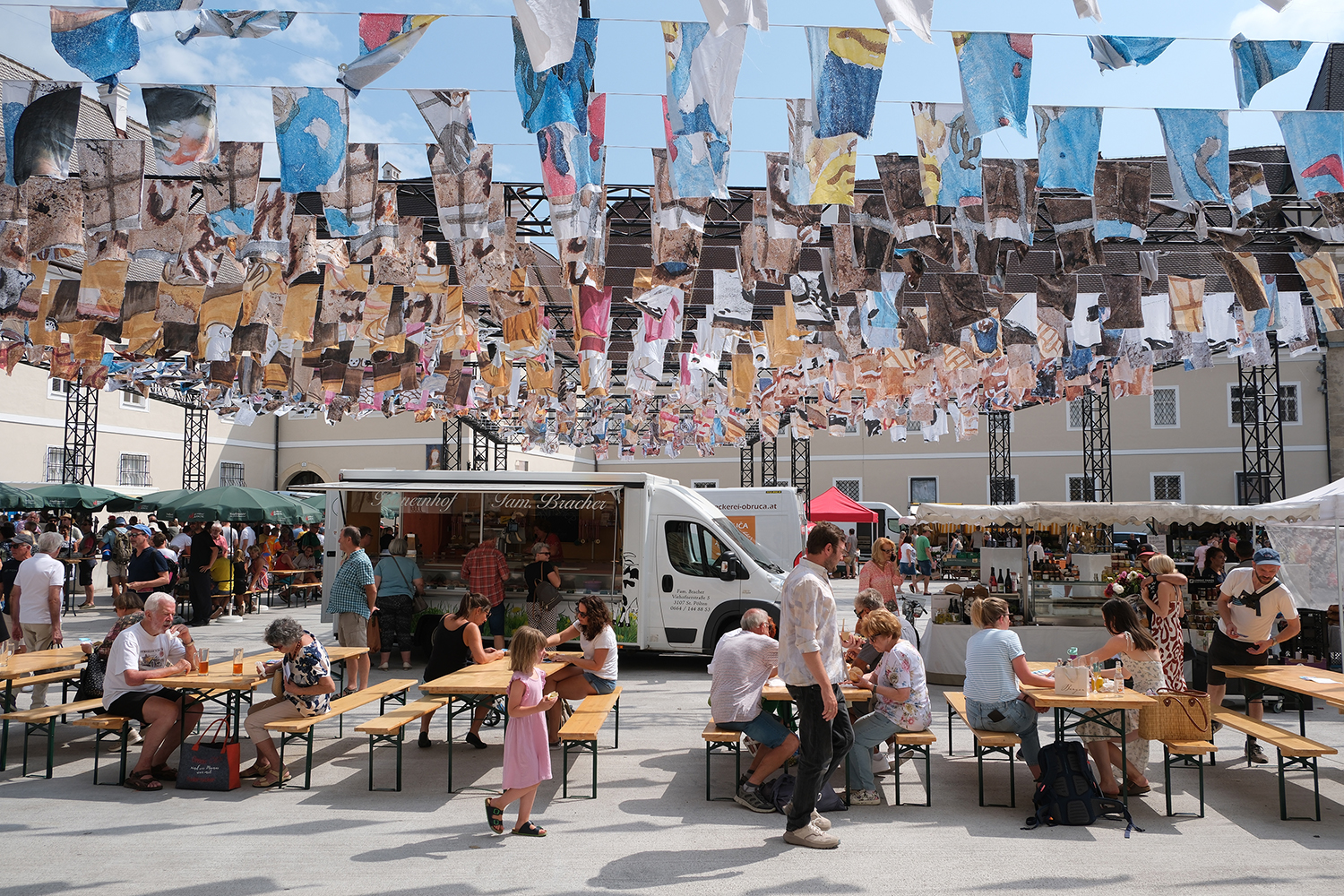
Installation view of “Death, I am Still Paper”
Organized by Tangente St. Pölten, Austria, August 3 – November 11, 2024
Curators Joana Warza, and Lorena Moreno Vera
Photograph courtesy of Studio Castillo Deball © David Reiber Otálora
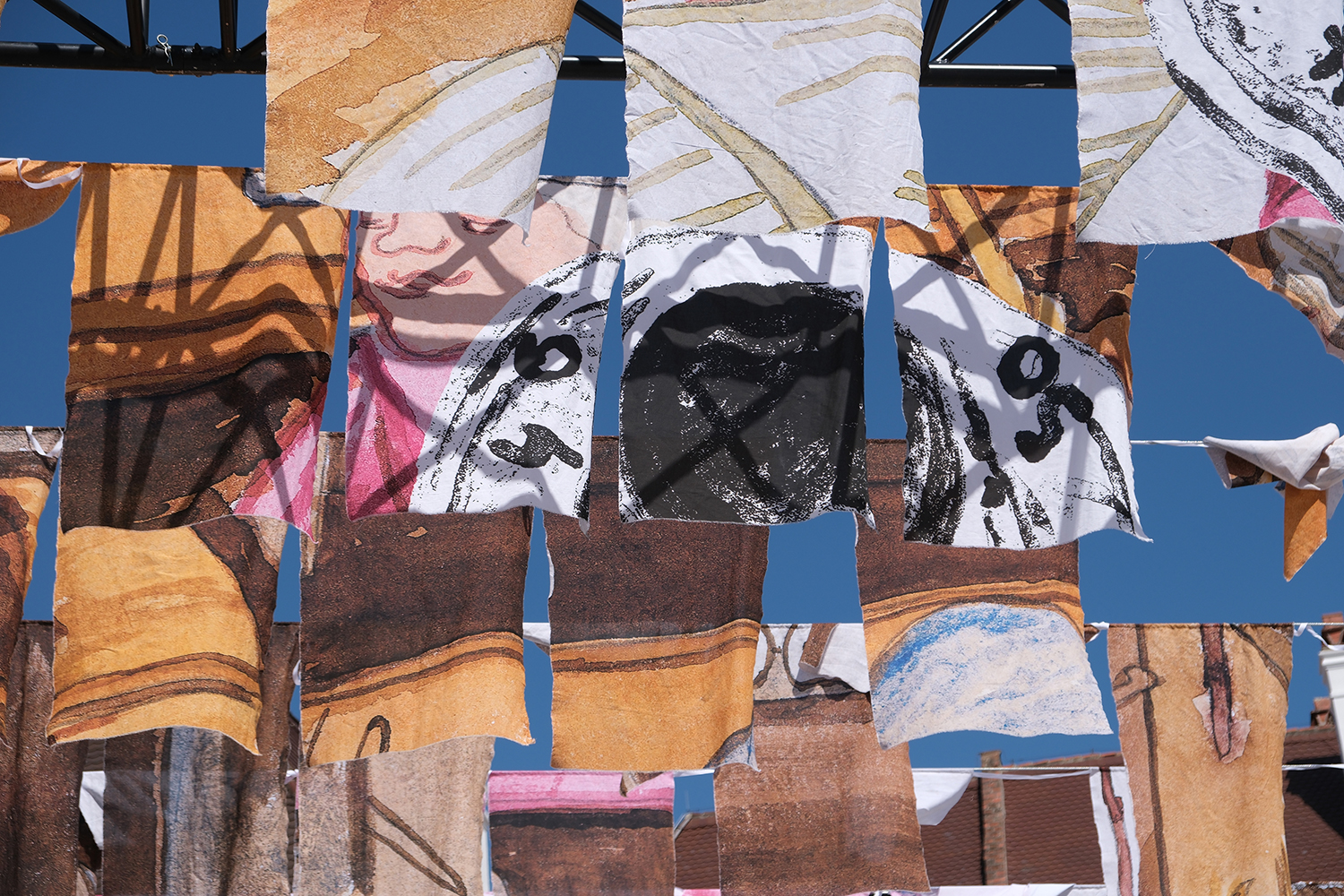
Installation view of “Death, I am Still Paper”
Organized by Tangente St. Pölten, Austria, August 3 – November 11, 2024
Curators Joana Warza, and Lorena Moreno Vera
Photograph courtesy of Studio Castillo Deball © David Reiber Otálora
Firesong for the bees, a tree of clay
Mariana Castillo Deball has created an architectural, sculptural installation that combines a colony of bees with the history of beehives, located at Professor Dr. J. Sebrechts Park in Brugge.
Brugge Triennial, Curated by Sevie Tsampalla and Shendy Gardin
April 13 - January 1, 2024
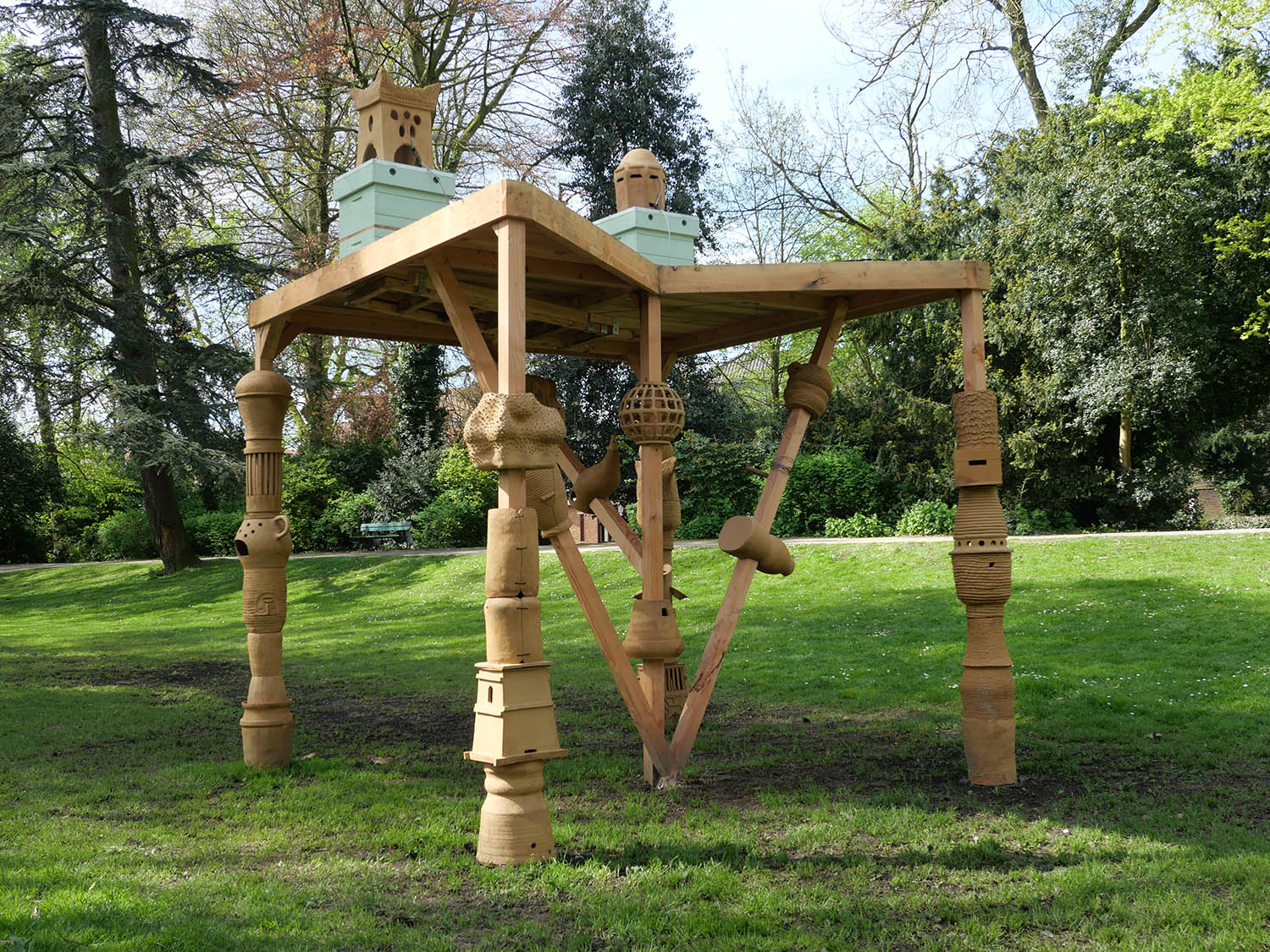
Firesong for the bees, a tree of clay, Sebrechtspark, Trienalle Brugge, Spaces of possibility, Belgium, 2024
Ceramic production Studio Castillo Deball: Silvia Andrade, David Reiber Otálora, Mariana Zarama.
Bee keepers: Biesous/ Margot Hinnekens and Uther Smis
Located in Sebrechtspark, a public park in the historical centre of Bruges, Firesong for the bees, a tree of clay is an architectural-sculptural installation that hosts a beehive. The legs of this playful structure resemble columns made out of several ceramics in various curious shapes, stacked on top of each other. The top wooden platform is home to a colony of bees. Margot and Uther, the two beekeepers entrusted with the care of the bees, come to work on the platform every week.
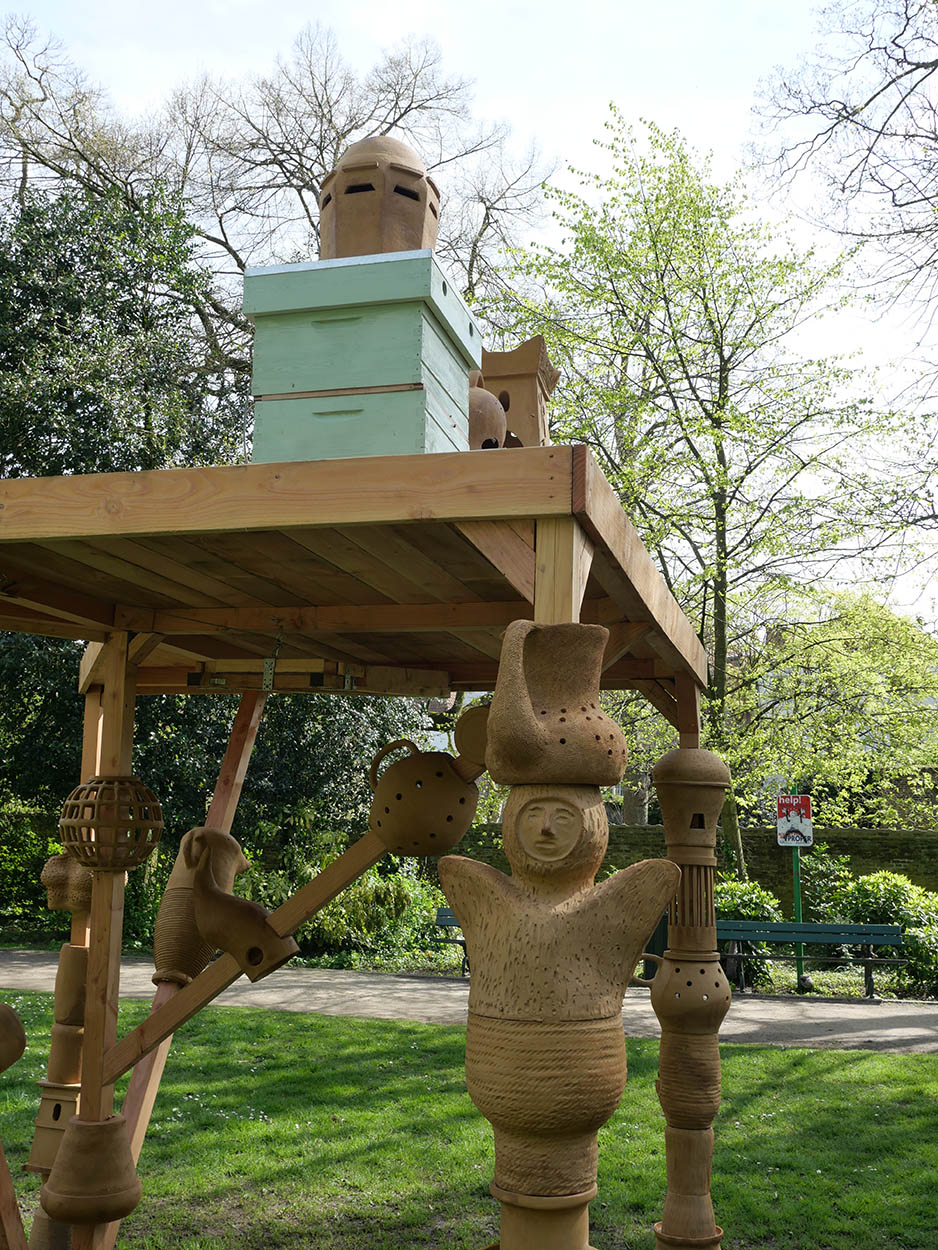
Firesong for the bees, a tree of clay, Sebrechtspark, Trienalle Brugge, Spaces of possibility, Belgium, 2024
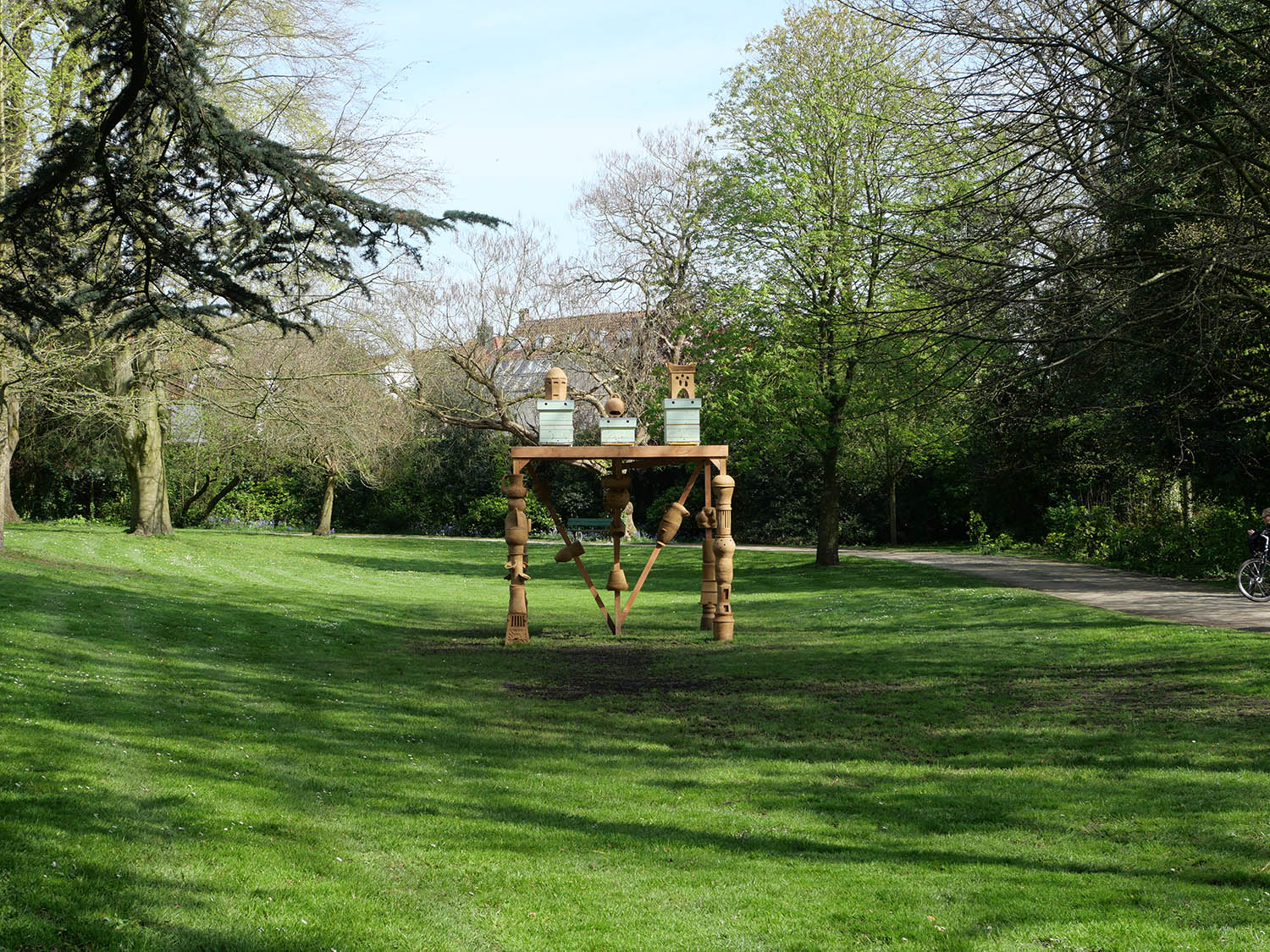
Firesong for the bees, a tree of clay, Sebrechtspark, Trienalle Brugge, Spaces of possibility, Belgium, 2024
The artwork is informed by the archaeology of beekeeping, that is, the ways in which humans have been relating to bees, developing methods and constructing structures to harvest honey. The ceramics draw on the artist’s research in apiculture traditions before the introduction of the wooden hive. Up until 1852, beehives were diverse in form and materials. Early examples made of straw, clay and fired ceramics were used in Africa, the Mediterranean region and the Middle-East, and are still used today in different parts of the Global South. In Belgium and Northern Europe beehives were usually baskets (skeps) made out of rye straw, sewn with reed, or wood - material that was readily available in the area. Often, they were decorated in idiosyncratic ways that reflected cultural beliefs or their owners personality. The introduction of the standardized wooden beehive meant a halt in this diversity spanning 4.000 years, albeit making honey harvesting easier, as a productive and profitable activity.
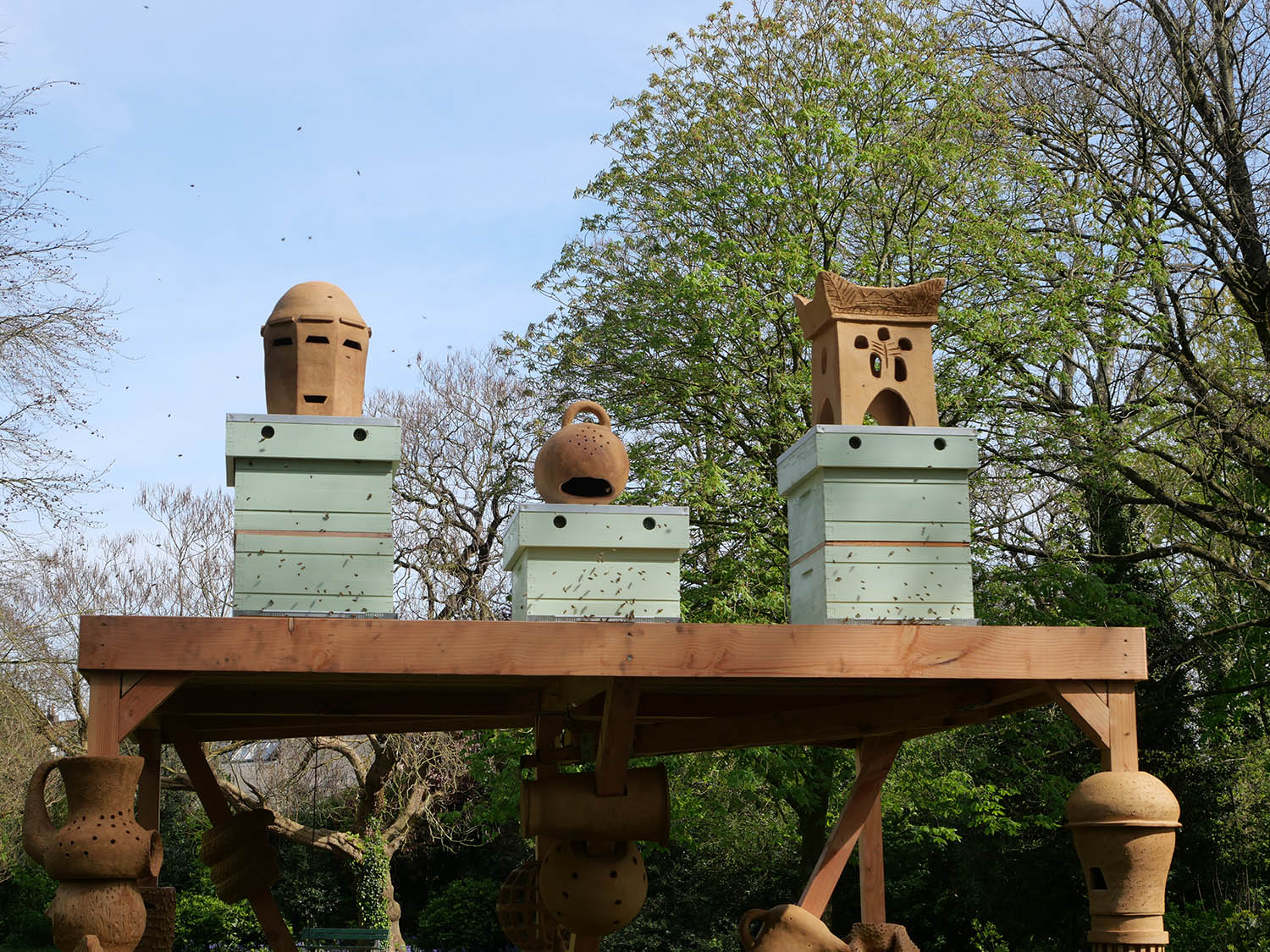
Firesong for the bees, a tree of clay, Sebrechtspark, Trienalle Brugge, Spaces of possibility, Belgium, 2024
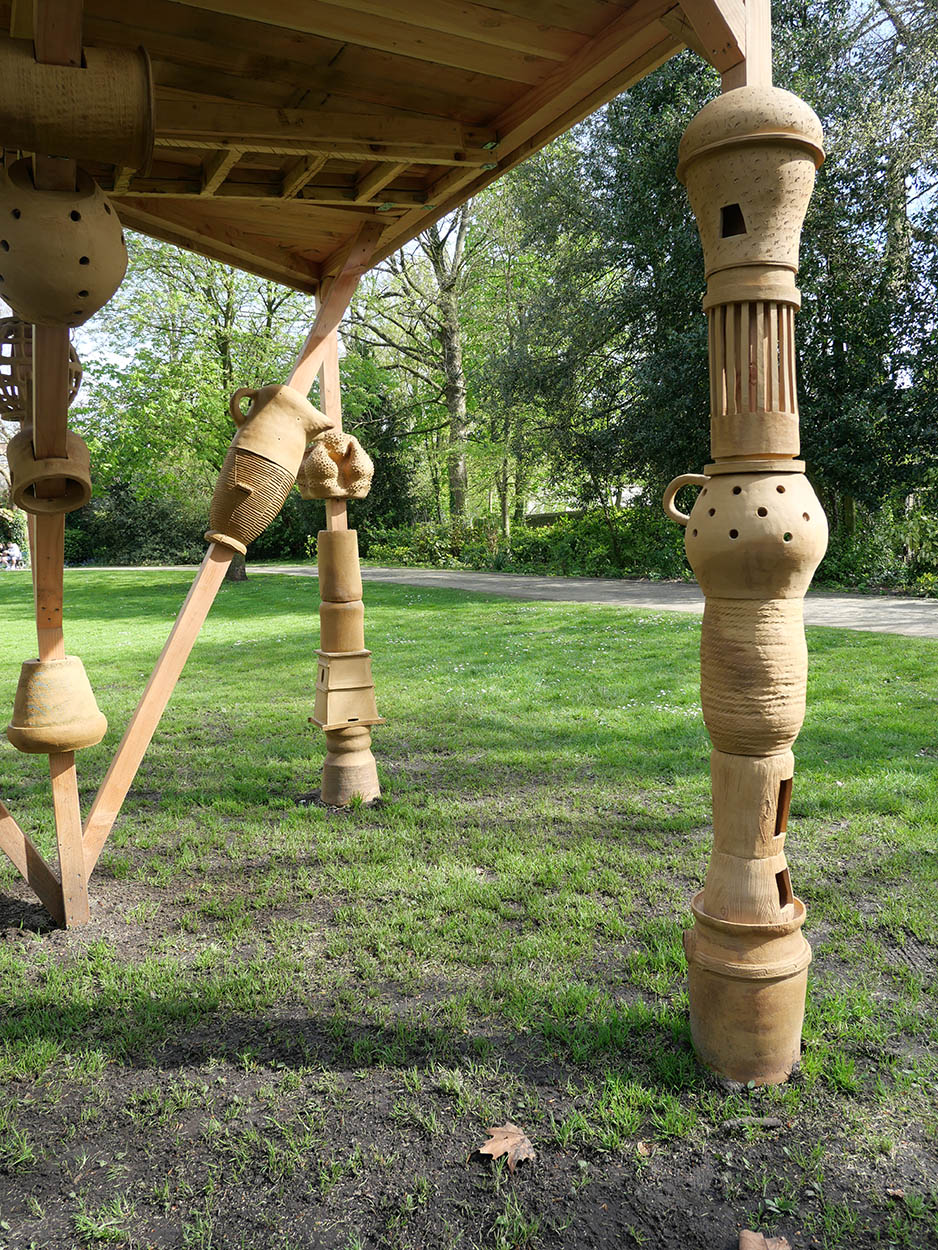
Firesong for the bees, a tree of clay, Sebrechtspark, Trienalle Brugge, Spaces of possibility, Belgium, 2024
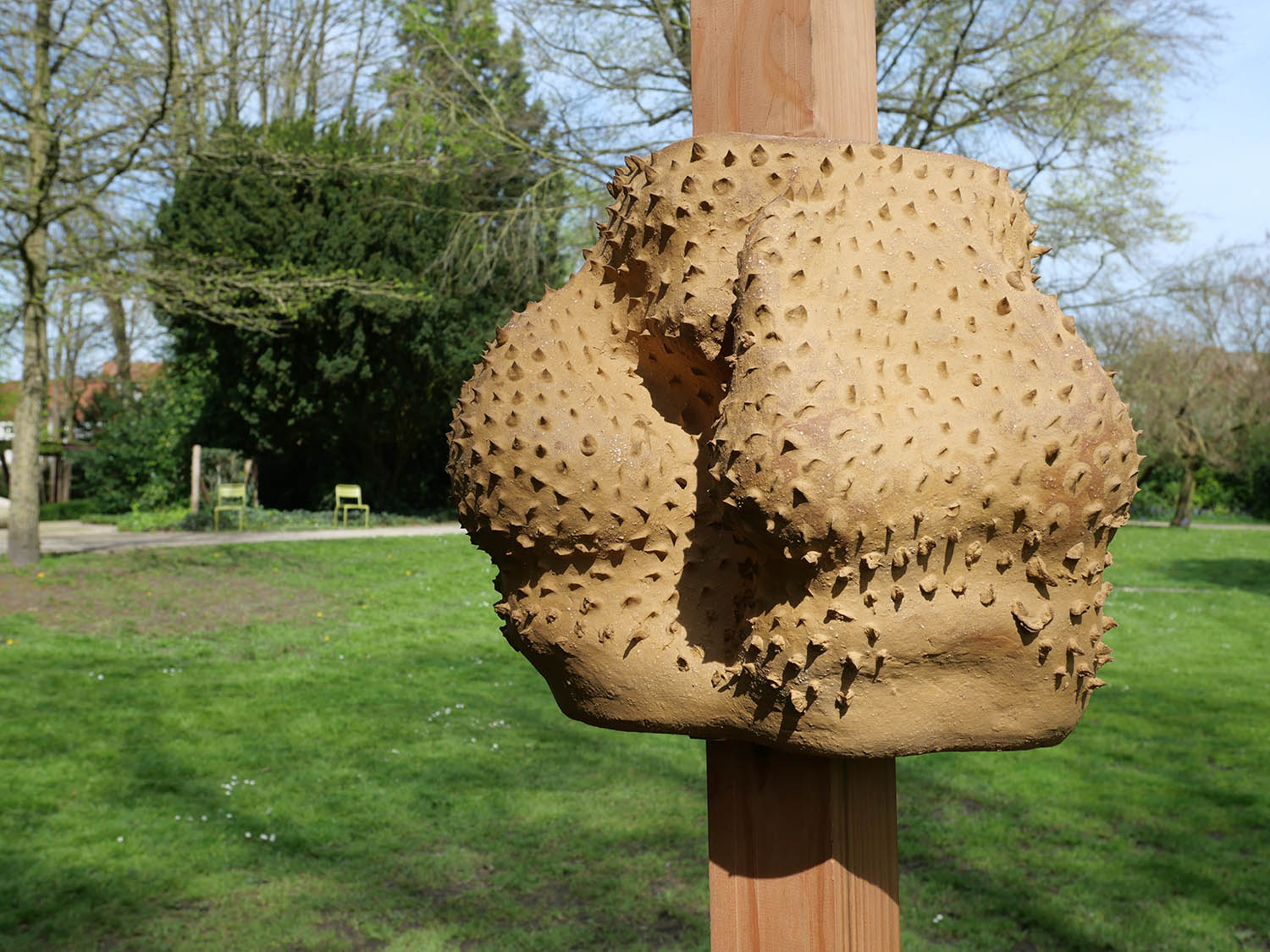
Firesong for the bees, a tree of clay, Sebrechtspark, Trienalle Brugge Spaces of possibility, Belgium, 2024
In bringing together a multiplicity of ceramic beehive shapes from various historical and geographical contexts, Firesong for the bees, a tree of clay acts as a kind of ‘repository’ that ‘re-pollinates’ the city with forgotten iconographies, technologies and architectures of apiculture, beyond the dominating modern paradigm. Between a display structure and a critical device, it invites to reflect on the human-non-human interdependencies and labour shaping the human-bees relationship to this day. Bees are the most important pollinators in the eco-system, but the ecological crisis is causing a significant decline in bee populations world-wide. The work asks us to think not only about artefacts becoming obsolete, but also about the extractive human-led processes that lead to species extinction. It is an invitation to sense and learn from the noises, smells and histories of the collective more-than-human intelligences that make the work.
In the bee-friendly city of Bruges, the artist collaborates with Biesous/ Margot Hinnekens and Uther Smis, an initiative of young bee keepers from the region, who care for the bees during the five months of Spaces of Possibility. The project is done with respect to the bees' wellbeing and the biodiversity in the park and the city. They will continue to take care of the bees after the end of the Triennial, when the artwork will be dismantled. Some of the elements of the structure will be donated to the apicultural circuit in Bruges, continuing their lives in the region.
Text: Sevie Tsampalla
TO-DAY
Liverpool Biennal, Liverpool
July 9 – October 16, 2016
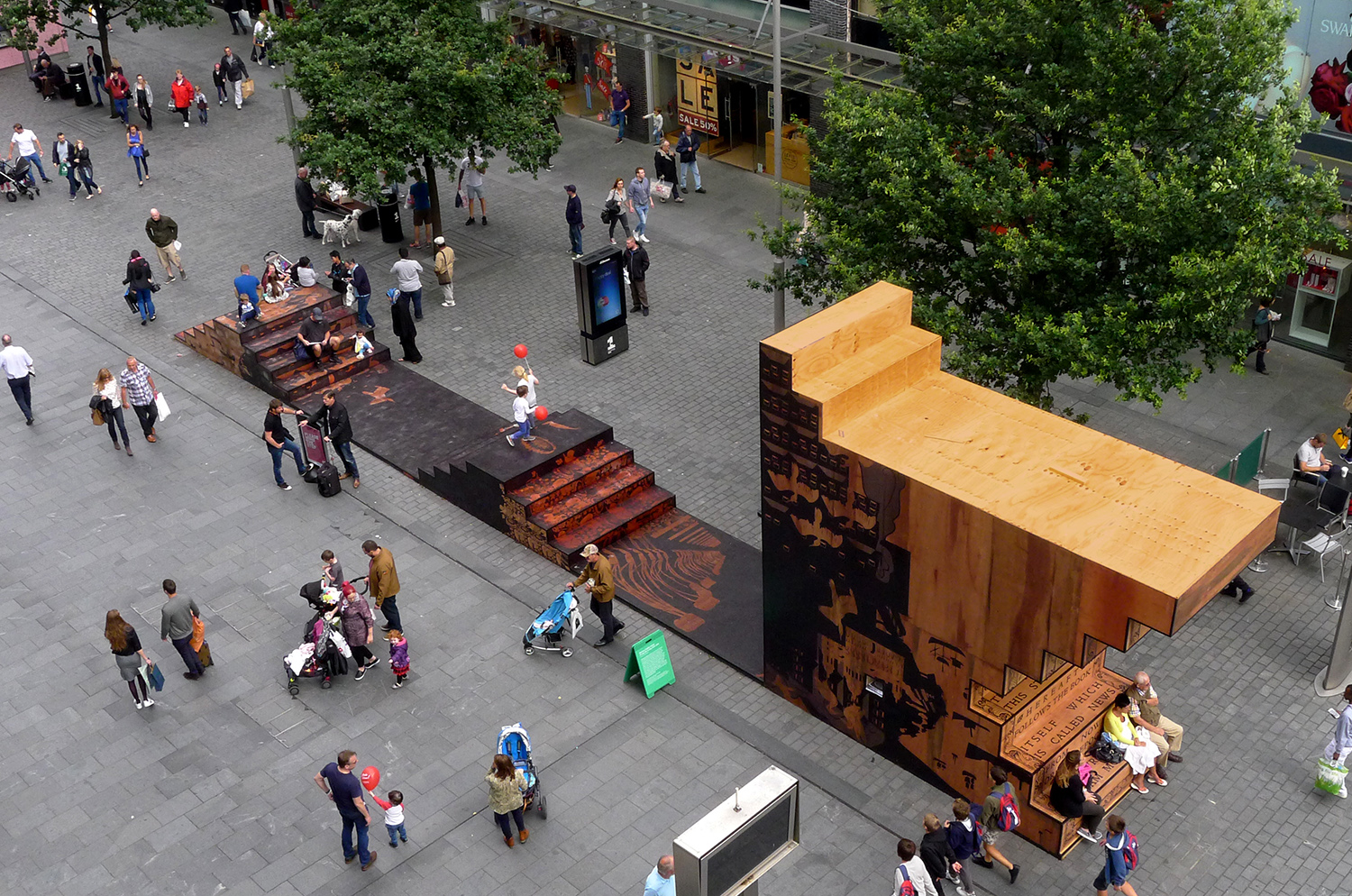
To-Day, July 9th, 2016, 2016.
Wood, silkscreen printed tiles and newspaper.
Liverpool Biennale, Liverpool, UK. Photo: Mark McNulty
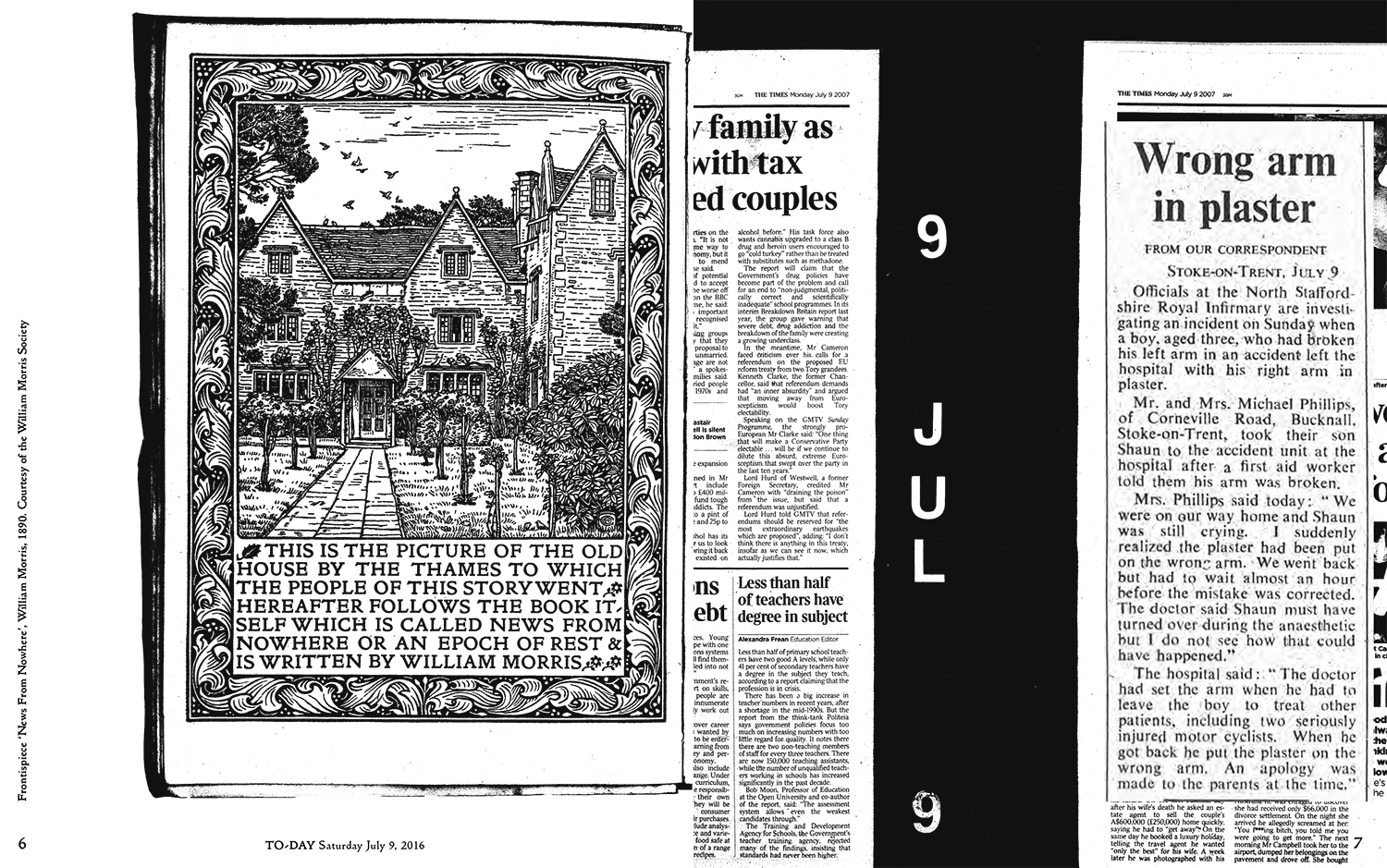
Publication: To-Day, July 9th, 2016, 2016
Liverpool Biennale, Liverpool, UK
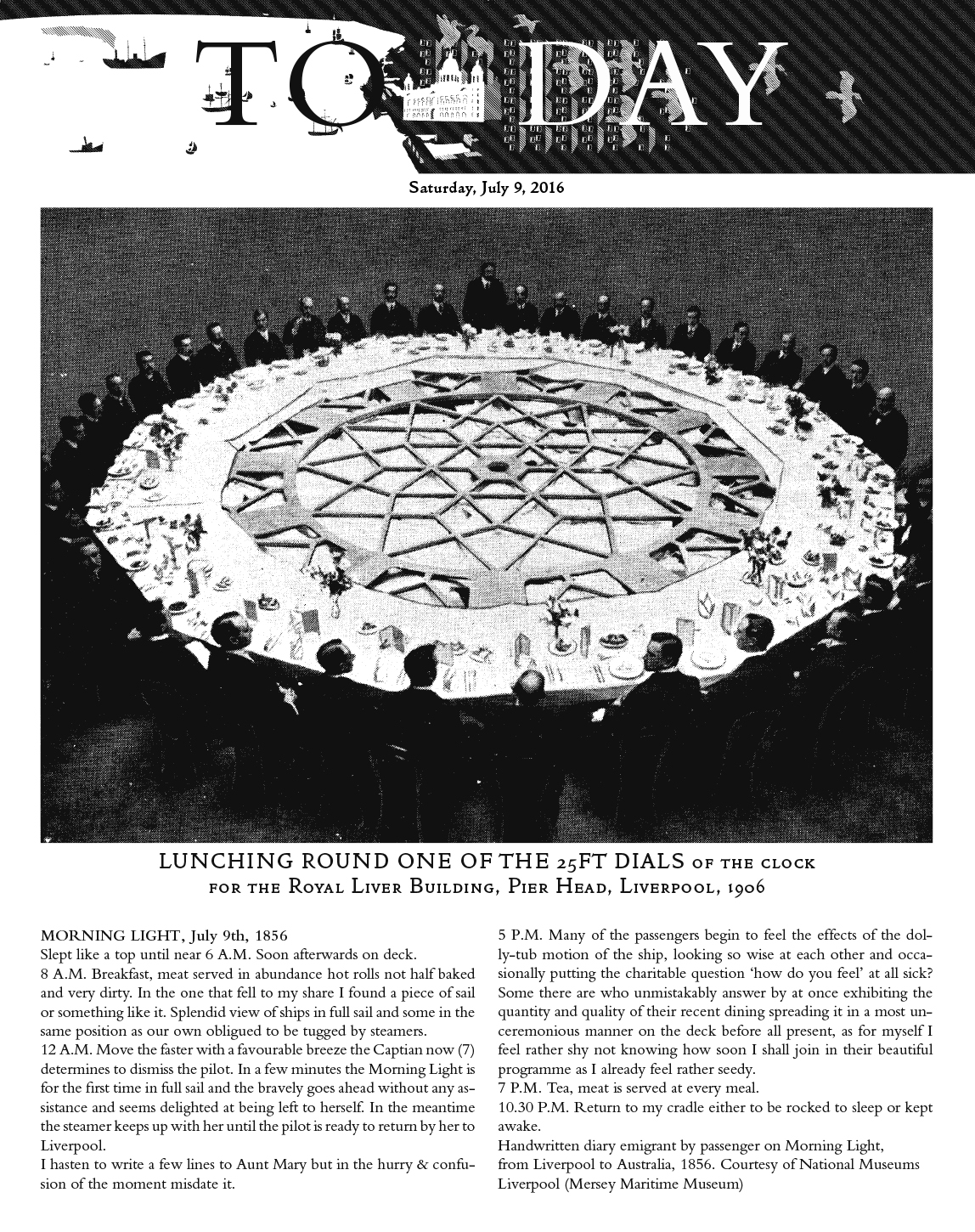
Cover newspaper publication: To-Day, July 9th, 2016, 2016
Liverpool Biennale, Liverpool, UK
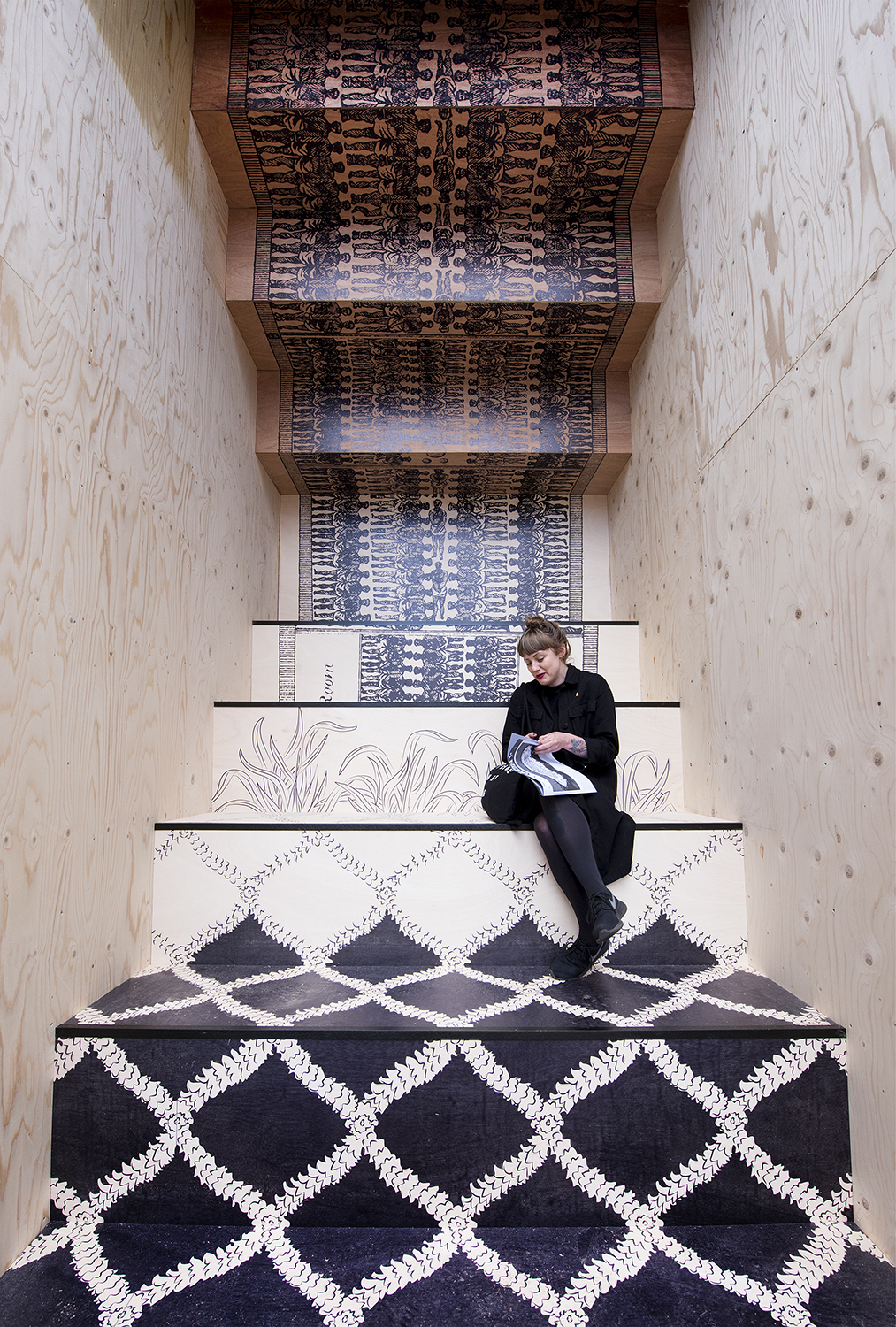
Detail: To-Day, July 9th, 2016, 2016
Wood, silkscreen printed tiles
Liverpool Biennale, Liverpool, UK
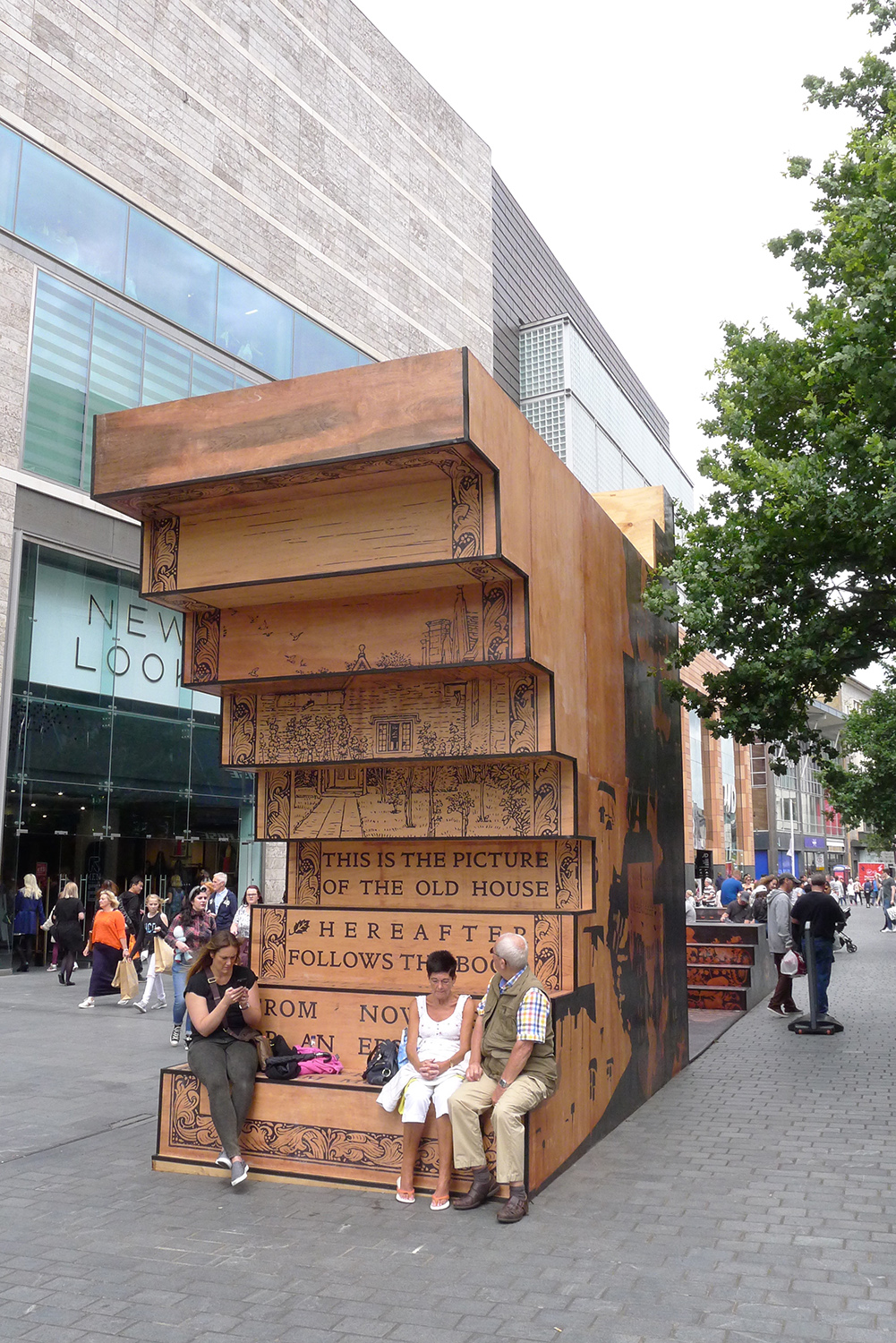
To-Day, July 9th, 2016, 2016
Wood, silkscreen printed tiles
Liverpool Biennale, Liverpool, UK
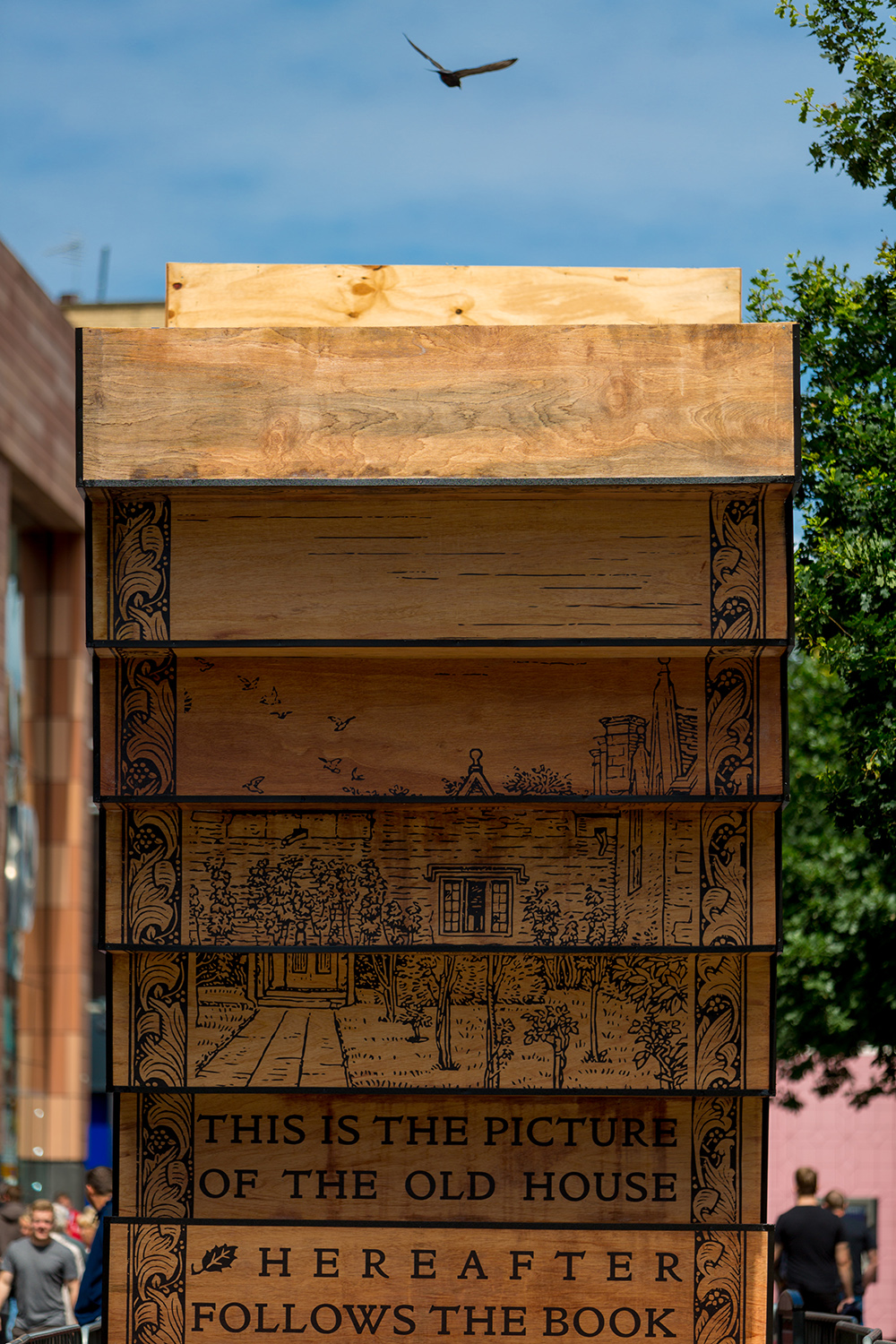
Detail: To-Day, July 9th, 2016, 2016
Wood, silkscreen printed tiles
Liverpool Biennale, Liverpool, UK
To-day July 9th takes as a starting point the ongoing piece To-day, started in 2005. The second edition was shown in 2006. This most recent piece in 2016 was the third edition.The piece will be completed after 365 editions. The present is a mixture of different temporalities, where events, objects and people from multiple times coexist.
What is the present? When does a passage become a moment? When does an occurrence turn into an event? To-day consists of a newspaper publication and a stage; hosting a fictional character that exists only in one day, but throughout the years.
The character can surf freely on this date in different years, jumping back and forth in a 24 hours spectrum around time. Each time the piece takes place; the character is shaped by this one-day history. It is important to mention that the date is decided by the situation and not by the artist.
The date always coincides with the official opening of the exhibition, in this case the 9th of July. The documentation and visual material departs from newspapers, travel logs, birthdates, obituaries, holidays, observances, and any other traces related to this particular date.To-day is an archive of events, with an arbitrary point in common.
TO-DAY / A Noite
Curated by Fernanda Brenner and Ana Roman
TO-DAY / A Noite, September 2nd
PIVÔ Art and Research, São Paulo
September 2 – October 29, 2023
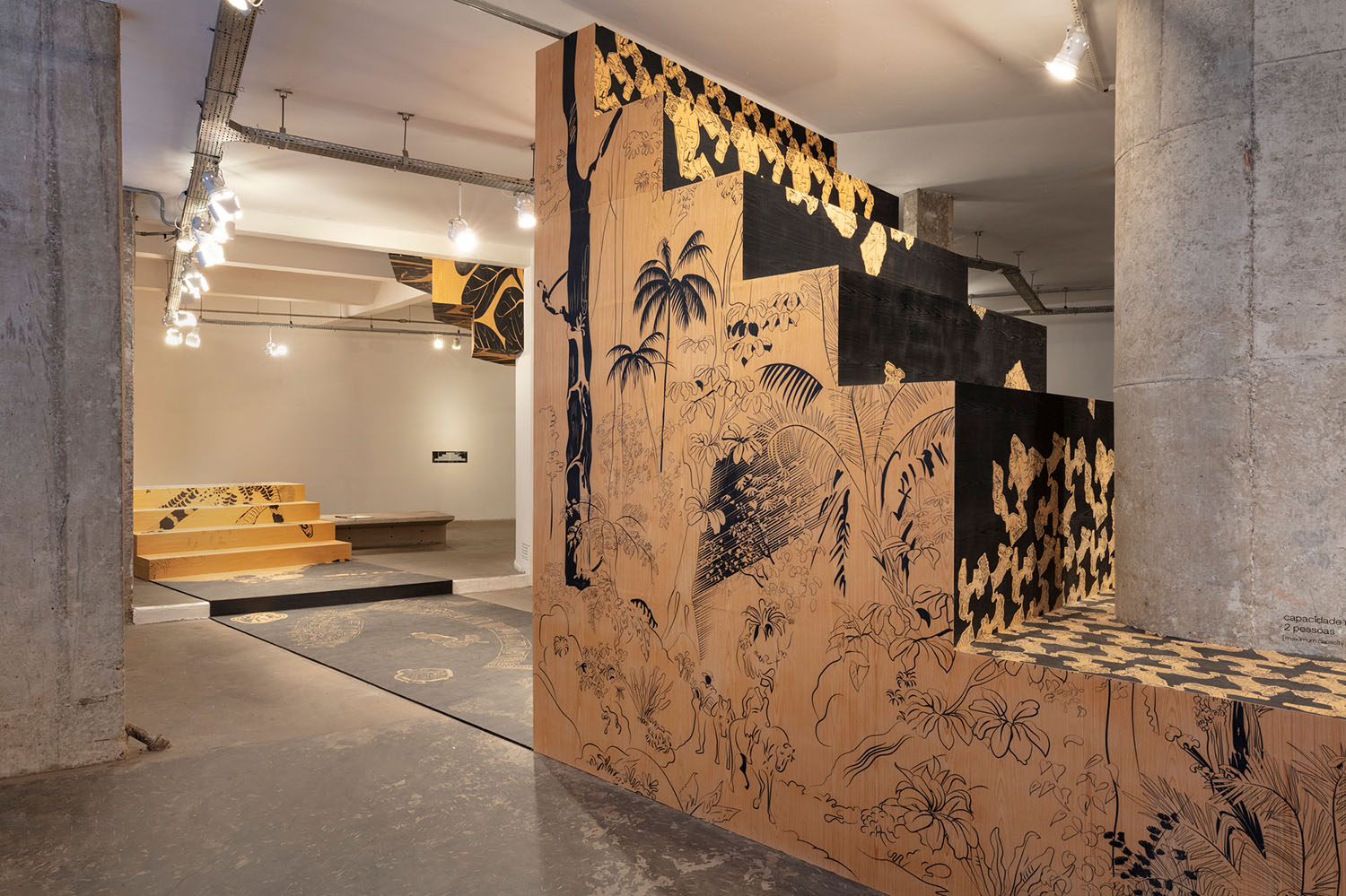
Installation view To-Day/A Noite, September 2nd, PIVÔ Art and Research, São Paulo, Brasil 2023, photo: Everton Ballardin.
In her first solo exhibition within a Brazilian institution, Mexican artist Mariana Castillo Deball presents an iteration of her long-term project TO-DAY. This project encompasses an installation which extends across almost the entire first exhibition floor of Pivô and which houses a fictional character that exists only on one day, within multiple years. Accompanying this installation is a newspaper distributed by the artist. In this edition of the installation, the character is inspired by the fable of the Tower of Babel: in the story, humanity tries to build a tower to reach heaven. God, observing these attitudes, punishes them by changing their languages so that they can no longer understand each other and spreading them around the world. The Tower was never completed and different languages were created. The myth serves as a metaphor for the location of the work: Copan would be a contemporary Tower of Babel in São Paulo.
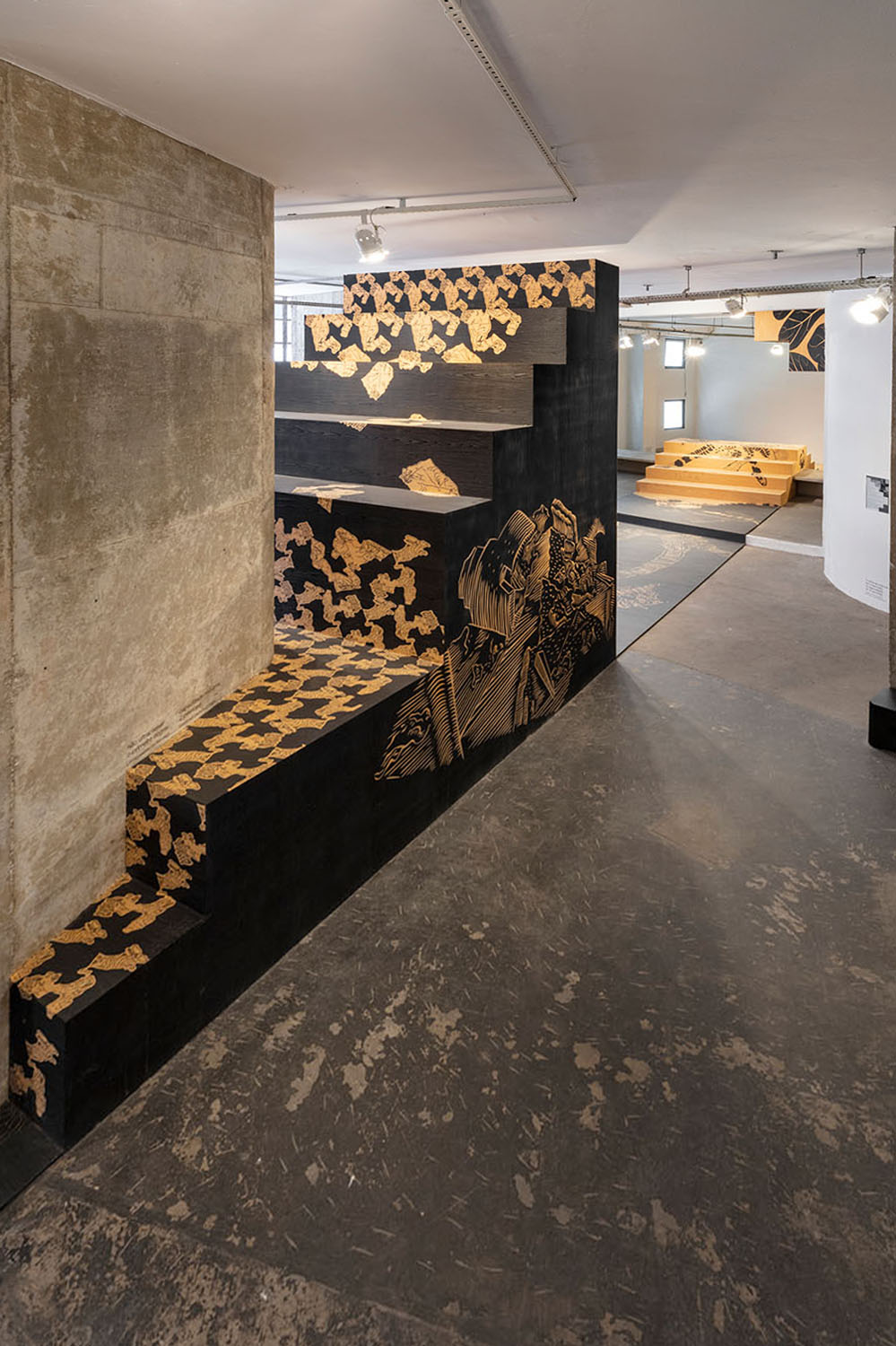
Installation view To-Day/A Noite, September 2nd, PIVÔ Art and Research, São Paulo, Brasil 2023, photo: Everton Ballardin.
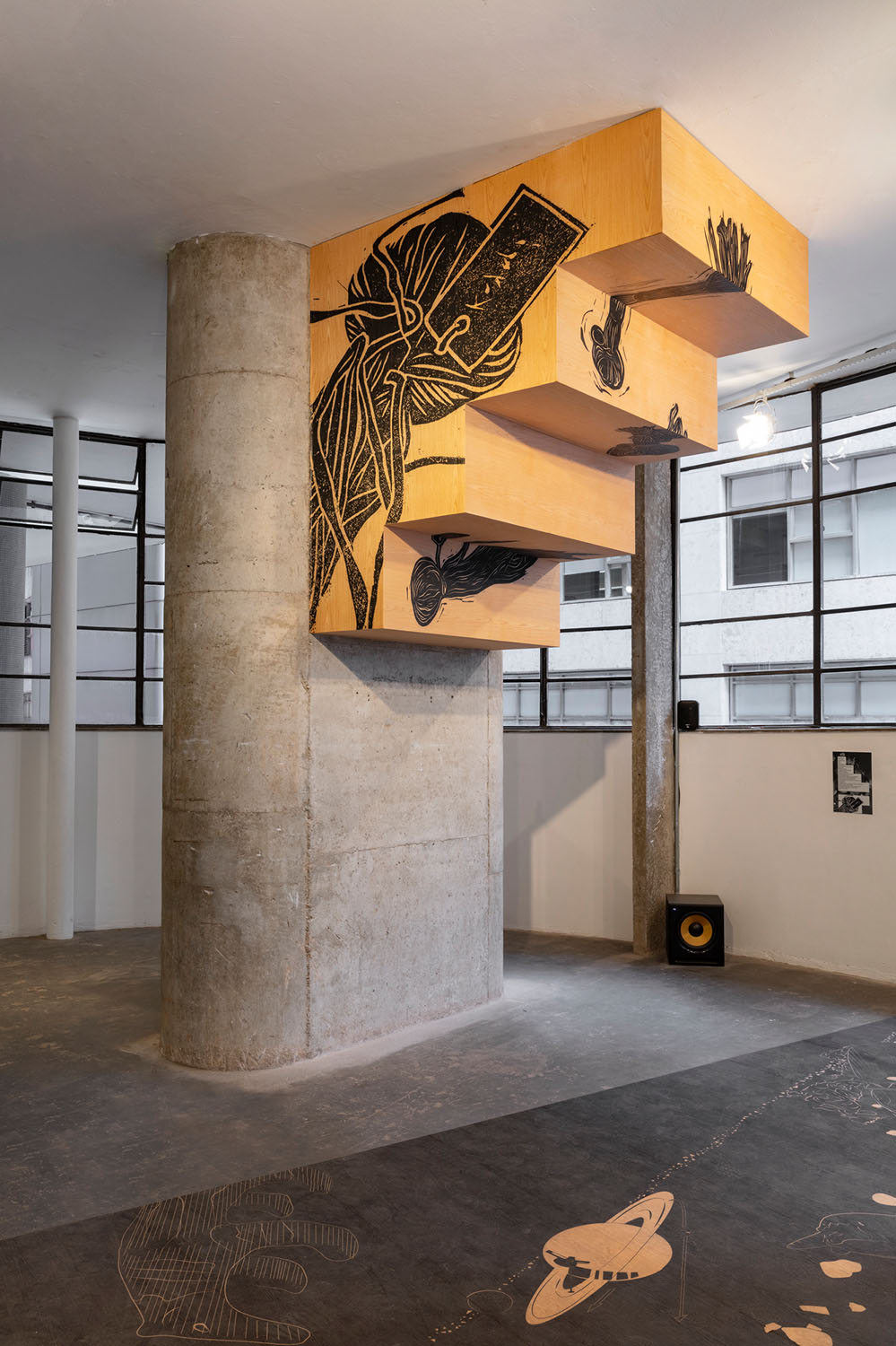
Installation view To-Day/A Noite, September 2nd, PIVÔ Art and Research, São Paulo, Brasil 2023, photo: Everton Ballardin.
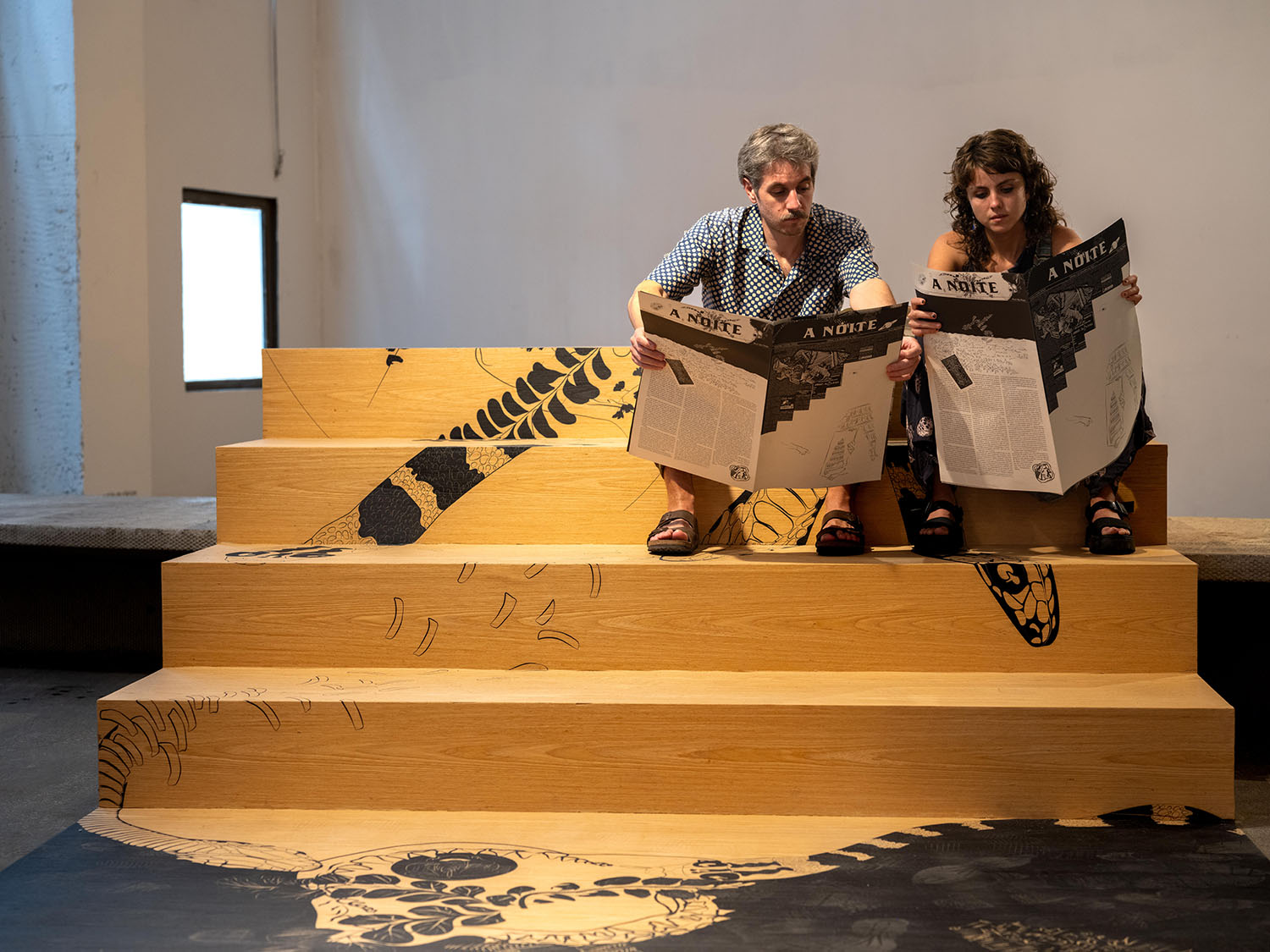
Installation view To-Day/A Noite, September 2nd, PIVÔ Art and Research, São Paulo, Brasil 2023, photo: Marina Lima.
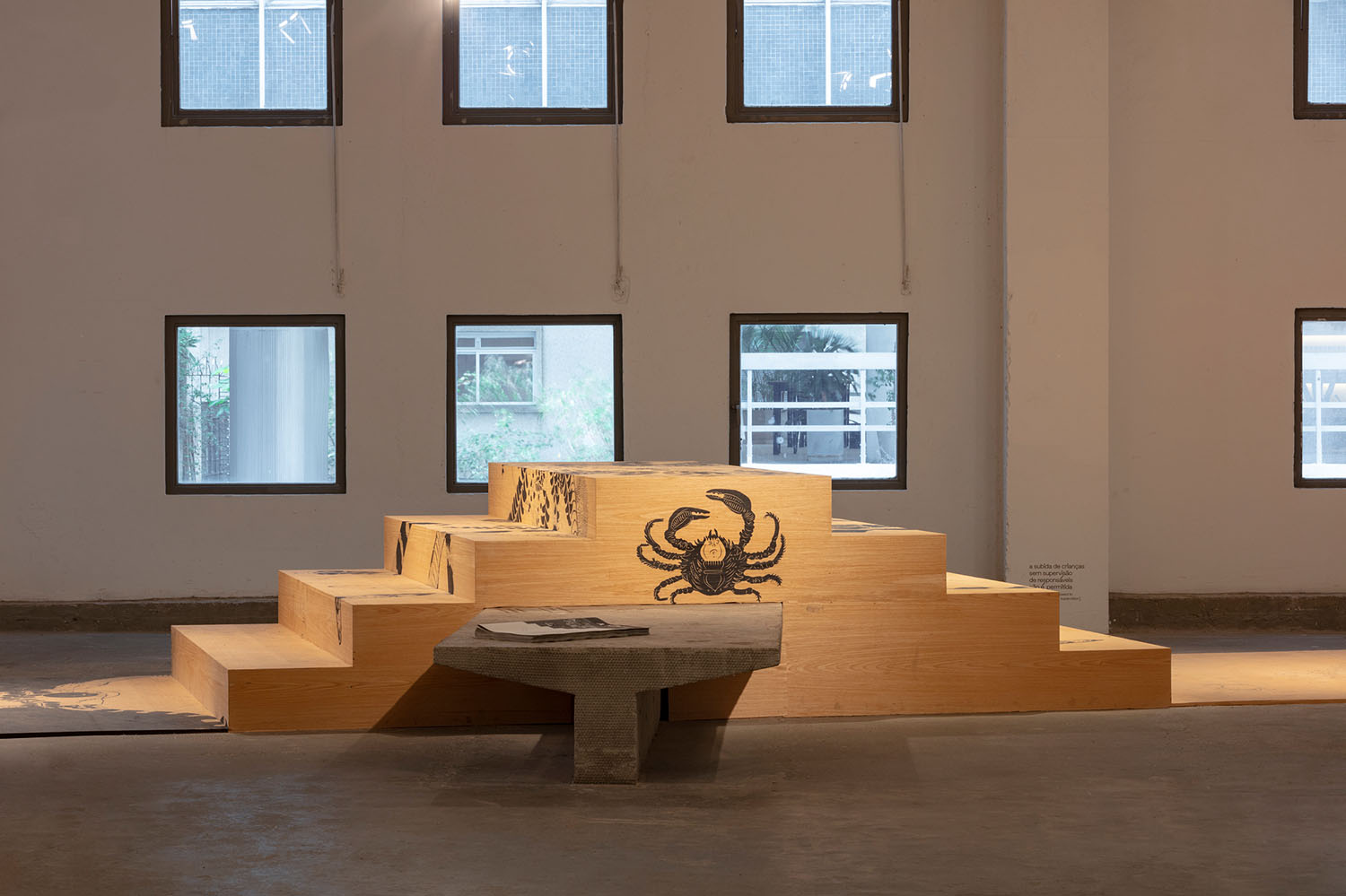
Installation view To-Day/A Noite, September 2nd, PIVÔ Art and Research, São Paulo, Brasil 2023, photo: Everton Ballardin.
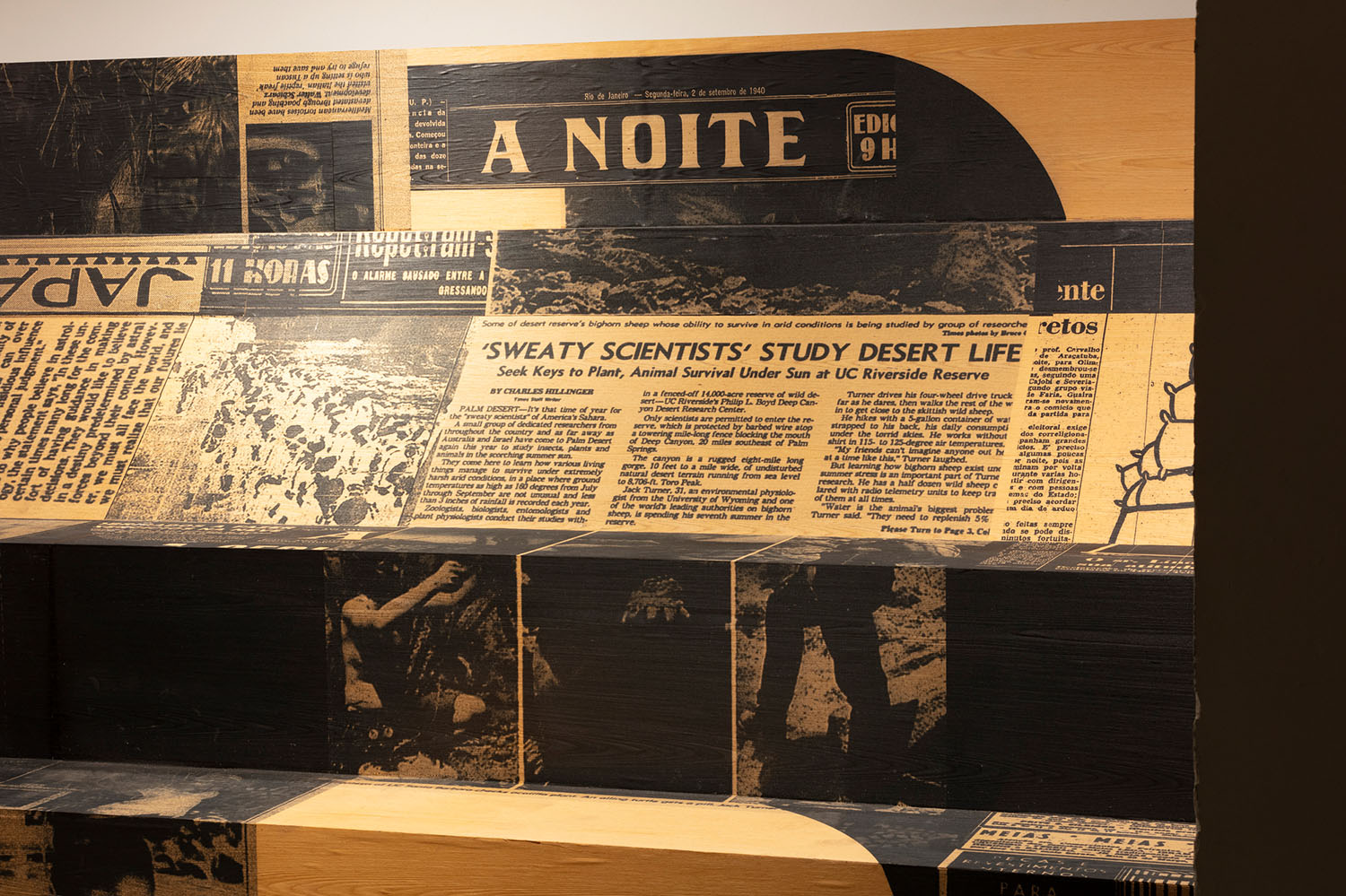
Detail view To-Day/A Noite, September 2nd, PIVÔ Art and Research, São Paulo, Brasil 2023, photo: Everton Ballardin.
Digital design for the Purple (D Line)
Extension as part of the future Wilshire / LA Cienega Station
Commissioned by LACMTA (Metro)
This artwork for future Wilshire/La Cienega Station is comprised of four landscape images integrated into two collages that run along the north and south walls of the station concourse. The base of the collage are paper cut outlines from historical maps of the Pacific Coast and the American Continent. Each layer represents a specific geographic location and was created utilizing a unique technique.
The final creation weaves together four landscape images: Fossil Ground, ink rubbings made from fossils excavated at the construction site of the station as well as other fossils from the same period; Woven Cienega, a plaster interpretation of the historic Rancho La Cienega topography with an imprint of a basket pattern similar to weaving techniques created by Indigenous persons of the region; Urban Desert Fauna, an abstraction of the river transformed into an urban path that runs through the vista and includes drawings of animal species native to the region; and Medicinal Flora, ink drawings of indigenous medicinal plants.
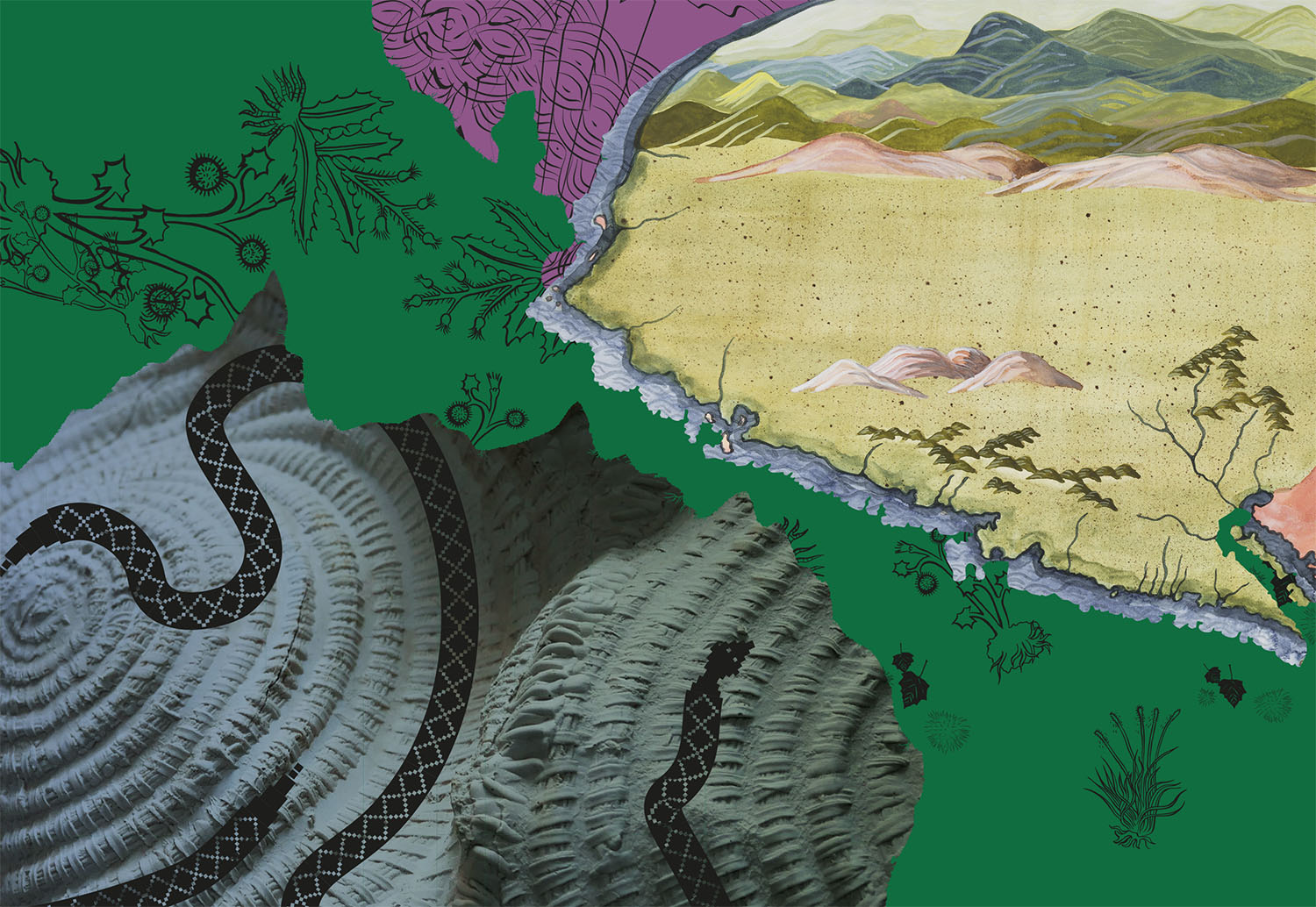
Detail of Four Pleated Landscapes: Fossil Ground, Woven Cienega, Medicinal Flora and Urban Dessert Fauna, digital design for the North Wall
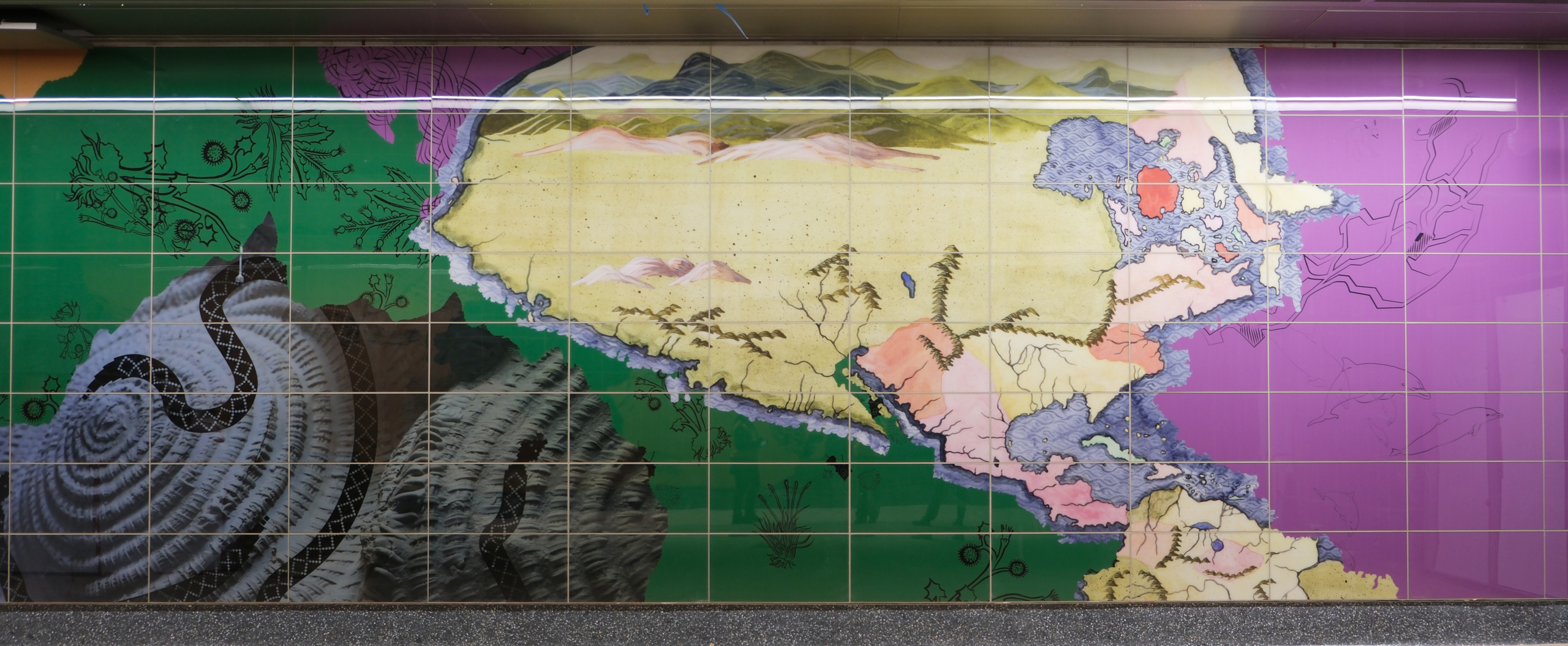
Four Pleated Landscapes: Fossil Ground, Woven Cienega, Medicinal Flora and Urban Dessert Fauna, North Wall 3/4, digital print on glass tiles, 4298 x 365,8 cm
Installation view of Wilshire/La Cienega Station from the building site.
Commissioned by METRO LA, Los Angeles, California, USA.
Codex Humboldt Fragment 1 / Codex Azoyú Reverso
Humboldt Forum, Berlin, 2020.
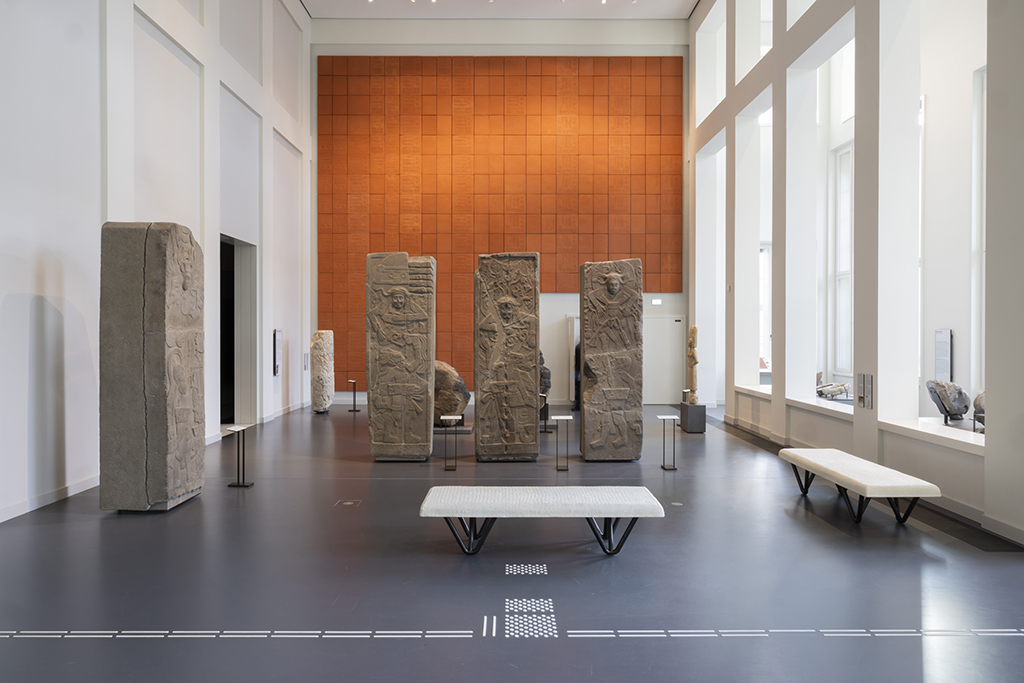
Codex Humboldt Fragment 1 / Codex Azoyú 2 Reverso , Permanent installation view,
Humboldt Forum, Berlin 2020.
Photo © Victoria Tomaschko.
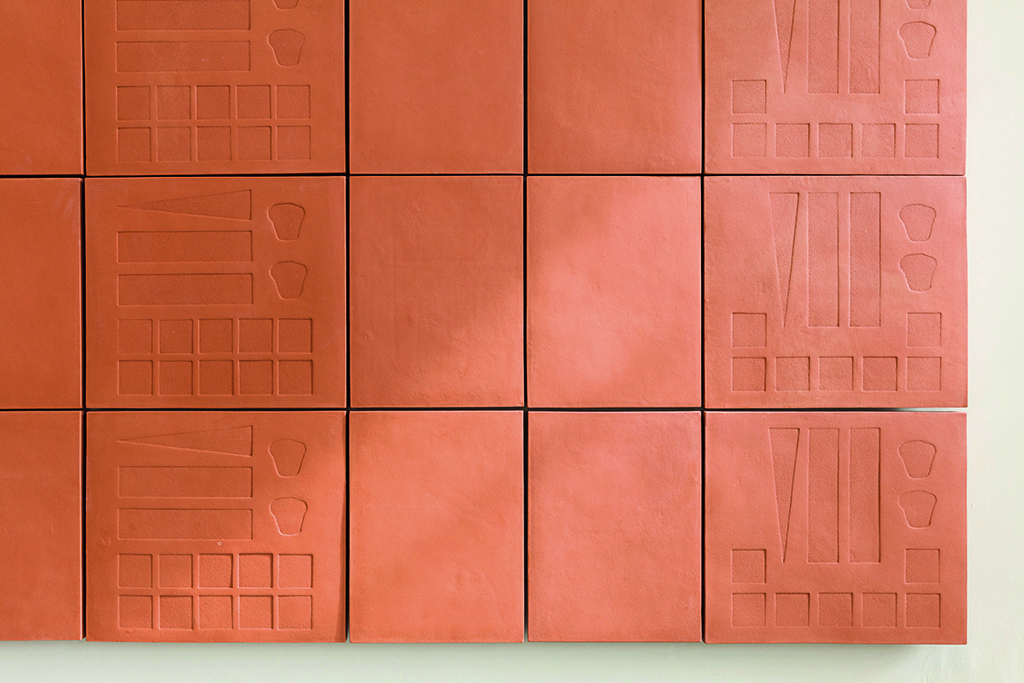
Codex Humboldt Fragment 1 / Codex Azoyú 2 Reverso , Permanent installation view,
Humboldt Forum, Berlin 2020.
Photo © Stiftung Humboldt Forum.
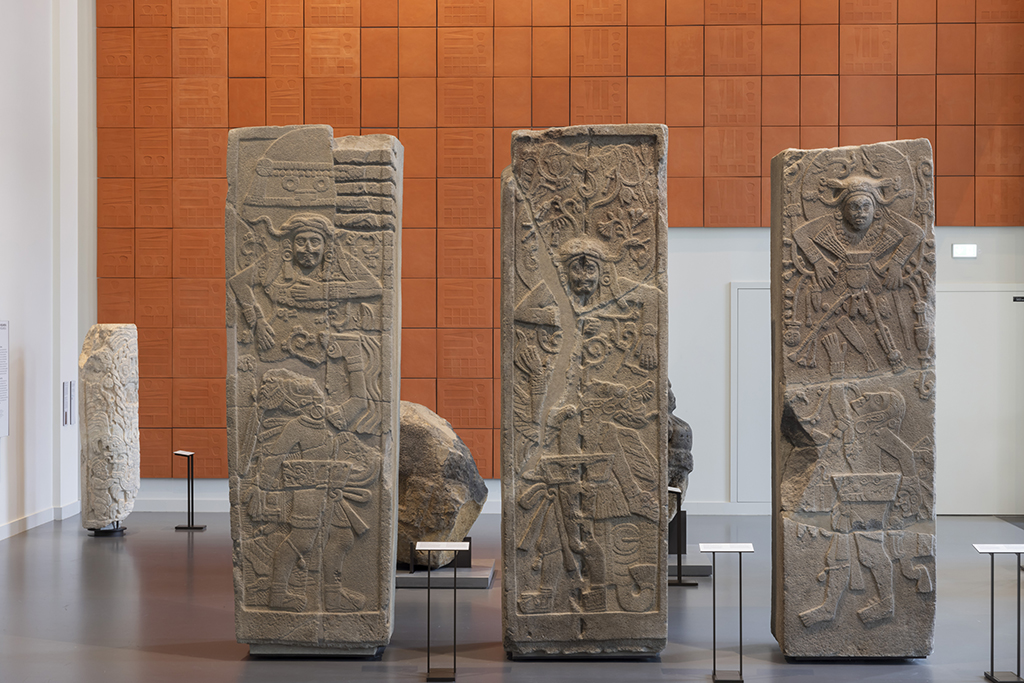
Codex Humboldt Fragment 1 / Codex Azoyú 2 Reverso , Permanent installation view,
Humboldt Forum, Berlin 2020.
Photo © Victoria Tomaschko.
A contemporary elective affinity the term Mesoamerica is used to describe a region in North and Central America that was shaped by shared cultural traits. It covered an area now occupied by Mexico, Guatemala, Belize, and parts of Honduras, El Salvador, and Costa Rica. In pre-colonial times a large population lived there and various indigenous cultures emerged, including the Aztec, Huaxtec, Mixtec, Olmec, Zapotec, Maya, and Cotzumalhuapa cultures. Impressive reliefs as well as large, sculptures of animal figures, mythical creatures, and deities are among the surviving artefacts from the Cotzumalhuapa culture.
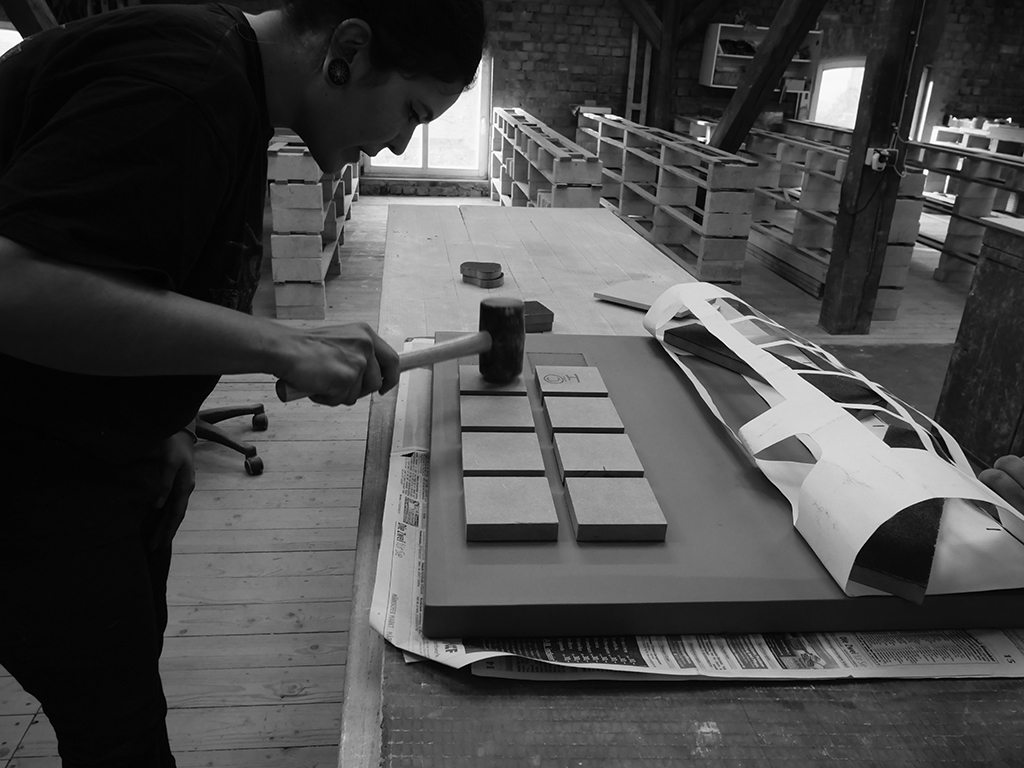
Codex Humboldt Fragment 1 / Codex Azoyú 2 Reverso , Production view,
Humboldt Forum, Berlin 2020.
Courtesy the artist © studio castillo deball
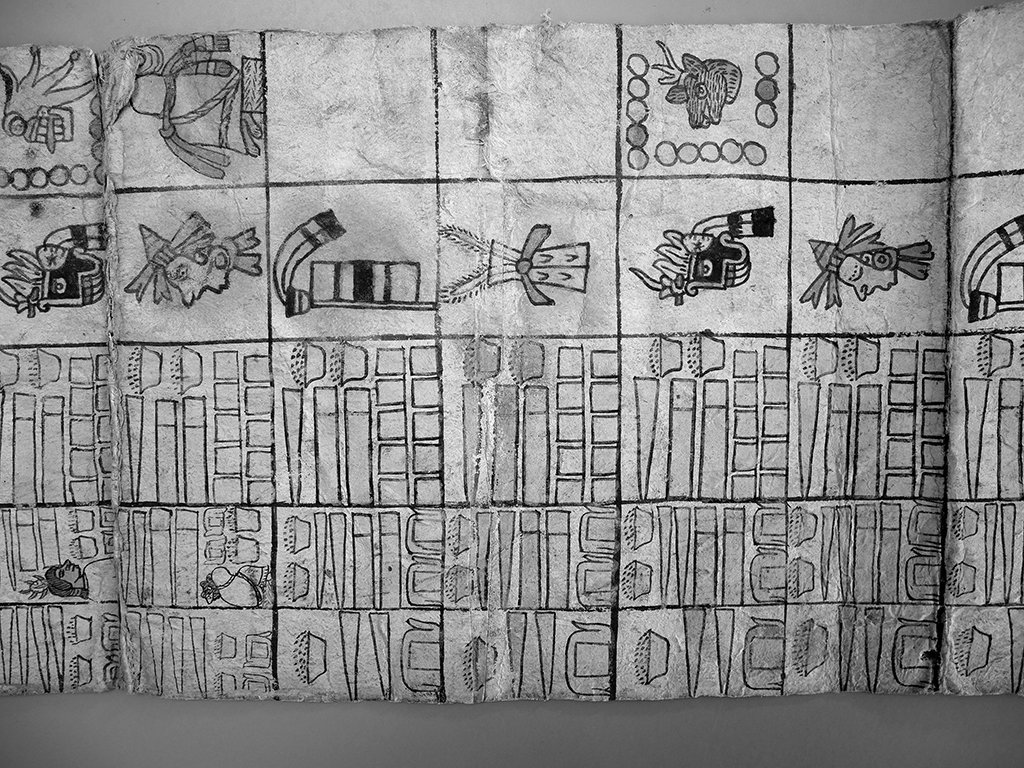
Codex Humboldt Fragment 1 / Codex Azoyú 2 Reverso , Investigation Process,
Humboldt Forum, Berlin 2020.
Courtesy the artist © studio castillo deball
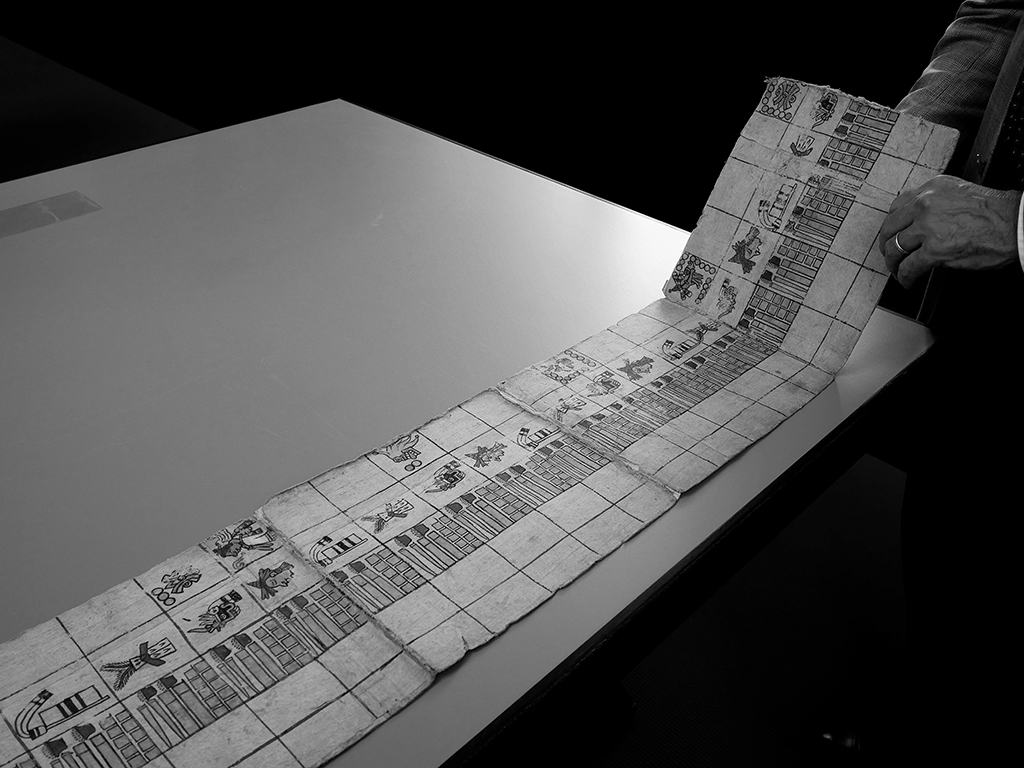
Codex Humboldt Fragment 1 / Codex Azoyú 2 Reverso , Investigation Process,
Humboldt Forum, Berlin 2020.
Courtesy the artist © studio castillo deball
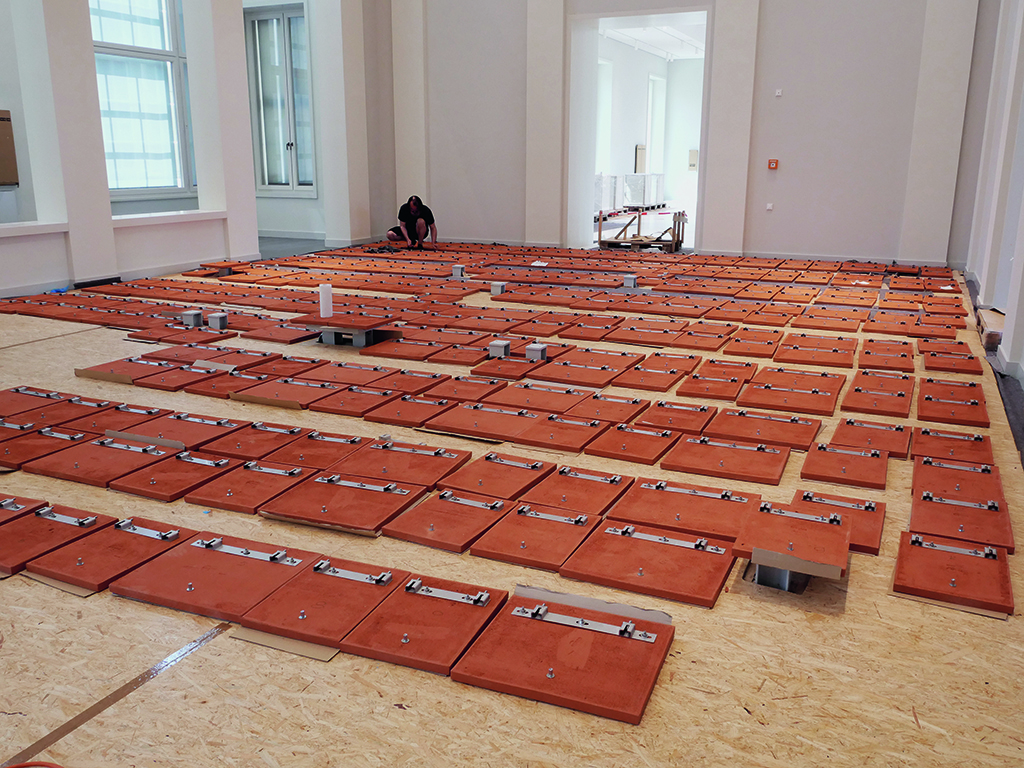
Codex Humboldt Fragment 1 / Codex Azoyú 2 Reverso , Installation process,
Humboldt Forum, Berlin 2020.
Courtesy the artist © studio castillo deball
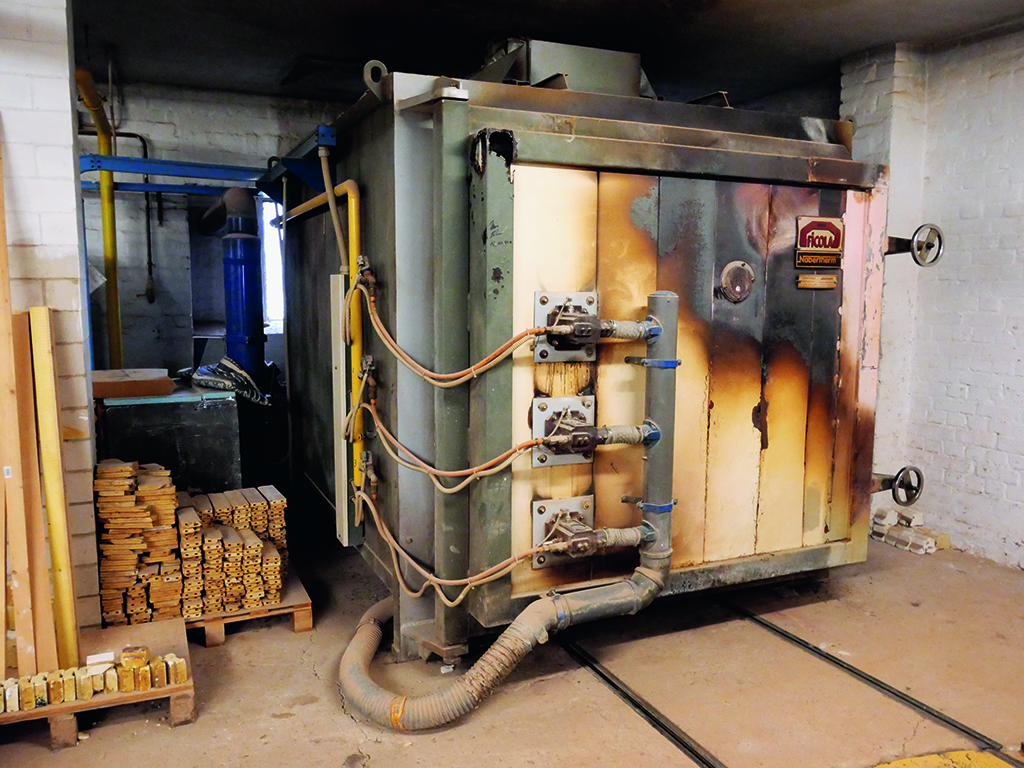
Codex Humboldt Fragment 1 / Codex Azoyú 2 Reverso , Production view,
Humboldt Forum, Berlin 2020.
Courtesy the artist © studio castillo deball
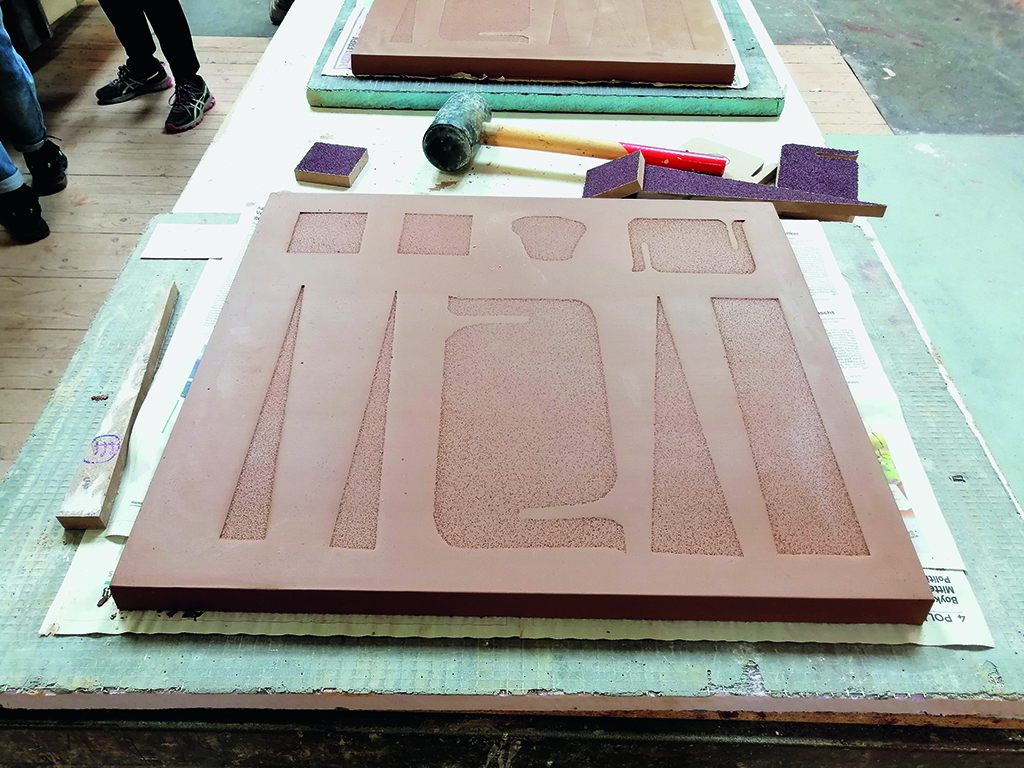
Codex Humboldt Fragment 1 / Codex Azoyú 2 Reverso , Production view,
Humboldt Forum, Berlin 2020.
Courtesy the artist © studio castillo deball
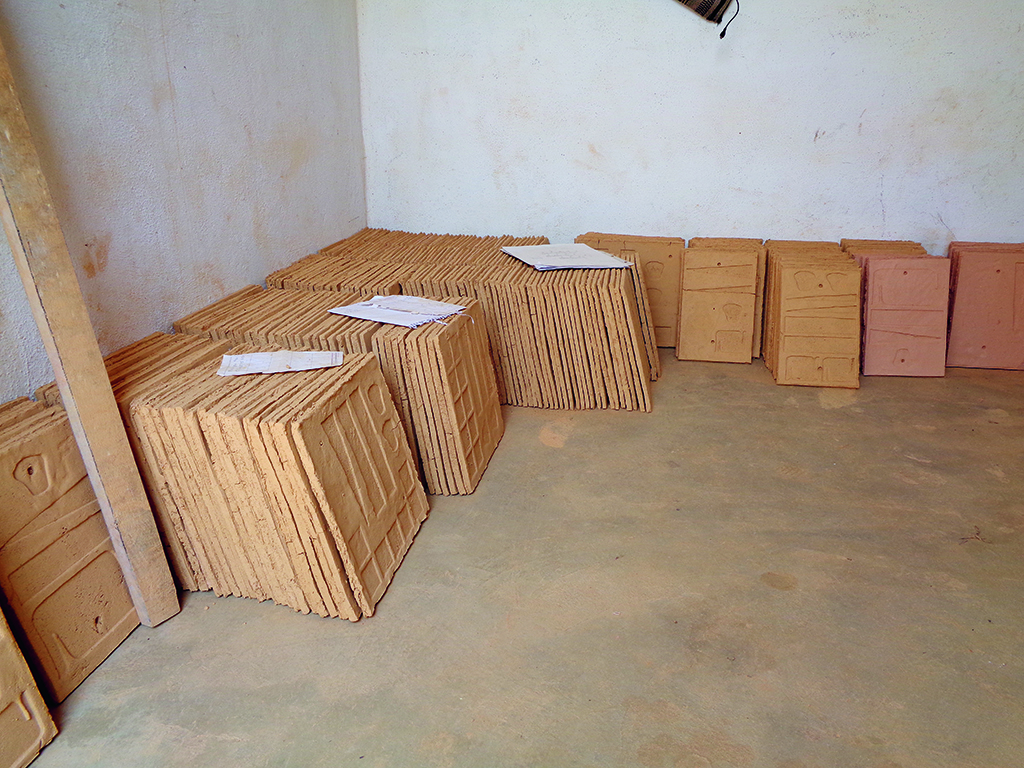
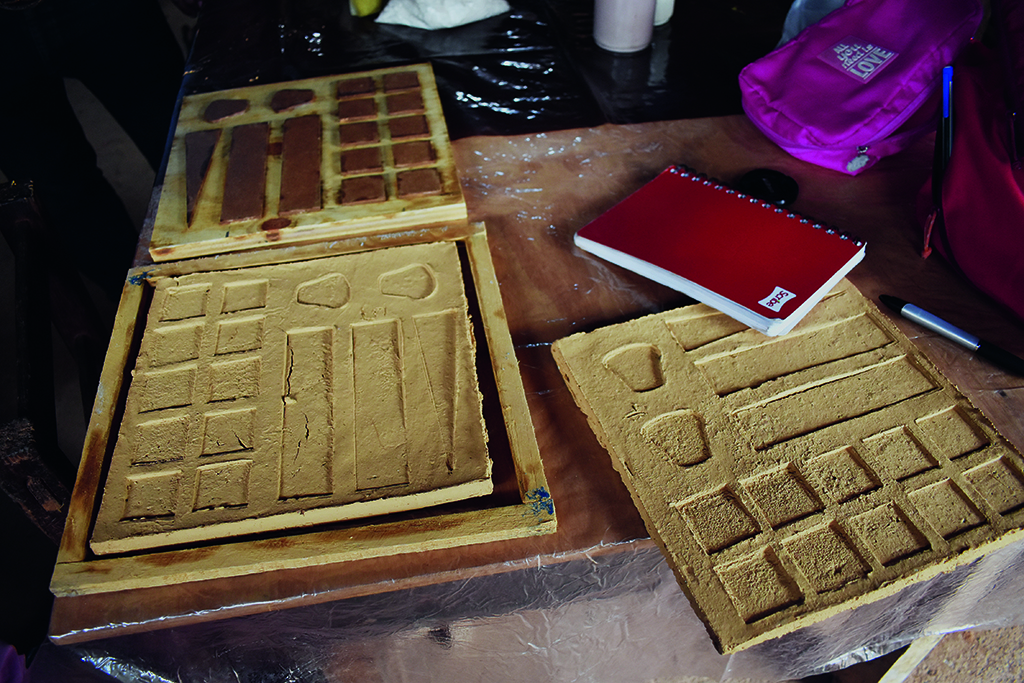
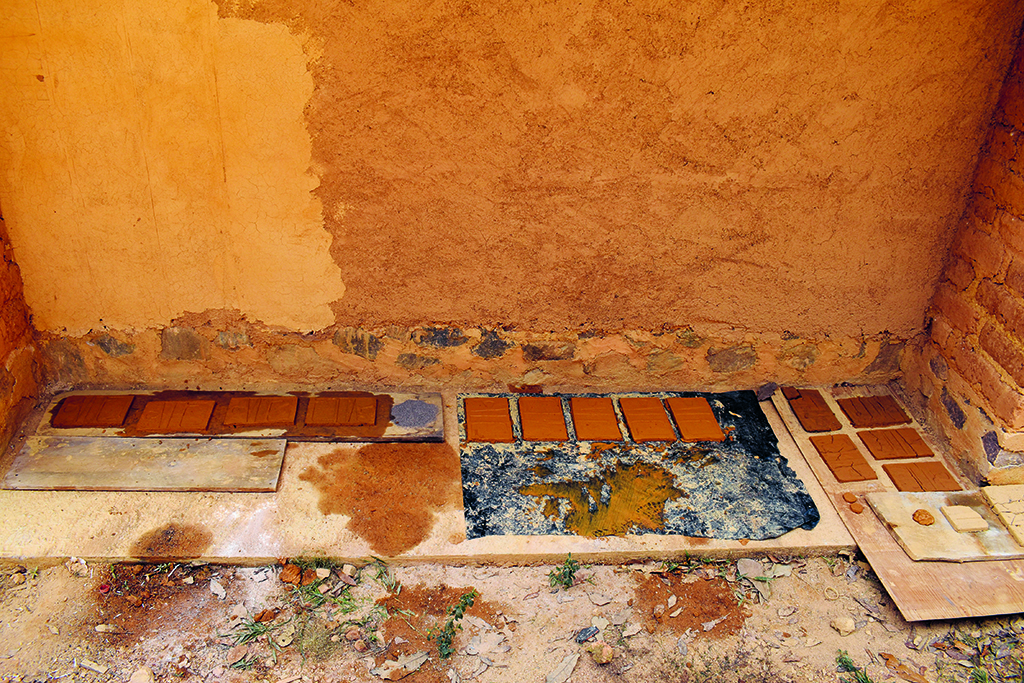
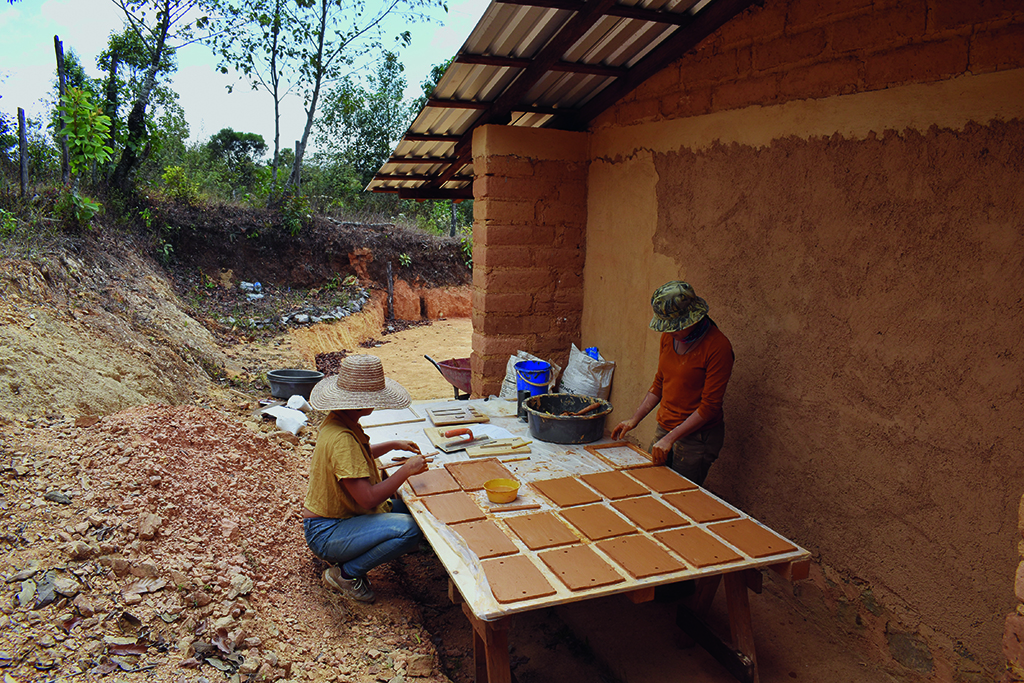
Along with the eight mighty Cotzumalhuapa stelae from 650-950 and other artefacts, a large-scale modern installation dominates the Mesoamerica gallery in the Humboldt Forum. Using 320 terracotta tiles, the Mexican artist Mariana Castillo Deball created the largest contemporary artwork within the presentations of the Ethnologisches Museum and the Museum für Asiatische Kunst. Her installation Codex Humboldt Fragment 1/Codex Azoyú Reverso almost completely covers the two-storey high southern end of the hall and was made possible by a donation from the “Friends of the Ethnologisches Museum”. In this work, the Berlin-based artist refers to two pictographic documents, the “Codex Humboldt Fragment 1” and “Codex Azoyú Reverso”. These are records of tax payments from the Tlapa region in Guerrero to the Aztec conquerors and rulers from the sixteenth century. Alexander von Humboldt acquired the “Codex Humboldt Fragment 1” during his visit to New Spain at the beginning of the nineteenth century. Today, the fragment is in the collection of the Staatsbibliothek zu Berlin (Berlin State Library). The Codex Azoyú Reverso was rediscovered in 1940 in Guerrero, Mexico.
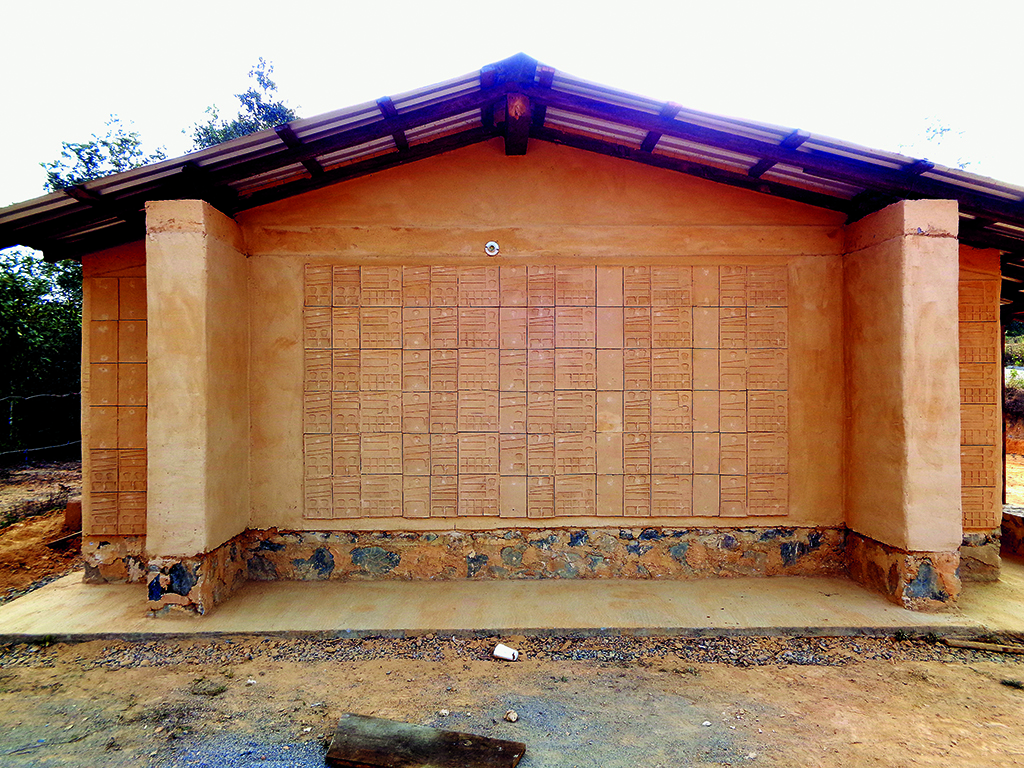
Codex Humboldt Fragment 1 / Codex Azoyú 2 Reverso
In collaboration with Cooperación Comunitaria.
Ojo de Agua, Malinaltepec, Guerrero.
© Cooperación Comunitaria
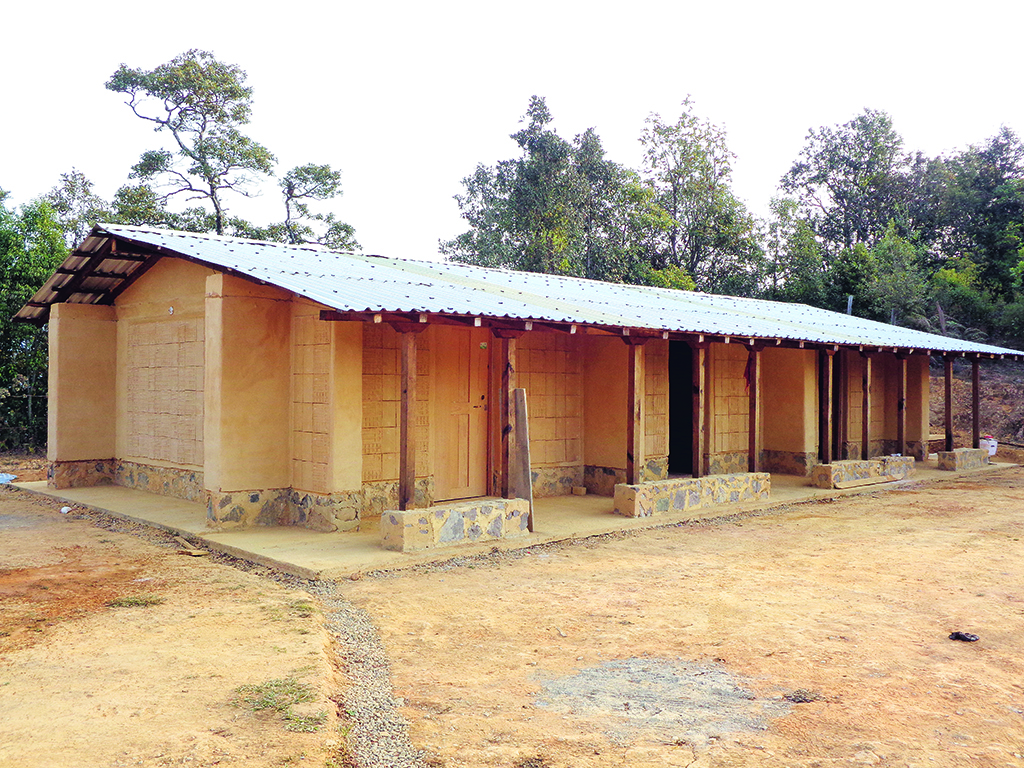
Codex Humboldt Fragment 1 / Codex Azoyú 2 Reverso
In collaboration with Cooperación Comunitaria.
Ojo de Agua, Malinaltepec, Guerrero.
© Cooperación Comunitaria
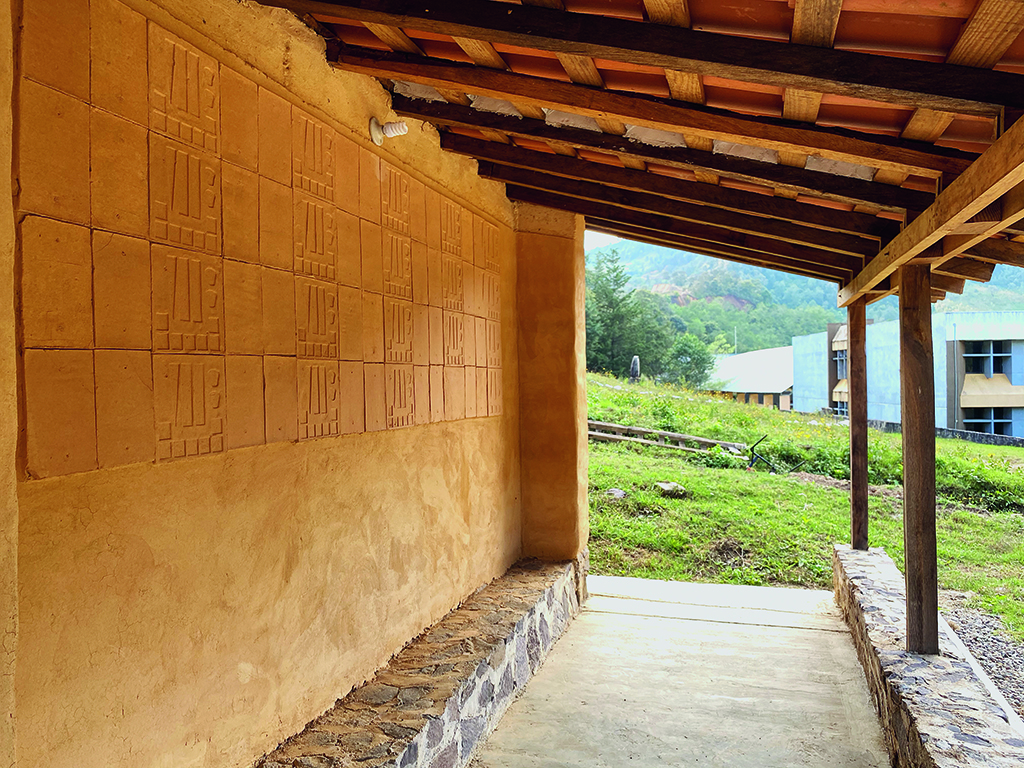
Codex Humboldt Fragment 1 / Codex Azoyú 2 Reverso
In collaboration with Cooperación Comunitaria.
Ojo de Agua, Malinaltepec, Guerrero.
© Cooperación Comunitaria
Codex Humboldt Fragment 1 / Codex Azoyú 2 Reverso
In collaboration with Cooperación Comunitaria.
Ojo de Agua, Malinaltepec, Guerrero.
© Cooperación Comunitaria
Codex Humboldt Fragment 1 / Codex Azoyú 2 Reverso
In collaboration with Cooperación Comunitaria.
Ojo de Agua, Malinaltepec, Guerrero.
© Cooperación Comunitaria
Codex Humboldt Fragment 1 / Codex Azoyú 2 Reverso
In collaboration with Cooperación Comunitaria.
Ojo de Agua, Malinaltepec, Guerrero.
© Cooperación Comunitaria
Codex Humboldt Fragment 1 / Codex Azoyú 2 Reverso
In collaboration with Cooperación Comunitaria.
Ojo de Agua, Malinaltepec, Guerrero.
© Cooperación Comunitaria
Codex Humboldt Fragment 1 / Codex Azoyú 2 Reverso
In collaboration with Cooperación Comunitaria.
Ojo de Agua, Malinaltepec, Guerrero.
© Cooperación Comunitaria
Distribution of Wealth Chart versus Geological Strata
Permanent Site-specific artwork at Zürich Insurance group,
Zürich, Switzerland, 2021.
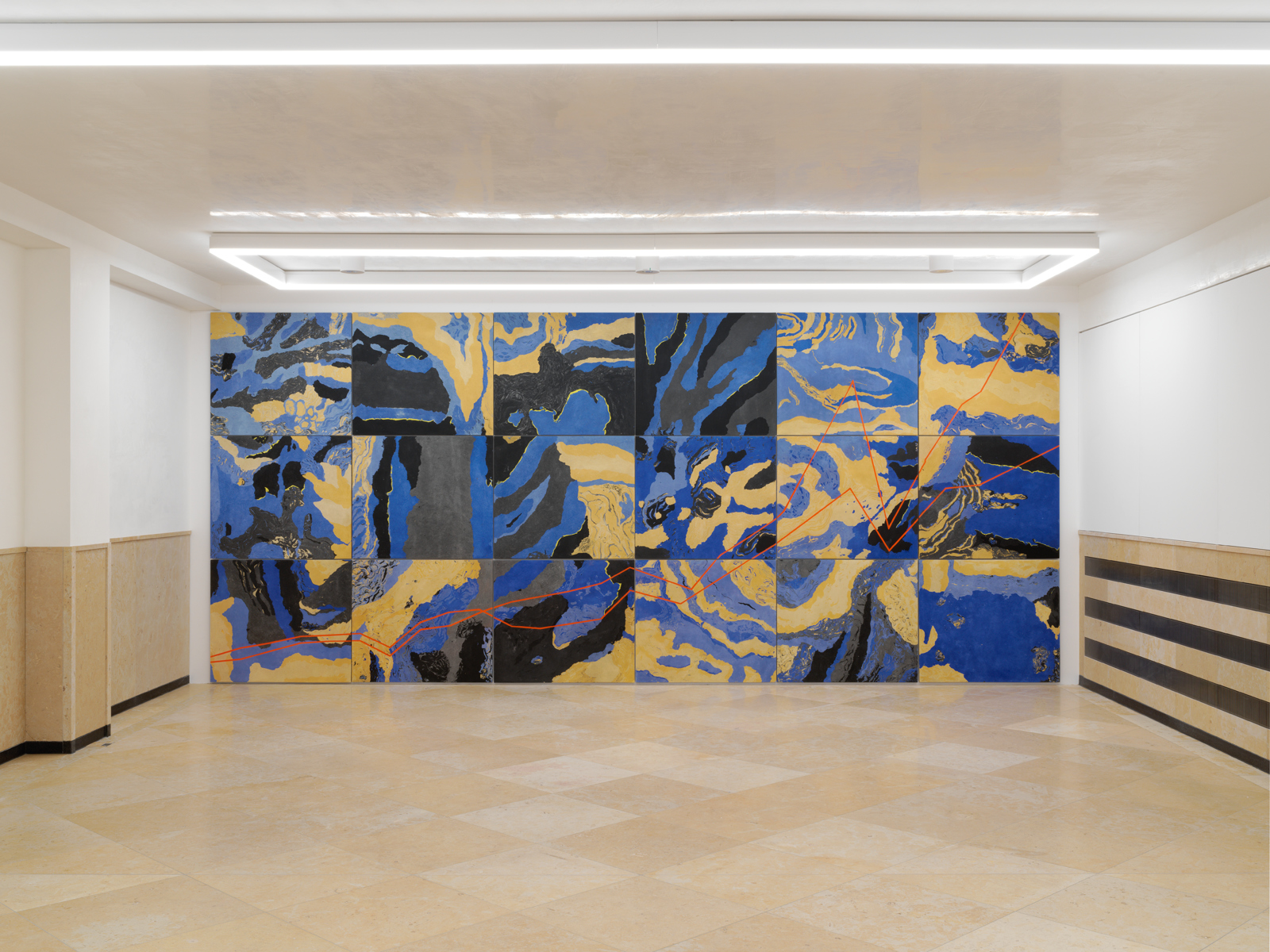
Distribution of Wealth Chart versus Geological Strata 2021,
Stuckmarmor on 18 aluminium,
Panels, 661 x 285 x 2,7 cm .
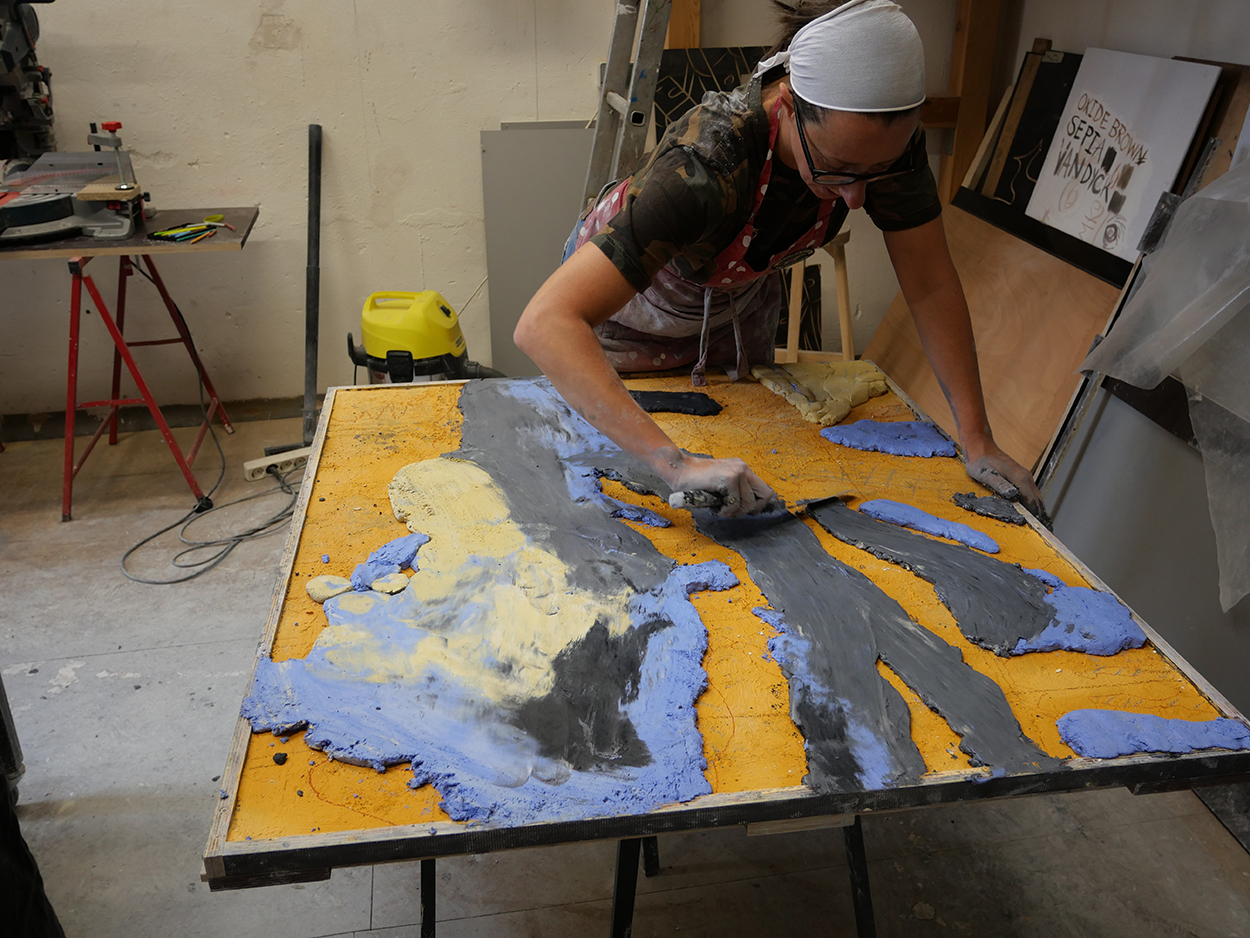
Work in progress of Distribution of Wealth Chart versus Geological Strata 2021,
Stuckmarmor on 18 aluminium,
Panels, 661 x 28 5 x 2,7 cm.
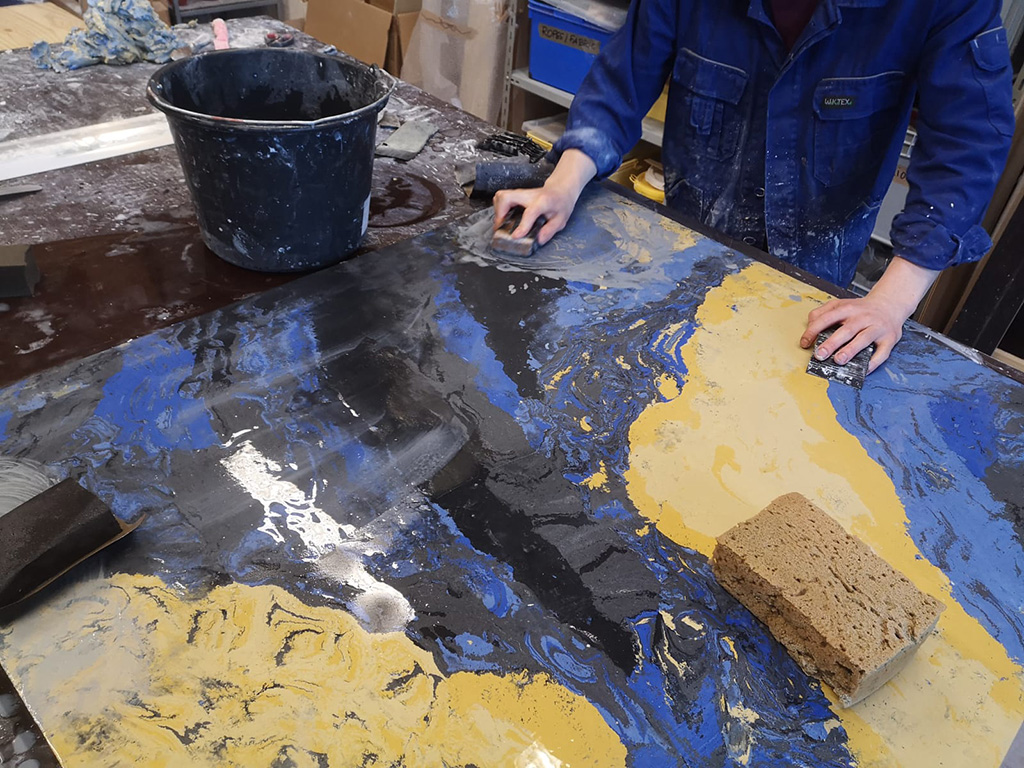
Work in progress of Distribution of Wealth Chart versus Geological Strata 2021,
Stuckmarmor on 18 aluminium,
Panels, 661 x 28 5 x 2,7 cm.
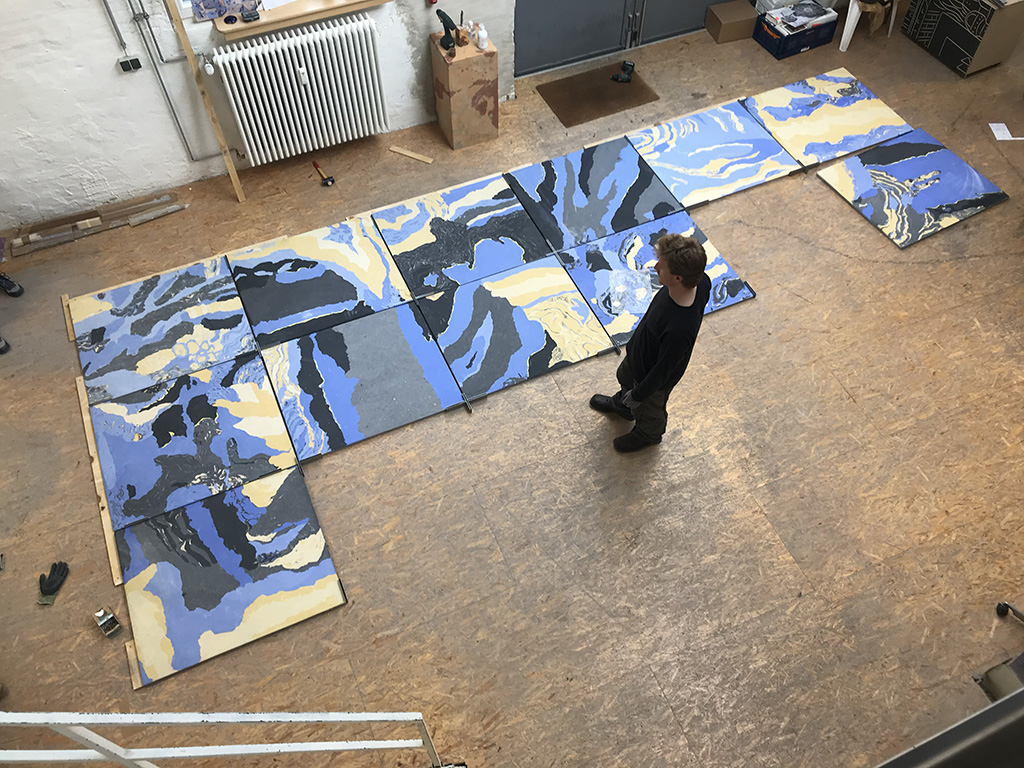
Work in progress of Distribution of Wealth Chart versus Geological Strata 2021,
Stuckmarmor on 18 aluminium,
Panels, 661 x 28 5 x 2,7 cm.
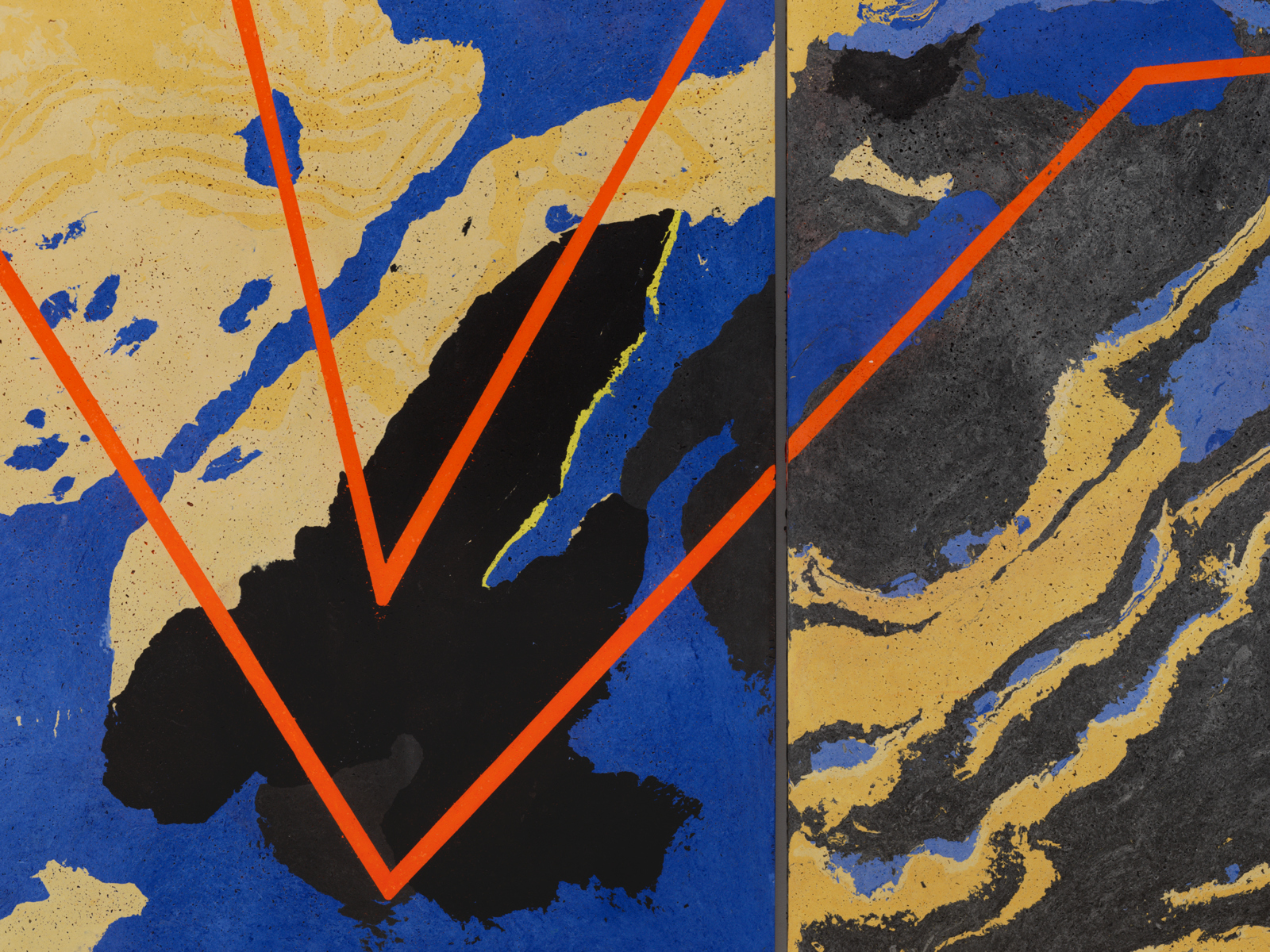
Detail of Distribution of Wealth Chart versus Geological Strata 2021,
Stuckmarmor on 18 aluminium,
Panels, 661 x 28 5 x 2,7 cm.
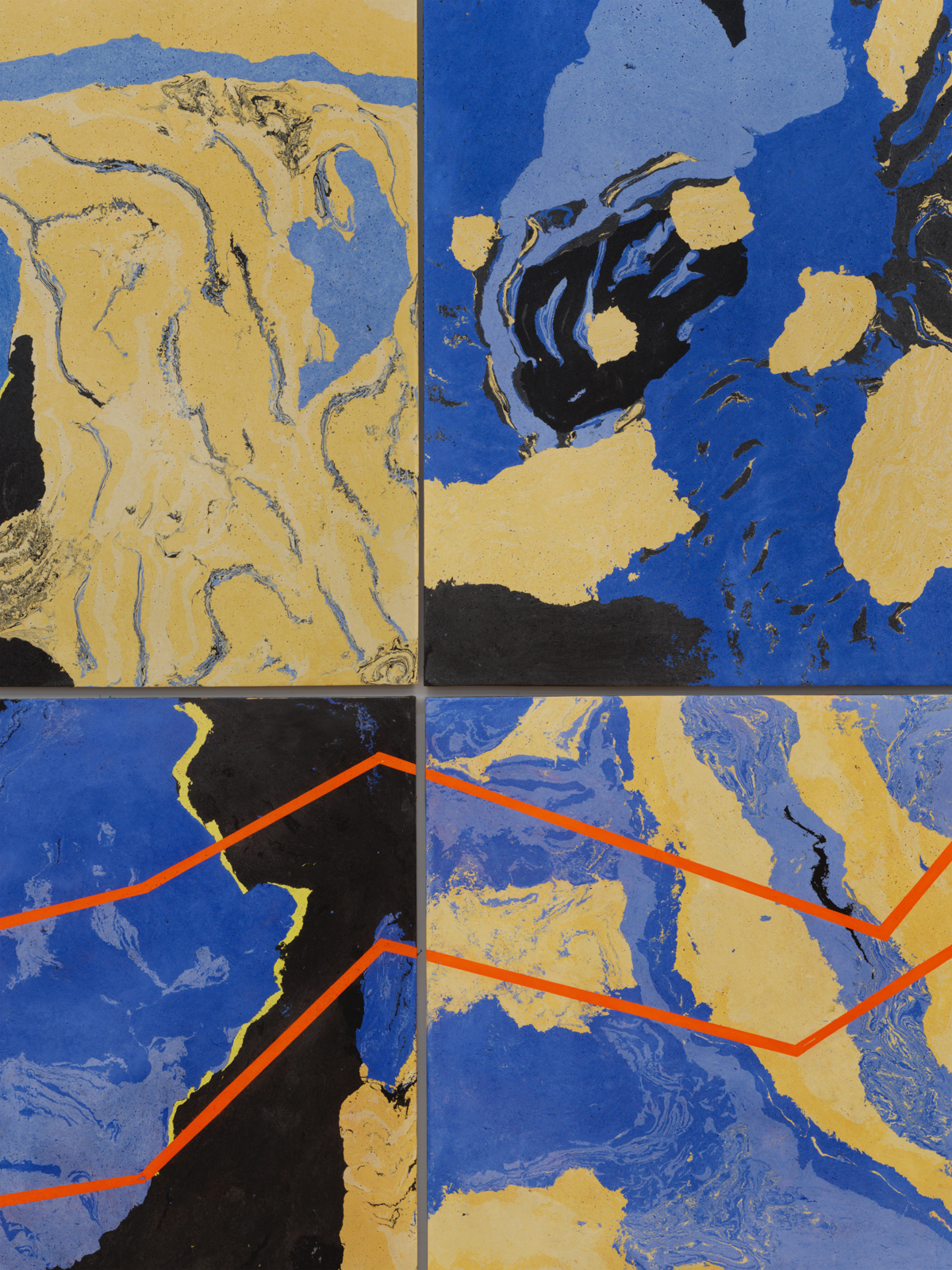
Detail of Distribution of Wealth Chart versus Geological Strata 2021,
Stuckmarmor on 18 aluminium,
Panels, 661 x 28 5 x 2,7 cm.
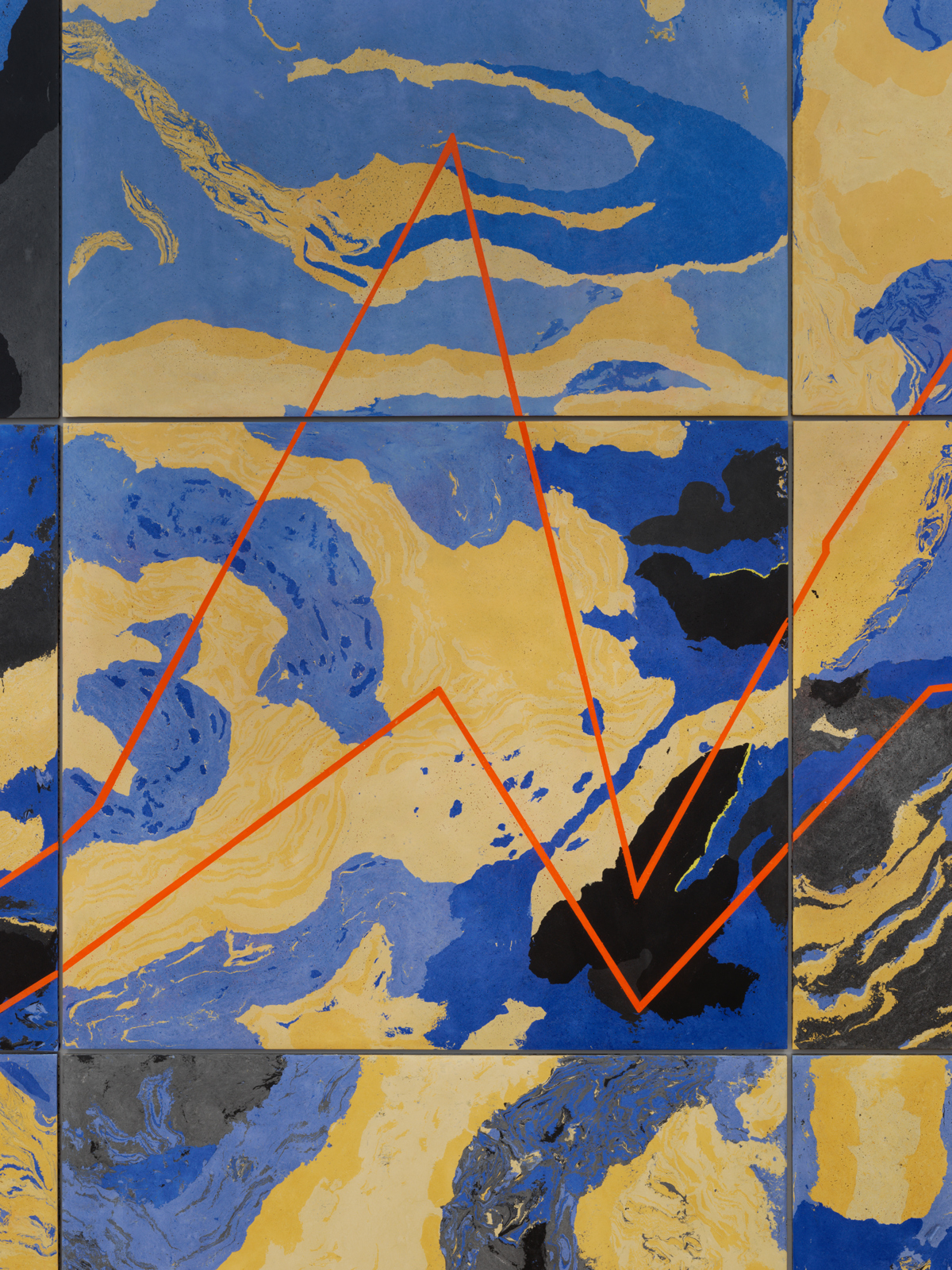
Detail of Distribution of Wealth Chart versus Geological Strata 2021,
Stuckmarmor on 18 aluminium,
Panels, 661 x 28 5 x 2,7 cm.
Walking through the town I followed a pattern on the pavement that became the magnified silhouette of a woman's profile
England's Creative Coast's Waterfronts project with Towner Eastbourne
Curated by Tamsin Dillon
May 29 – November 12, 2021
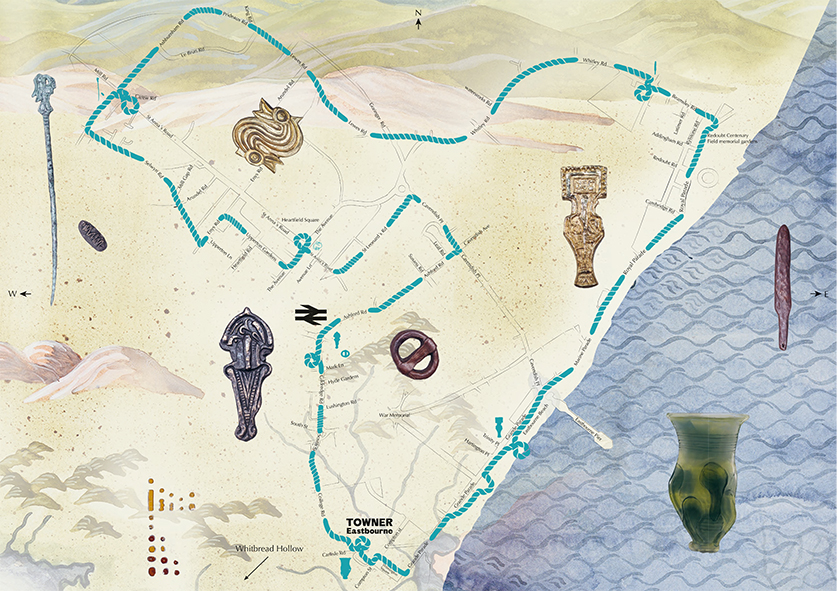
Inspired by local archaeological sites, artist Mariana Castillo Deball has created a public artwork that plays out across the streets of Eastbourne, into Towner Eastbourne's gallery building and out to the South Downs. Walking through the town I followed a pattern on the pavement that became the magnified silhouette of a woman's profile is, explains Castillo Deball, "a work that can be experienced as an image, a walking path or a narrative". On this two-hour walking route around the streets of Eastbourne, pedestrians will discover a chalk-stenciled rope that traces an unexpected route through the town, outlining the silhouette of a woman's profile. Followers of the walking trail will encounter several sculptural objects embedded in the pavement, each relating to objects that were buried with The Frankish Woman, whose ancient remains were discovered in Eastbourne at the Anglo-Saxon cemetery on St Anne's Hill. The locations for the objects are shown on the map as a loop in the rope. A third element to the work takes place at Whitbread Hollow on the South Downs where the shape of a giant hairpin, the most magnificent of the funerary objects, will be inscribed in chalk. In contrast to the nearby Celtic hill figure, The Long Mari of Wilmington which is cut into the chalk a few miles north-east of Eastbourne, Castillo Deball's geoglyph will be evanescent, disappearing over time. Visit towner.gallery/CreativeCoast for more details on this work and how to see it. Alongside her Waterfronts commission, Castillo Deball has curated an exhibition for Towner Eastbourne. A drawing, a story and a poem go for a Walk will run from 29 May 2021 to 16 January 2022.
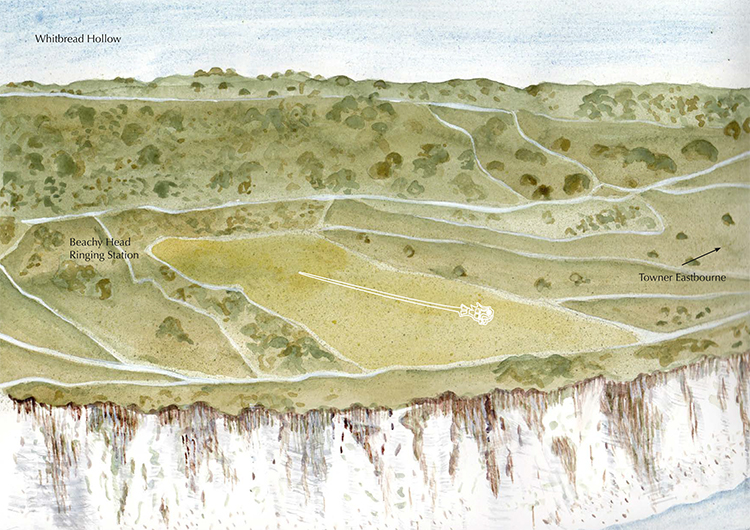
printed map on the occasion of the public artwork Walking through the town i followed a pattern on the pavement that became the magnified silhouette of a woman´s profile
Beachy Head, Head pin geoglyph location. 2021
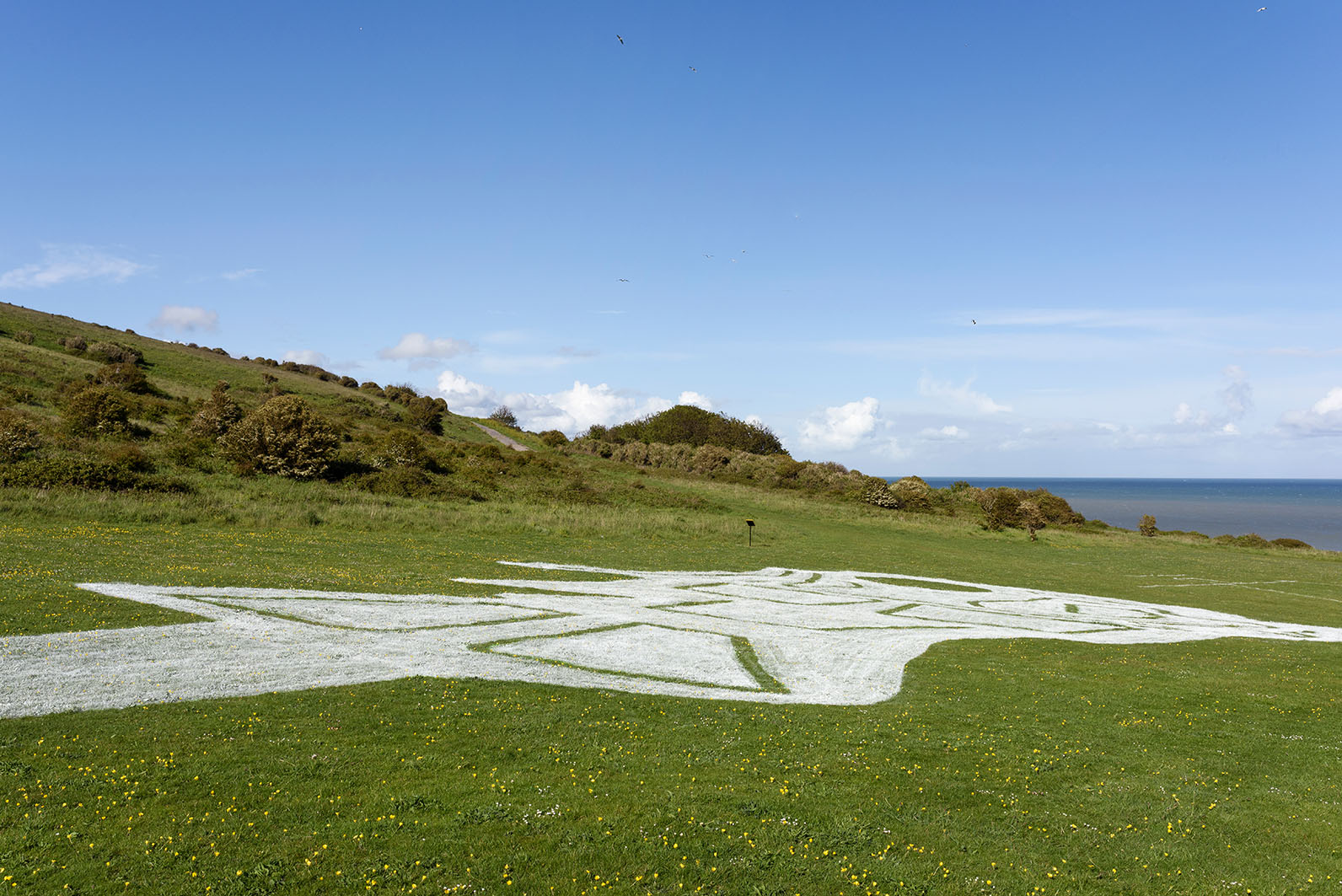
Installation view of the public artwork Walking through the town i followed a pattern on the pavement that became the magnified silhouette of a woman´s profile, Waterworks, Creative Coast Project, Eastbourne, England, 2021.
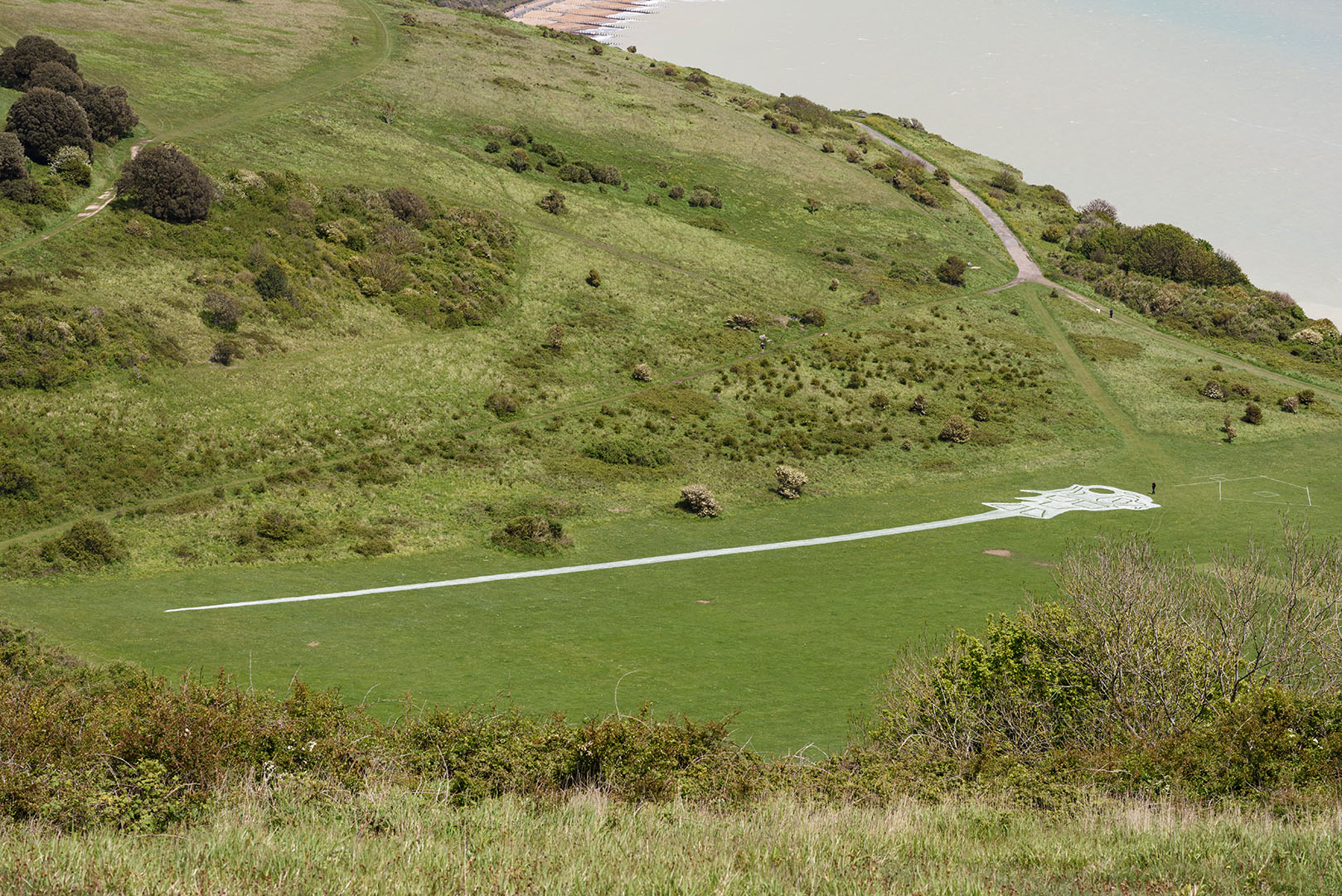
Installation view of the public artwork Walking through the town i followed a pattern on the pavement that became the magnified silhouette of a woman´s profile, Waterworks, Creative Coast Project, Eastbourne, England, 2021.
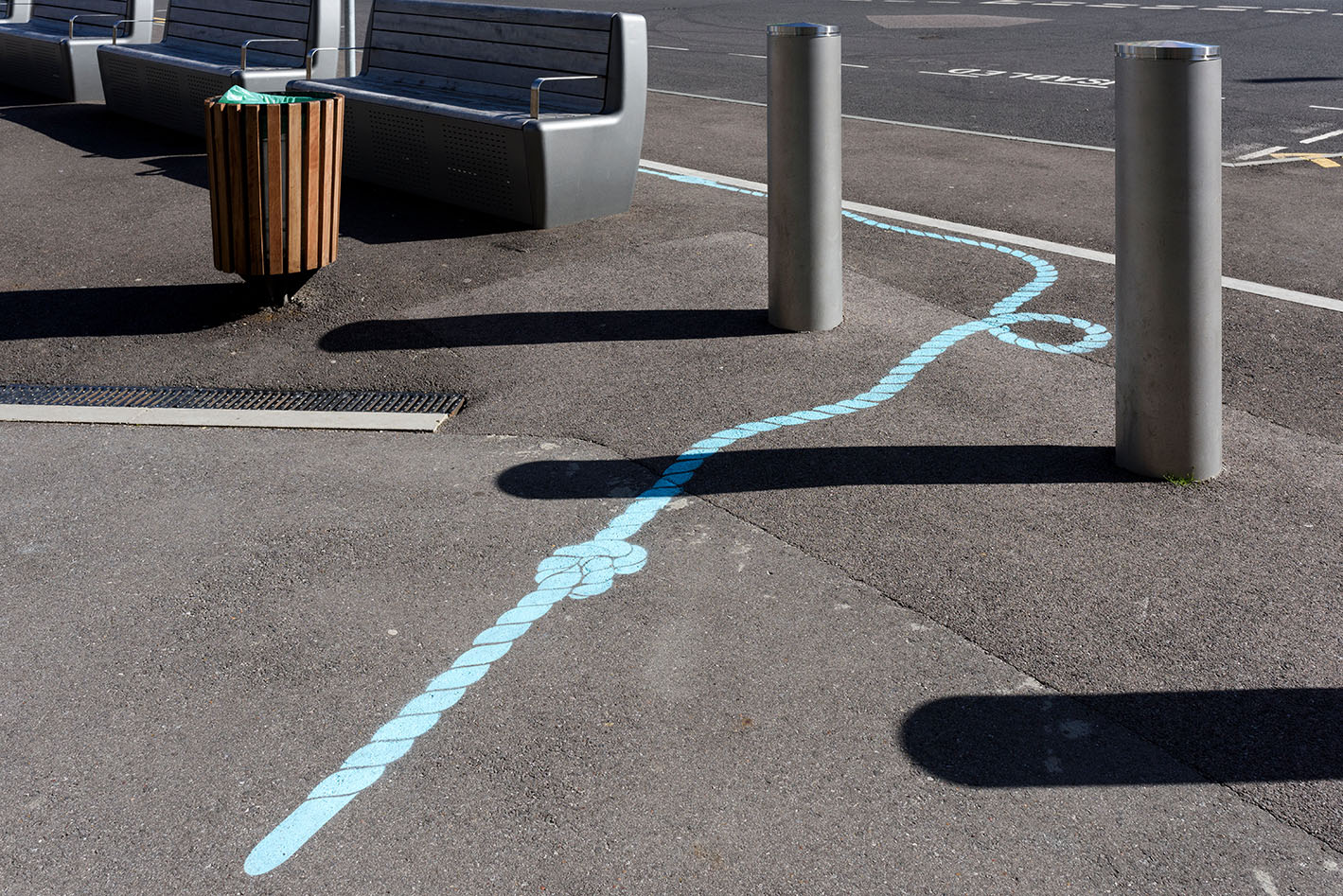
Installation view of the public artwork Walking through the town i followed a pattern on the pavement that became the magnified silhouette of a woman´s profile, Waterworks, Creative Coast Project, Eastbourne, England, 2021.
Photo © Thierry Bal
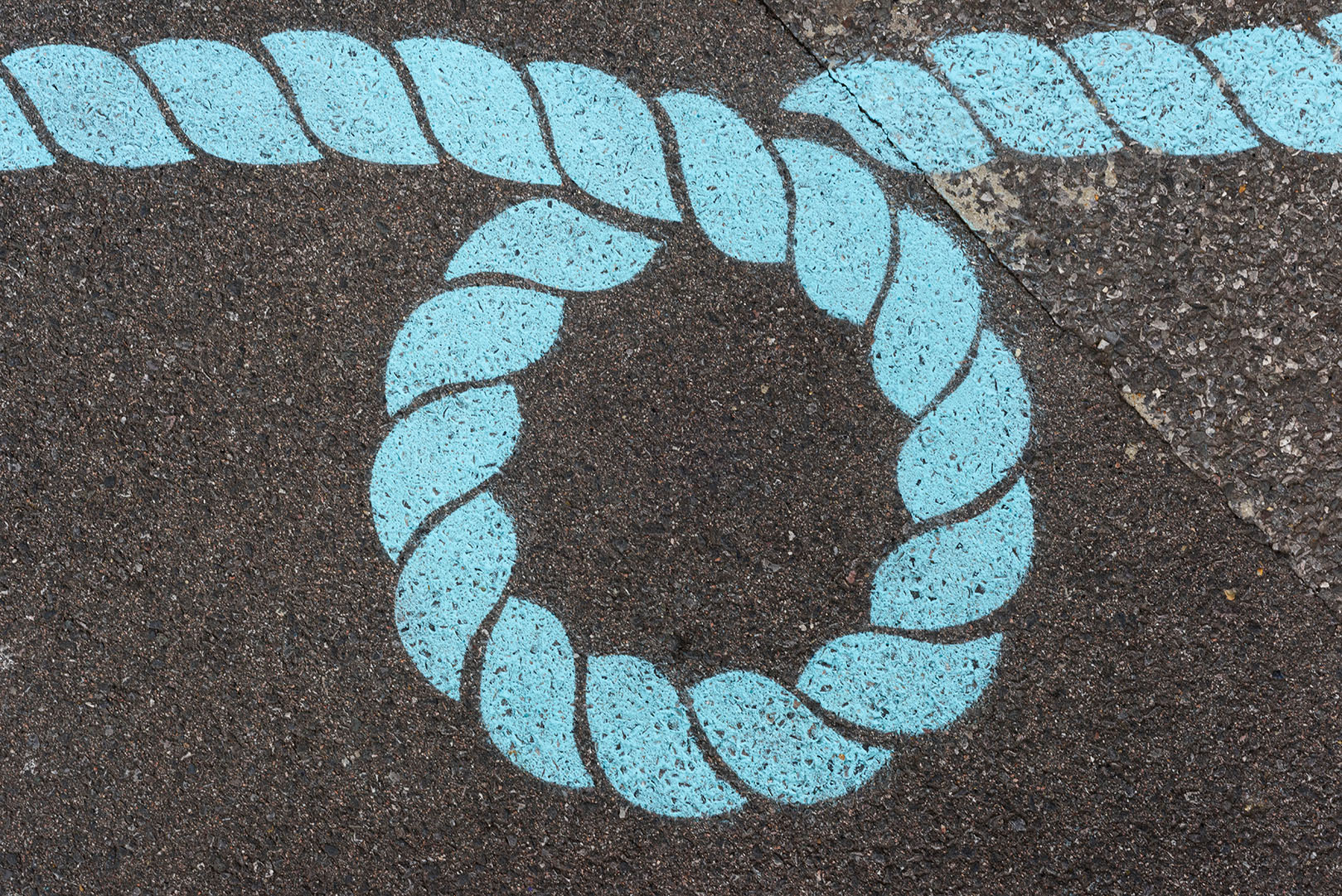
Walking through the town i followed a pattern on the pavement that became the magnified silhouette of a woman´s profile, Waterfronts, Creative Coast Project, Eastbourne, England, 2021. Photo Thierry Bal
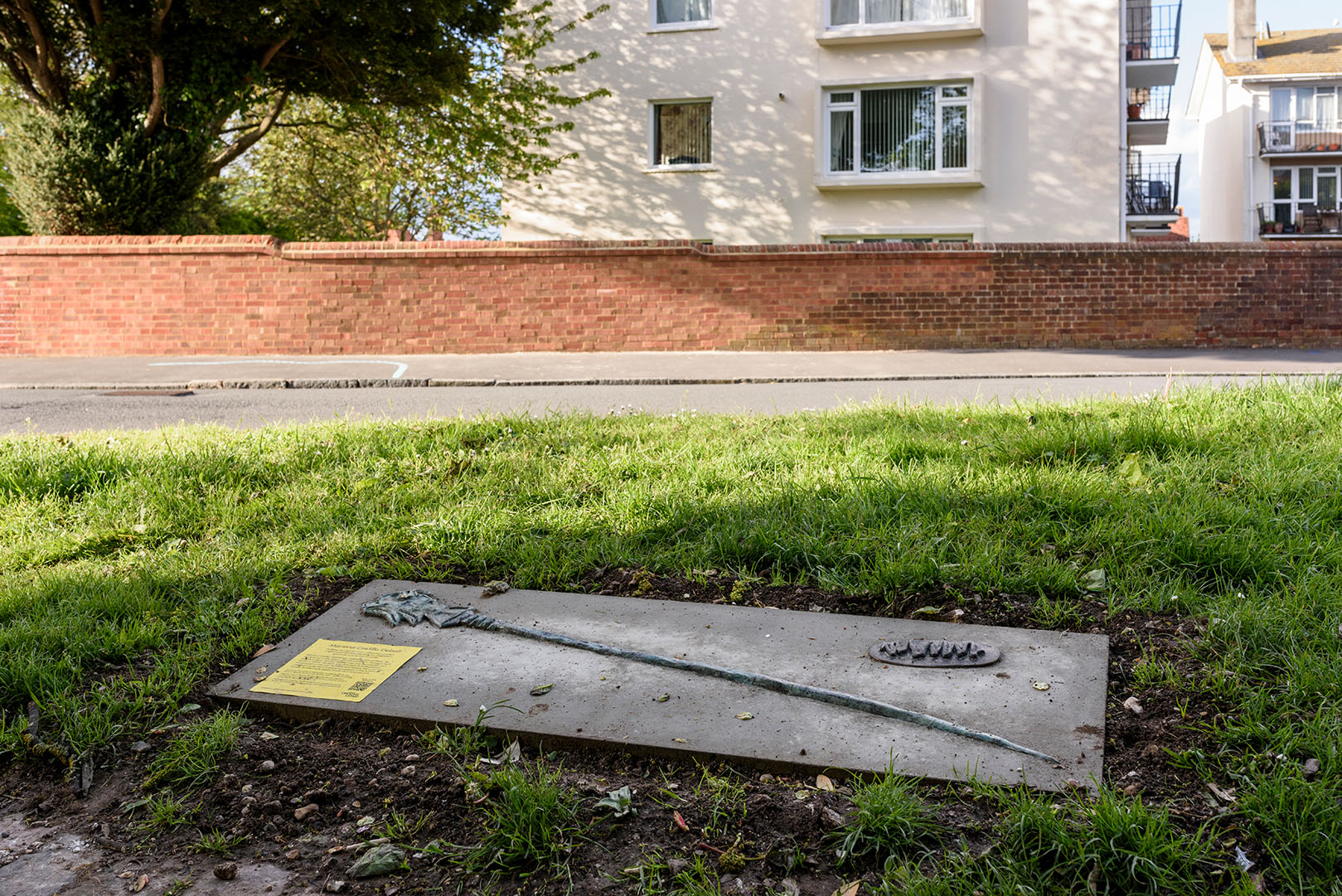
Installation view of the public artwork Walking through the town i followed a pattern on the pavement that became the magnified silhouette of a woman´s profile, Waterworks, Creative Coast Project, Eastbourne, England, 2021.
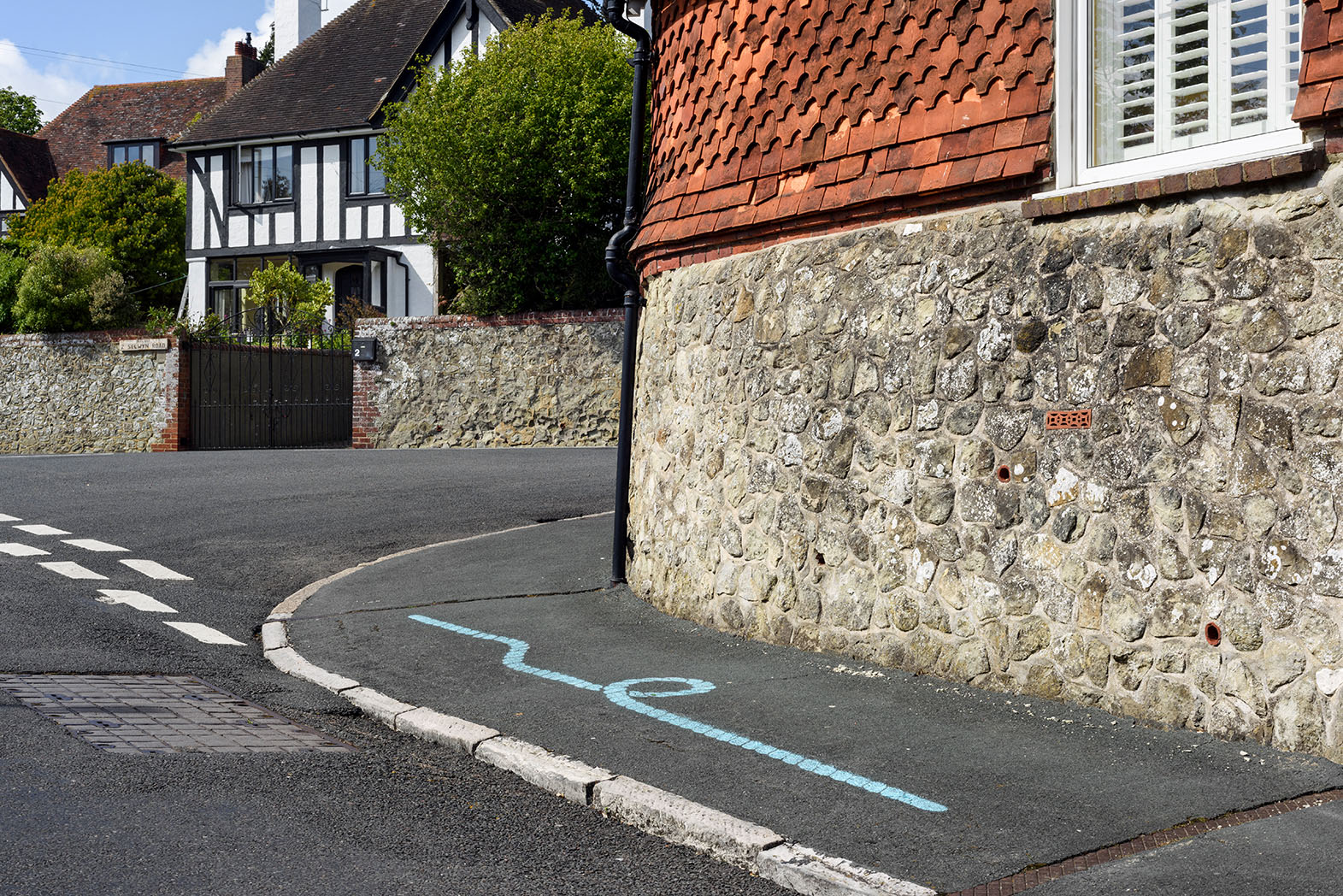
Installation view of the public artwork Walking through the town i followed a pattern on the pavement that became the magnified silhouette of a woman´s profile, Waterworks, Creative Coast Project, Eastbourne, England, 2021.
Photo © Thierry Bal
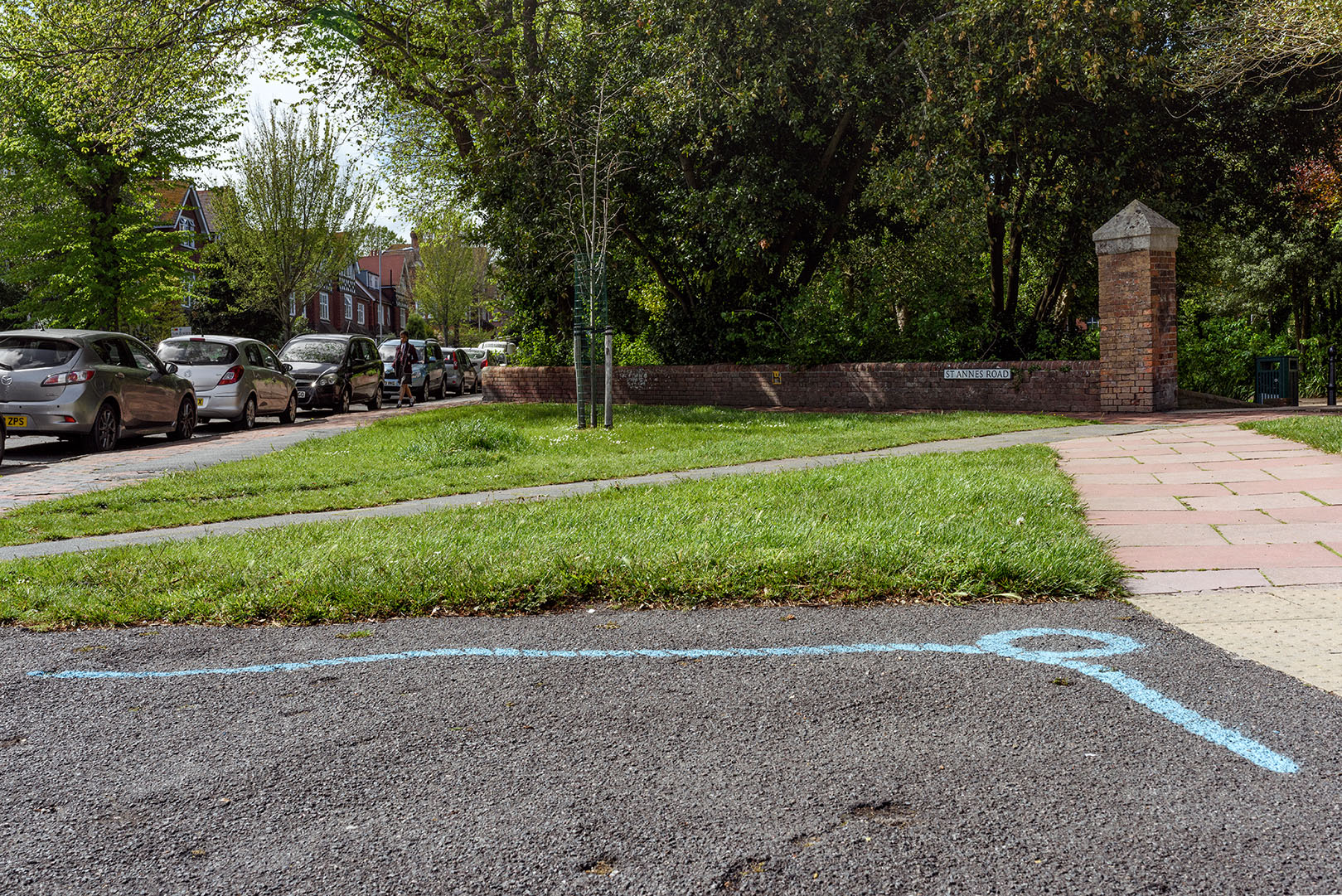
Installation view of the public artwork Walking through the town i followed a pattern on the pavement that became the magnified silhouette of a woman´s profile, Waterworks, Creative Coast Project, Eastbourne, England, 2021.
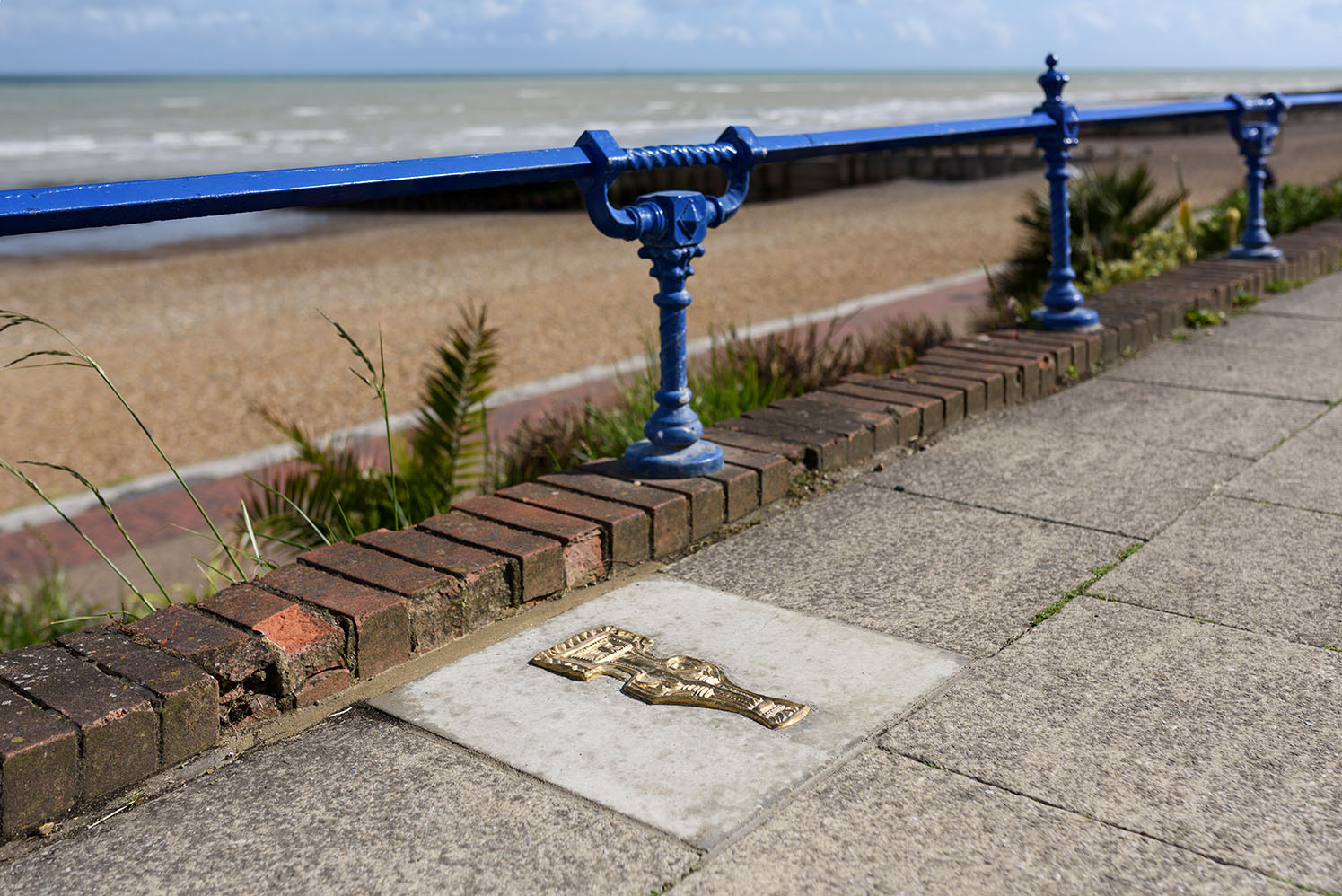
Installation view of the public artwork Walking through the town i followed a pattern on the pavement that became the magnified silhouette of a woman´s profile, Waterworks, Creative Coast Project, Eastbourne, England, 2021.
Photo © Thierry Bal
Installation view of the public artwork Walking through the town i followed a pattern on the pavement that became the magnified silhouette of a woman´s profile, Waterworks, Creative Coast Project, Eastbourne, England, 2021.
Photo © Thierry Bal
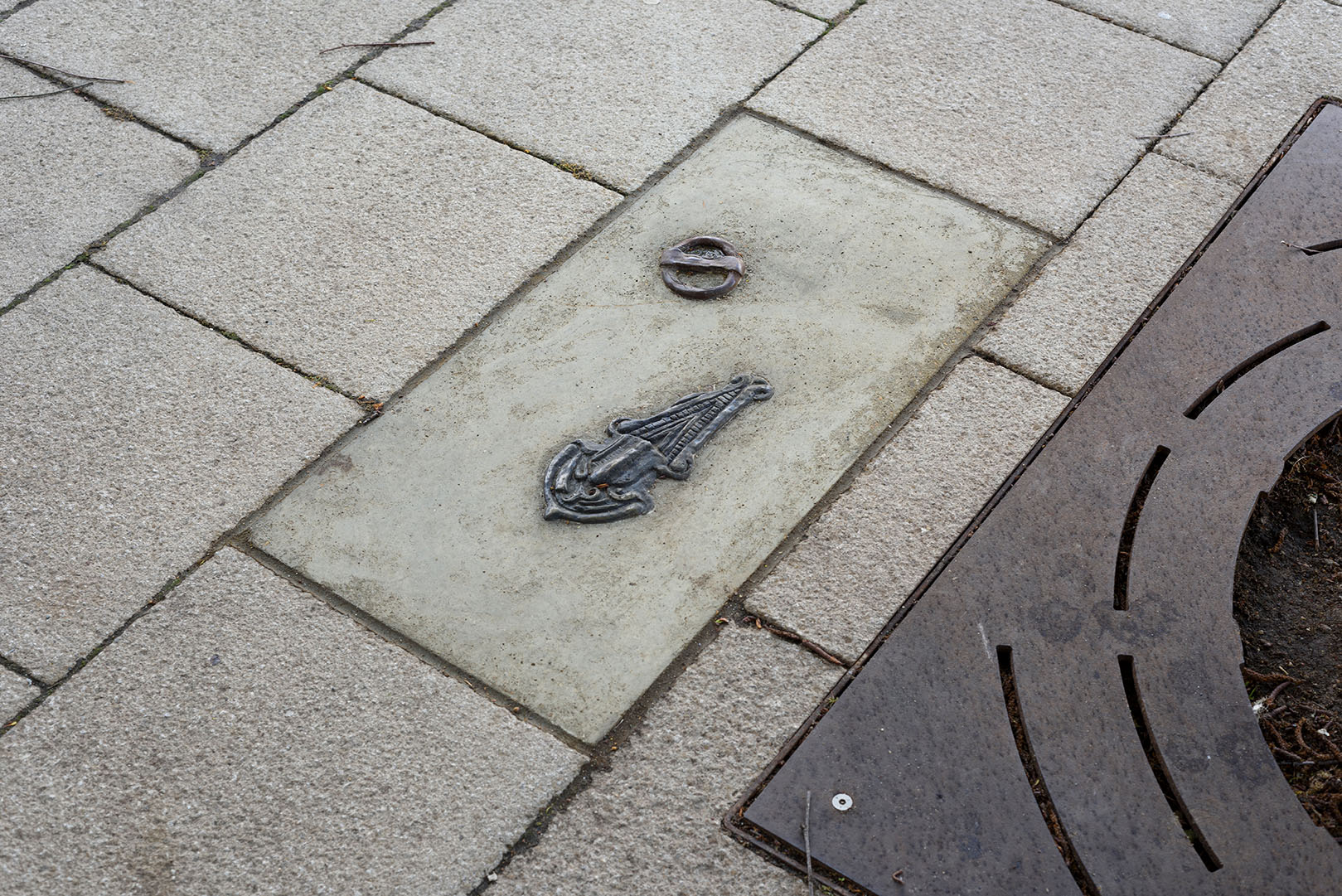
Installation view of the public artwork Walking through the town i followed a pattern on the pavement that became the magnified silhouette of a woman´s profile, Waterworks, Creative Coast Project, Eastbourne, England, 2021.
Forbidden symmetries
Permanent installation at Rathausumfeld Wedding, Berlin-Mitte, Germany
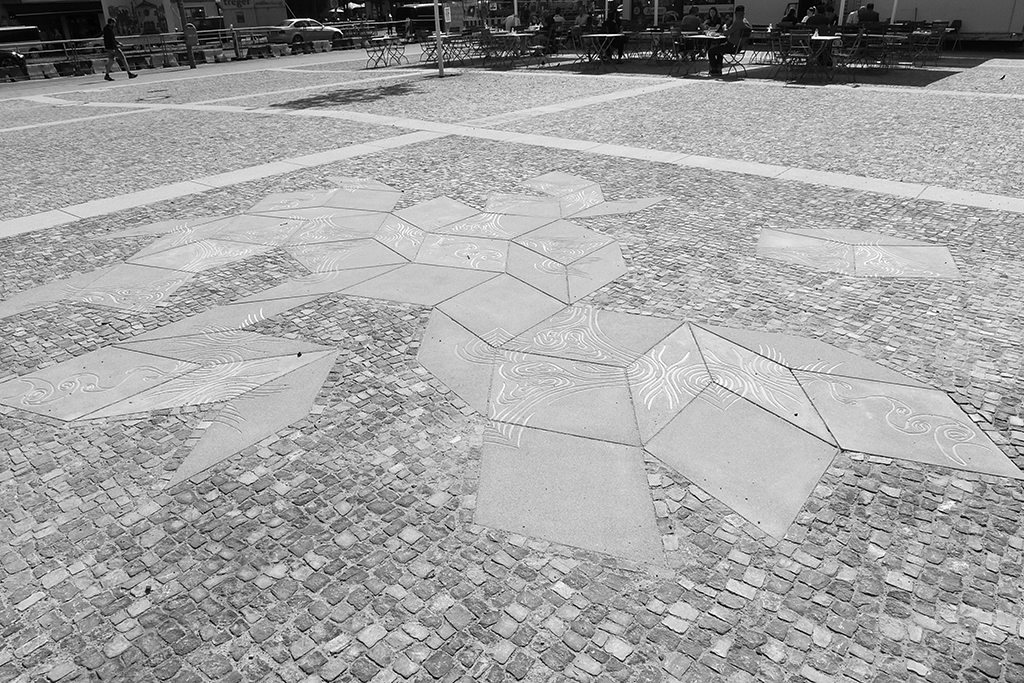
Installation view of Forbidden symmetries, public art work installed at Freiraumgestaltung Rathausumfeld Wedding in Berlin-Mitte, Berlin, Germany.
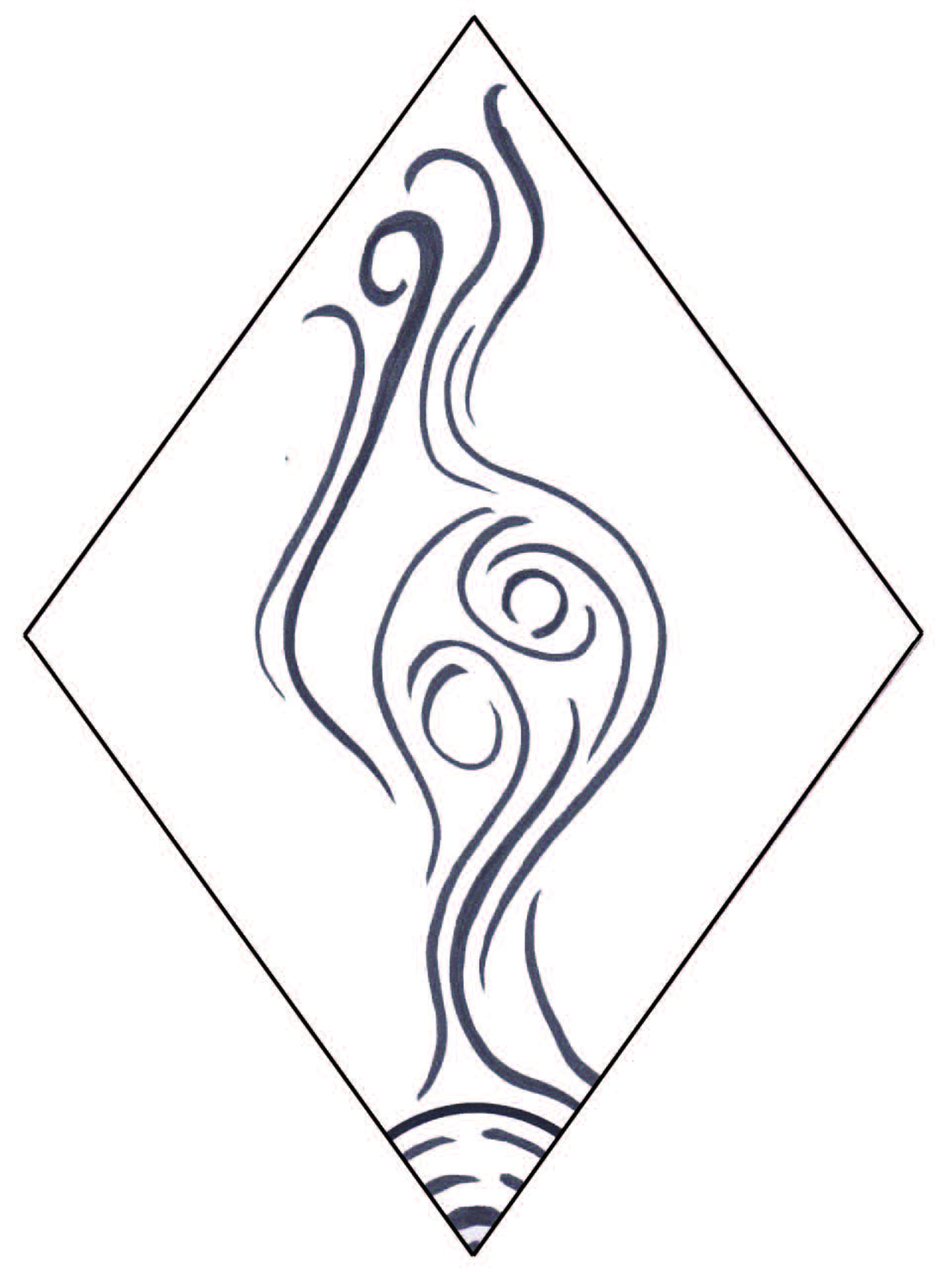
Sketch: Forbidden symmetries
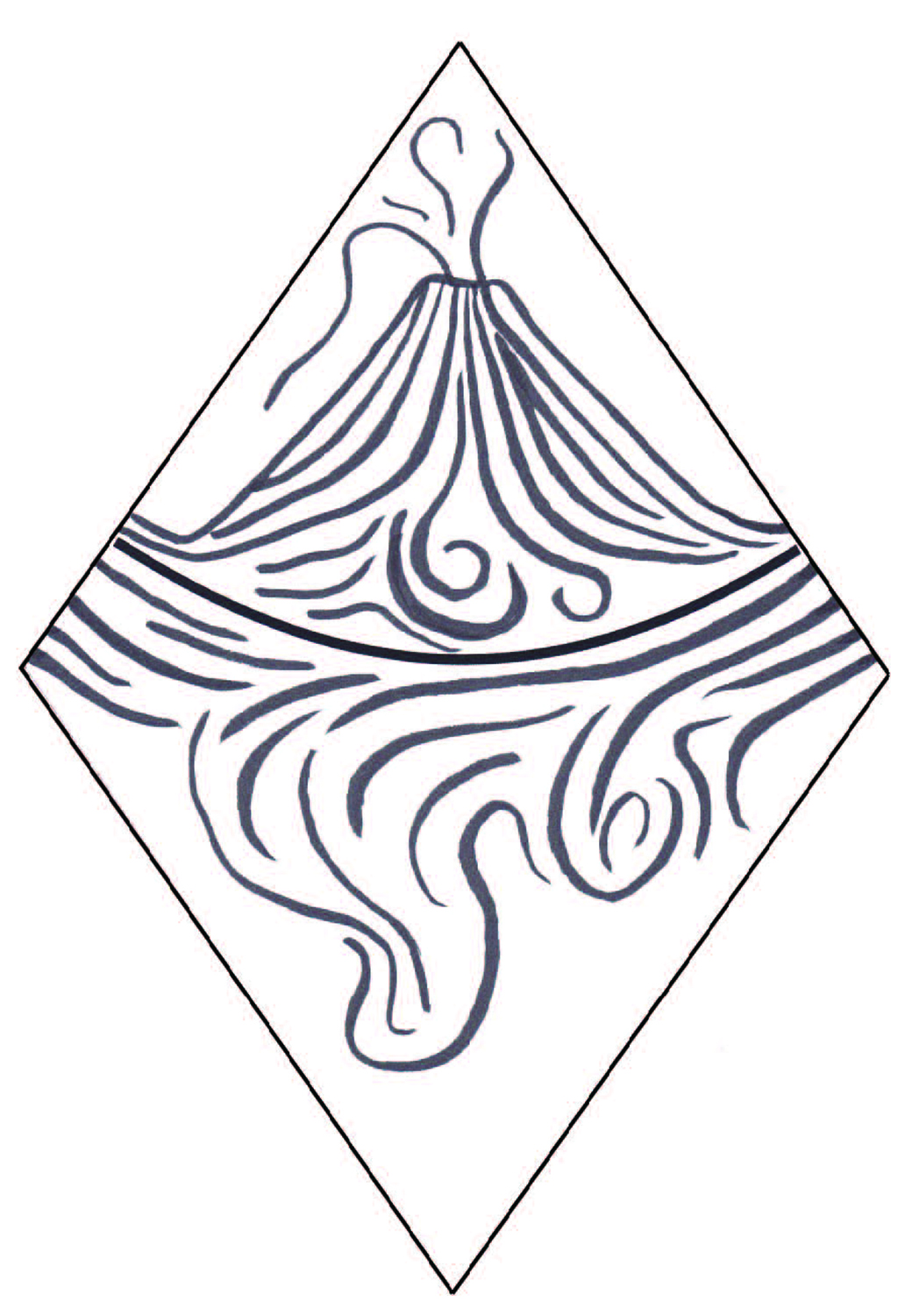
Sketch: Forbidden symmetries
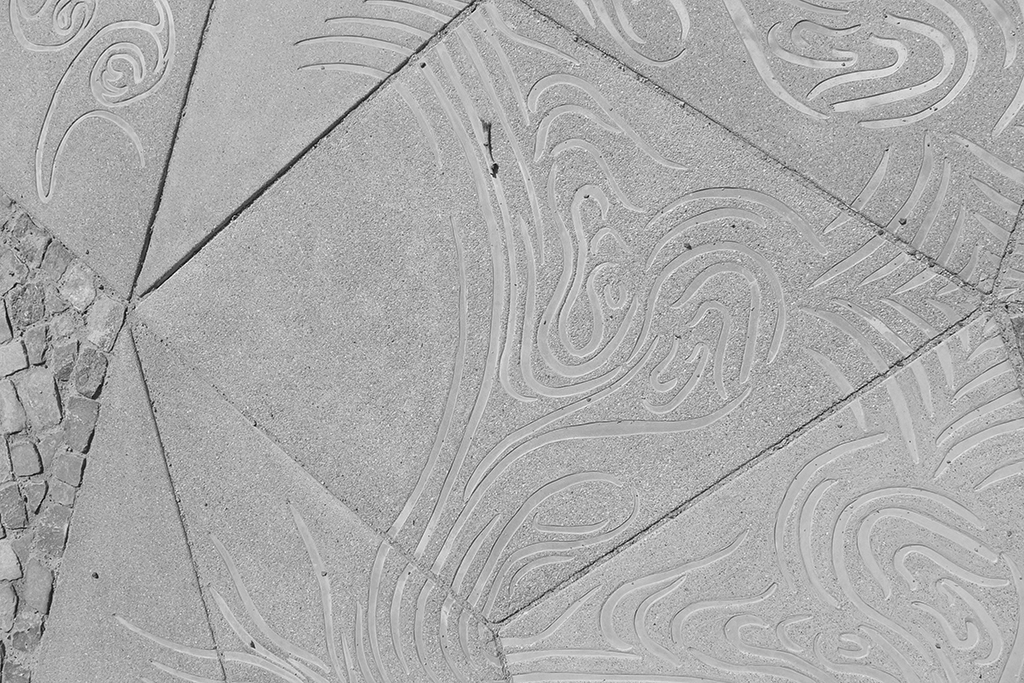
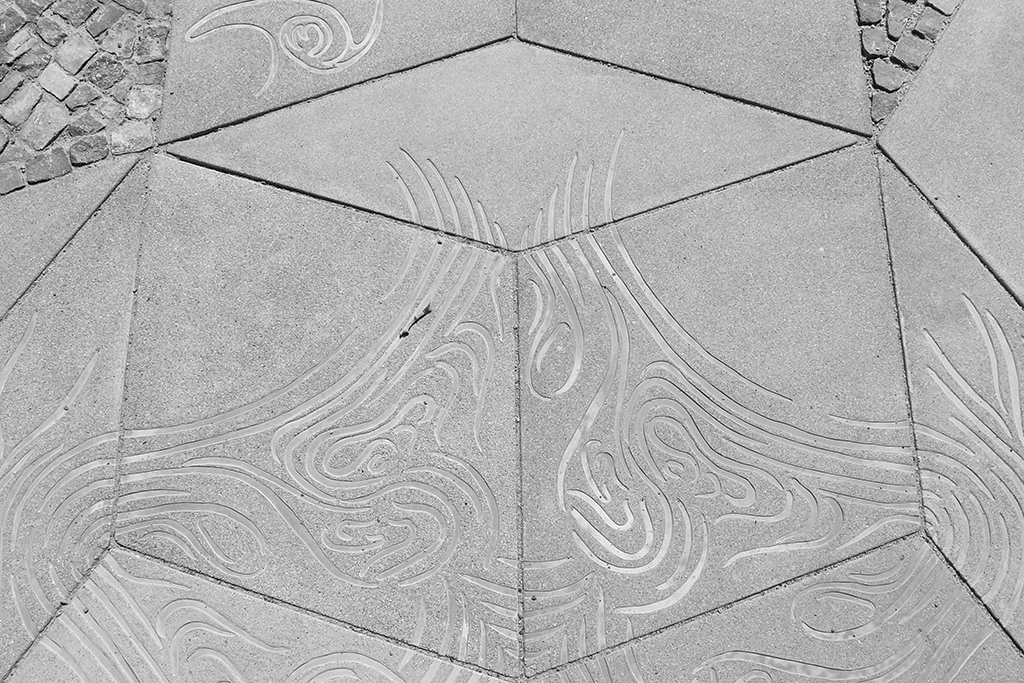
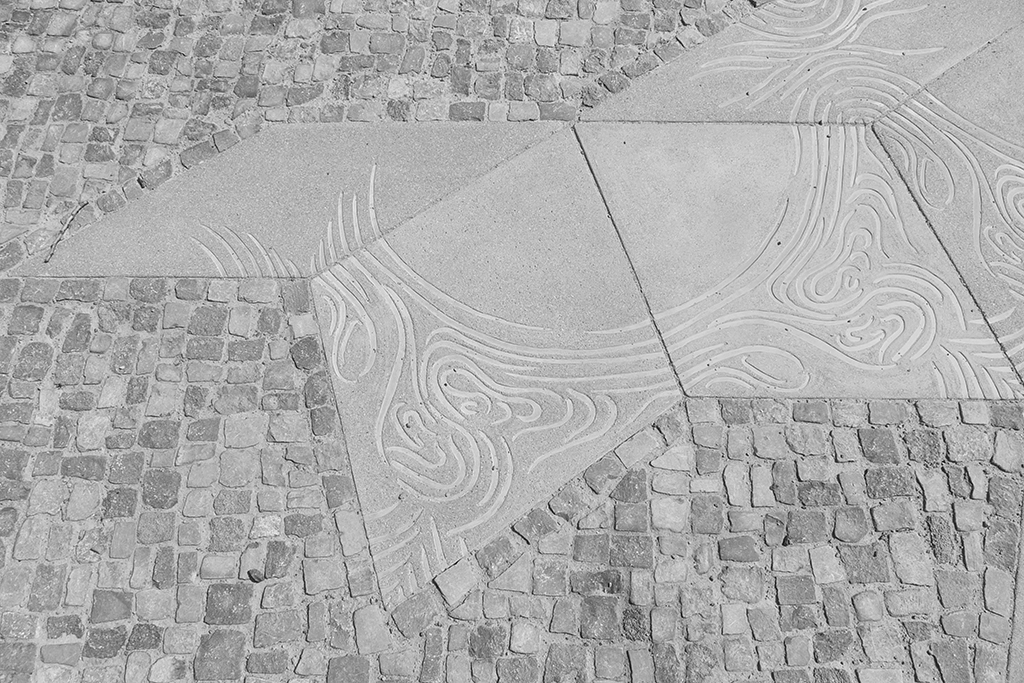
Floor piece consisting of 45 concrete tiles, based on Penrose tiles, which conform both a pattern and an ornamental map. Symmetrical shapes such as rectangles and triangles can cover a plane with neither gap nor overlap, and in an ever-repeating pattern. Repeated patterns are called “periodic” because even if you move a pattern from place to place, it looks always the same. The British mathematician Roger Penrose tried to imagine a set of tiles that could be used to cover an infinite plane in a pattern that never repeats. To be precise, he was interested in “aperiodic” tiling, a set of tiles that could cover an infinite plane, without the tiling pattern ever repeating itself. That was a challenge because he couldn’t use tiles with two, three, four, or six axes of symmetry—rectangles, triangles, squares, and hexagons—because on an infinite plane they would result in periodic patterns. That meant he had to rely on shapes believed to leave gaps in the tiling of a plane—those with forbidden symmetries.
Tiling based on a pentagon was thought impossible, a forbidden symmetry, but in the early 1970’s, Roger Penrose discovered that a surface can be completely tiled in an asymmetrical, non-repeating manner with just two shapes based on phi, now known as “Penrose tiles.” What is special about Penrose tiles is that even though he derived his tiles from the lines and angles of pentagons, his shapes leave no gaps.
They snug together perfectly, twisting and turning across the plane, always coming close to repetition, but never quite getting there. This is accomplished by creating a set of two symmetrical tiles, each of which is the combination of the two triangles found in the geometry of the pentagon. Based a set of Penrose tiles, I developed a series of ornamental tiles to depict a modular topography, an imaginary landscape.
By creating an ornament following the rules of the Penrose tile, the pattern becomes alive, and allows the viewer to get lost in the intricate possibilities.Thanks to the ornament, we can wander endlessly like a dance though the pattern. According to British anthropologist Alfred Gell, complex patterns, by their multiplicity and the difficulty we have in grasping their mathematical basis by mere visual inspection, generate relationships over time between persons and things, because what they present to the eye is, cognitively speaking, always unfinished business.
The ornament complexity exceeds the viewer’s ability to organize the visual field, entrapping him in a kind of cognitive limbo, in never ending exchange. Gell describes this capacity of visual patterns as ‘cognitive sickness, the pleasurable frustration of the eye being trapped within a rhythmic surface, the mazy dance in which our eyes become lost.
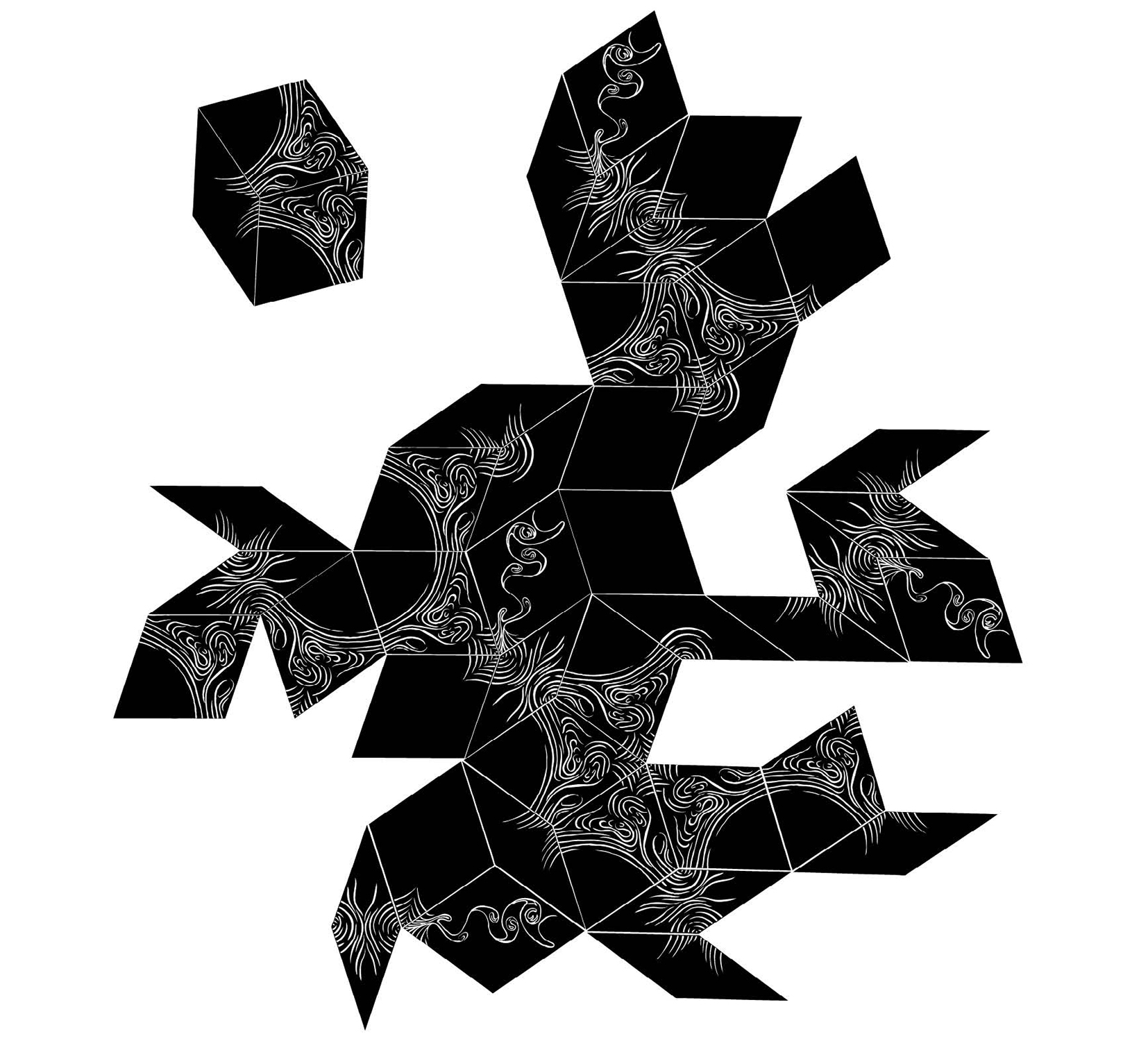
Sketch: Forbidden symmetries
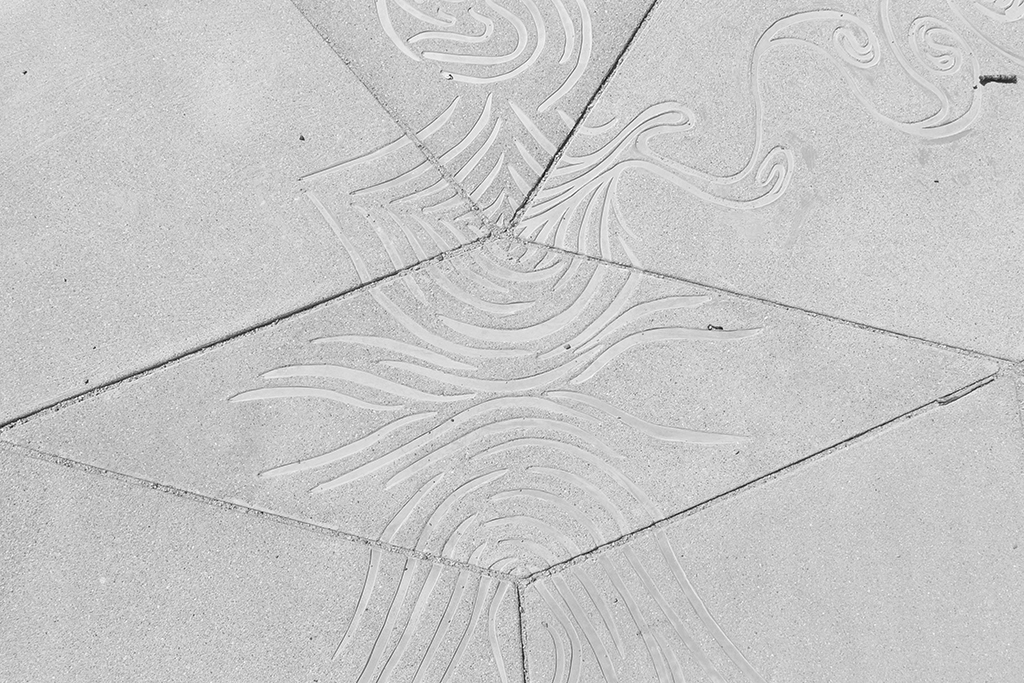
Installation view of Forbidden symmetries, public art work installed at Freiraumgestaltung Rathausumfeld Wedding in Berlin-Mitte, Berlin, Germany.
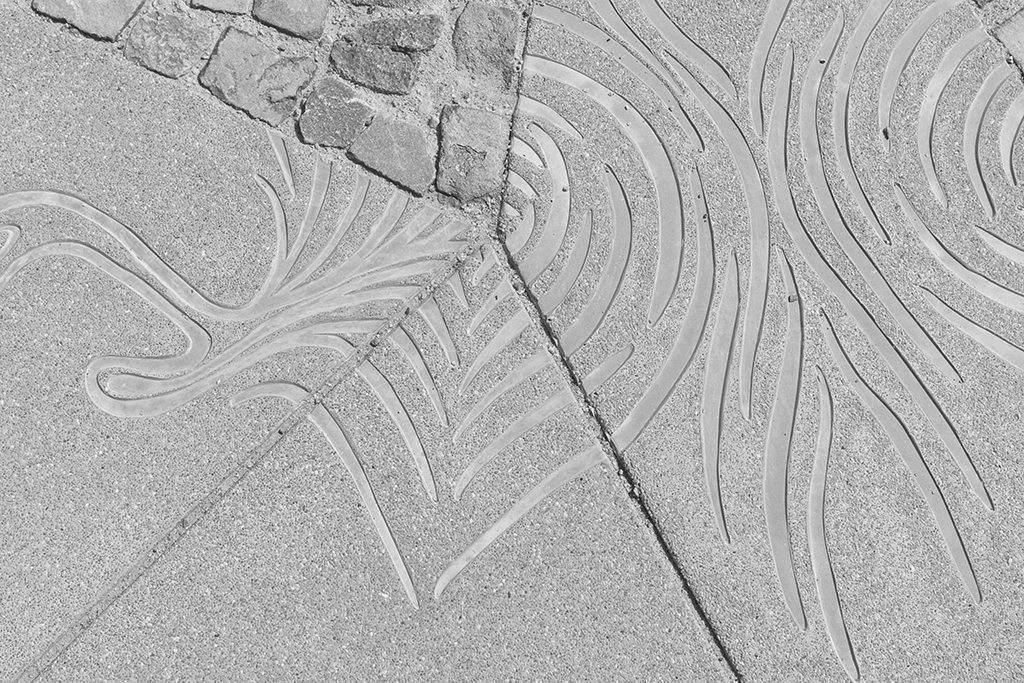
Installation view of Forbidden symmetries, public art work installed at Freiraumgestaltung Rathausumfeld Wedding in Berlin-Mitte, Berlin, Germany.
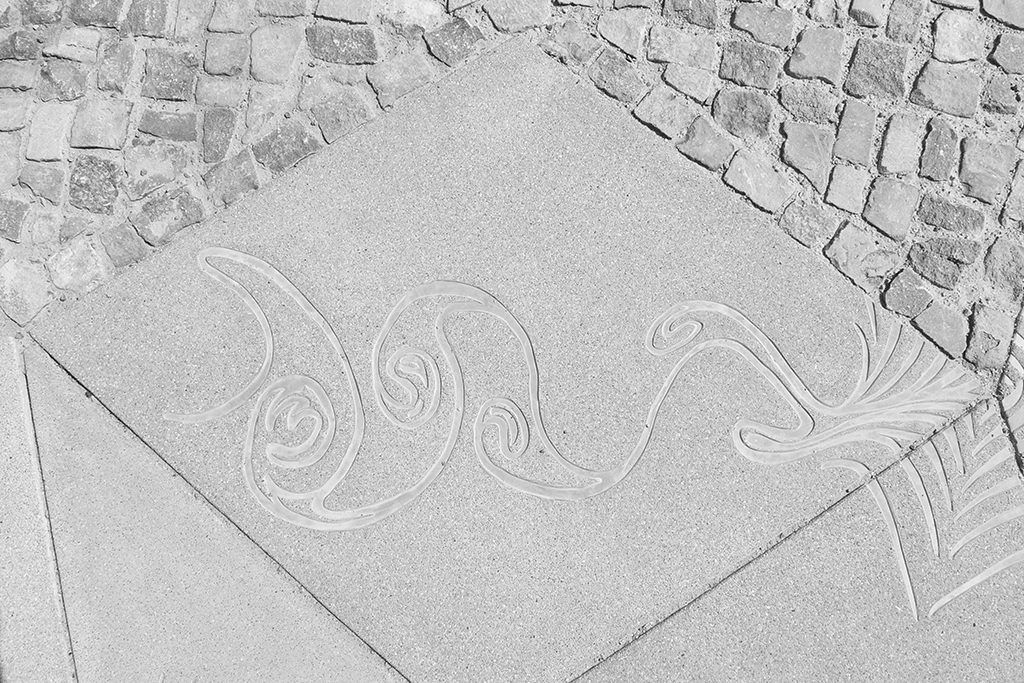
Installation view of Forbidden symmetries, public art work installed at Freiraumgestaltung Rathausumfeld Wedding in Berlin-Mitte, Berlin, Germany.
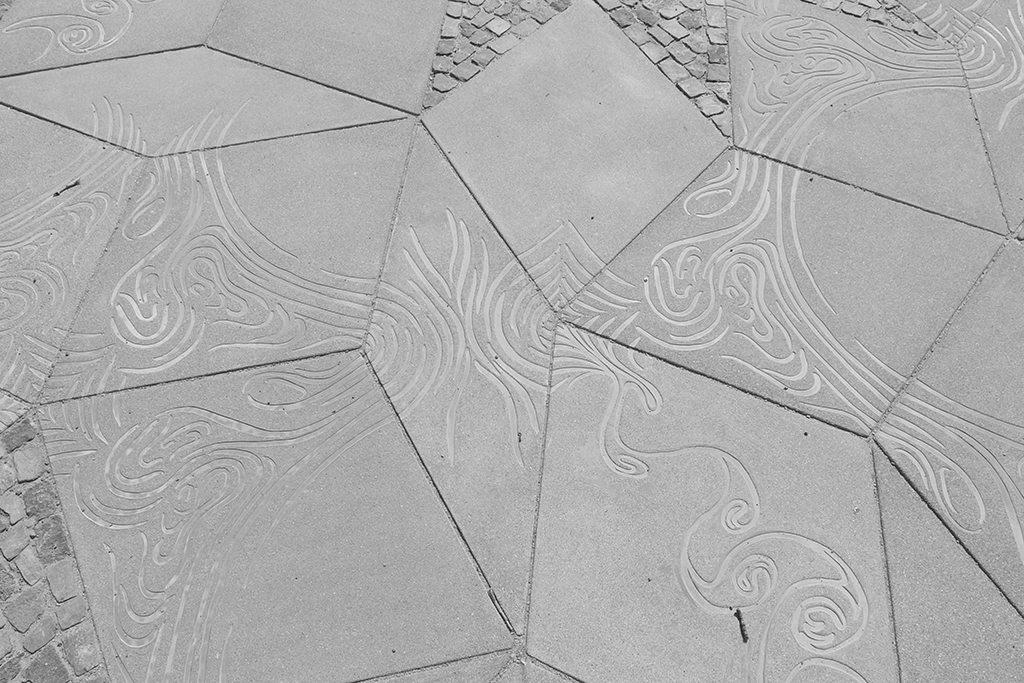
Installation view of Forbidden symmetries, public art work installed at Freiraumgestaltung Rathausumfeld Wedding in Berlin-Mitte, Berlin, Germany.
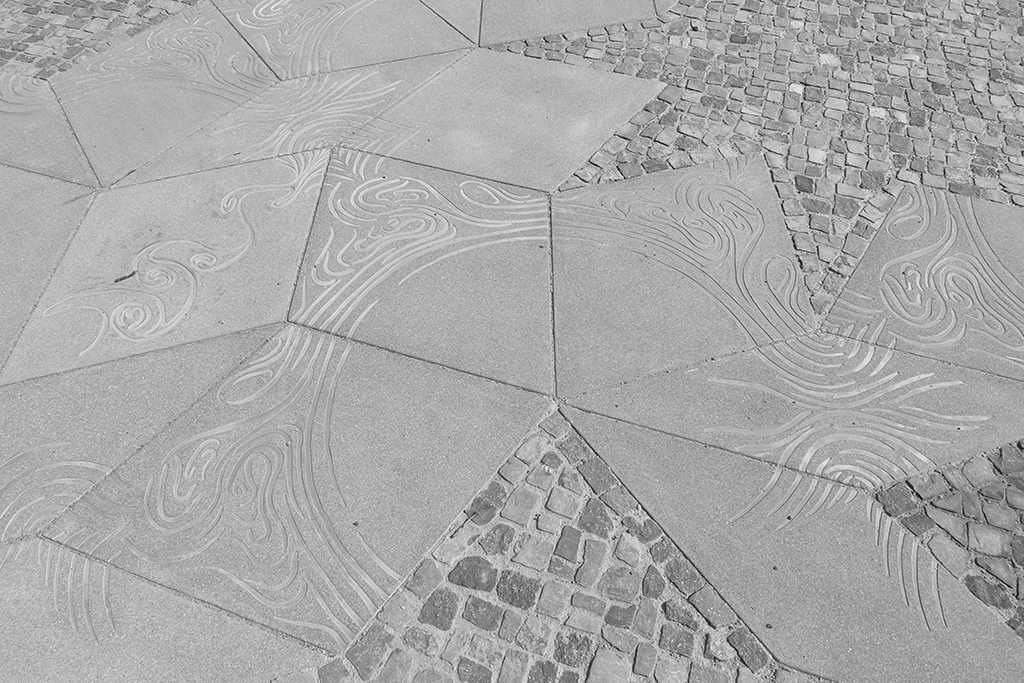
Installation view of Forbidden symmetries, public art work installed at Freiraumgestaltung Rathausumfeld Wedding in Berlin-Mitte, Berlin, Germany.
Installation view of Forbidden symmetries, public art work installed at Freiraumgestaltung Rathausumfeld Wedding in Berlin-Mitte, Berlin, Germany.
Installation view of Forbidden symmetries, public art work installed at Freiraumgestaltung Rathausumfeld Wedding in Berlin-Mitte, Berlin, Germany.
Installation view of Forbidden symmetries, public art work installed at Freiraumgestaltung Rathausumfeld Wedding in Berlin-Mitte, Berlin, Germany.
The Mapping Impulse
Permanent installation at the Noord-Hollands Archief,
Haarlem, The Netherlands, 2007
The Mapping Impulse, 2007
Steel, aluminium, wood, marble, blue limestone and glass
Noord-Hollands Archief, Haarlem, The Netherlands
“There is a fundamental dichotomy between the art of the Italian Renaissance and that of the Dutch masters: Italian art is the primary expression of a “textual culture”, this is to say of a culture which seeks emblematic, allegorical or philosophical meanings in a serious painting. The world of Dutch art, on the contrary, arises from and enacts a truly “visual culture”. It serves and energises a system of values in which meaning is not “read”, but “seen”, in which new knowledge is visually recorded.”
Svetlana Alpers, The Art of Describing: Dutch Art in the Seventeenth Century
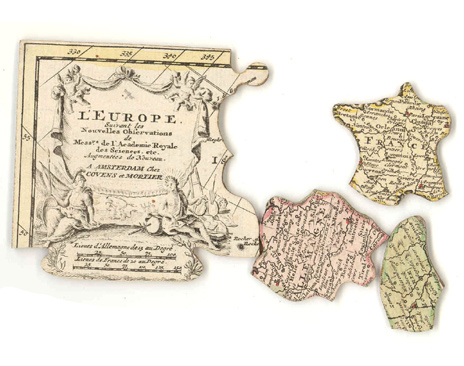
L’Europe suivant les nouvelles observations de Messrs de l’Academie Royale des Sciences Augmentées de Nouveau
Jigsaw Puzzle. Map of Europe.
Amsterdam, Covens & Mortier ca., 1750, 30 x 22,5cm.
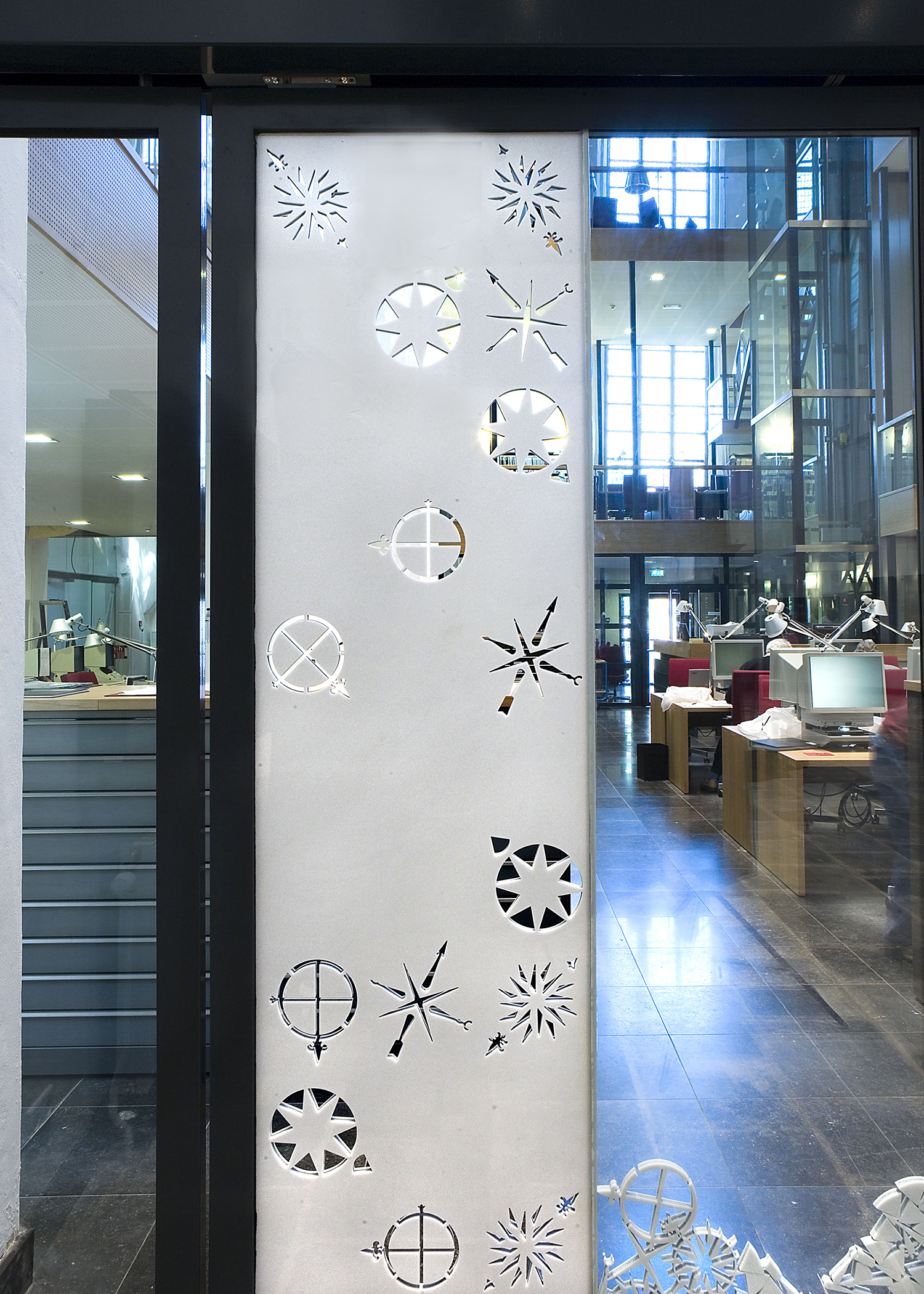
Detail: The Mapping Impulse, 2007
Steel, aluminium, wood, marble, blue limestone and glass
Noord-Hollands Archief, Haarlem, The Netherlands
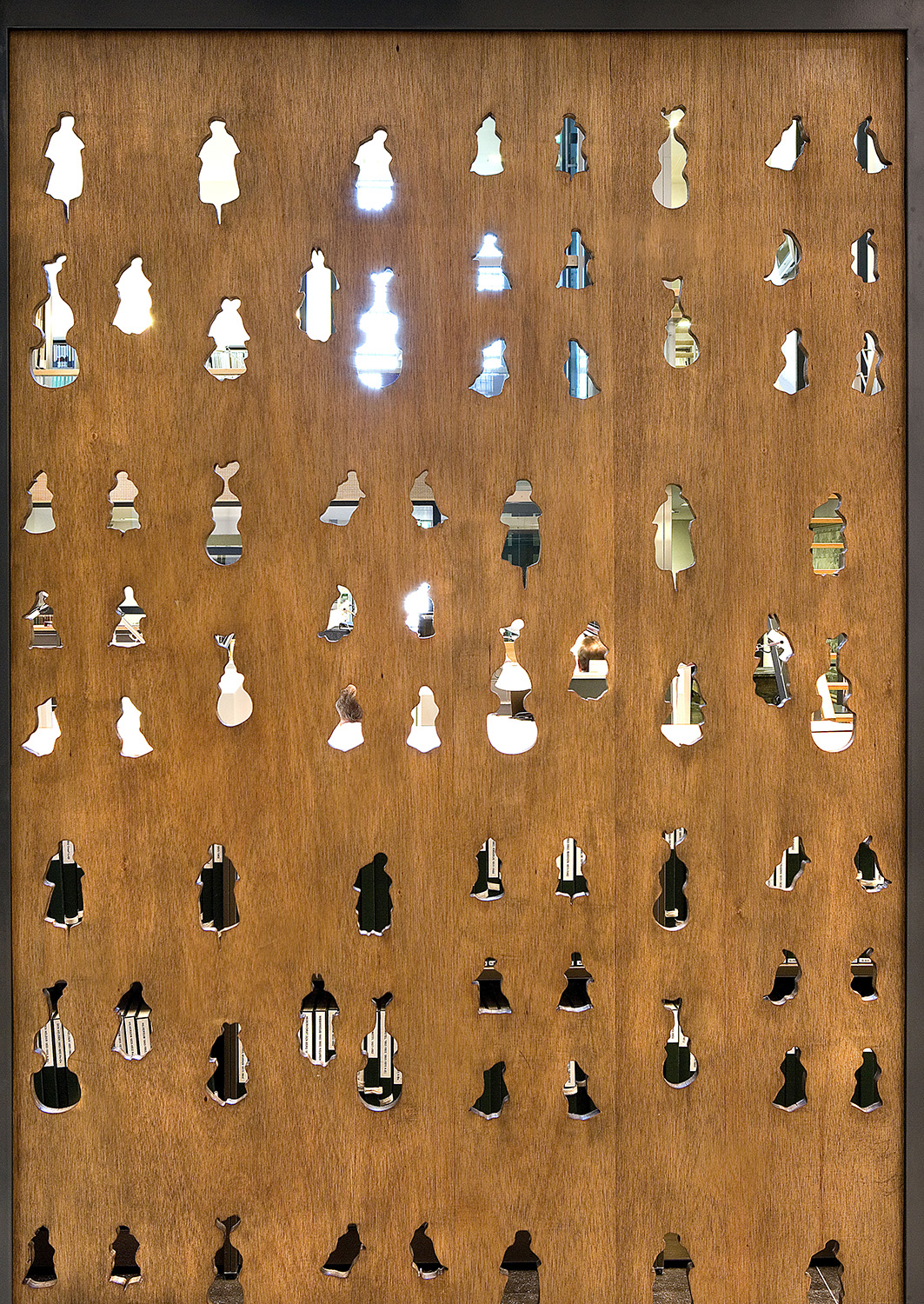
Detail: The Mapping Impulse, 2007
Steel, aluminium, wood, marble, blue limestone and glass
Noord-Hollands Archief, Haarlem, The Netherlands
Several things attracted my attention during the visits to the Noord-Hollands archief and the city of Haarlem, but there is a constant, which can be compared to what Svetlana Alpers defines as “The Mapping impulse in Dutch art”.
It is not a coincidence that The Dutch were the first ones who produced maps as wall hangings and probably the first jigsaw puzzle (from a map). This shows only a part of the wide production, dissemination, and use of maps throughout the society. Mapping in the 16th century was a common, even a casually acquired skill. Each man made at least a single map in a lifetime. It seems to have been an accepted way to pay one’s respect to one’s home while contributing to the knowledge of it.
The Noord-Hollands Archief, and specially the Atlas section, contains a vast collection of maps, engravings, photographs and other visual material.After going through the cartography collection, it is striking to see how the countries landscape has been changing throughout the centuries. This development has two faces: the actual transformation of Dutch geography, in an attempt to gain land; and from the other hand, the quick development of cartography since the 16th century.
In the archive I could see thousands of drawings, maps and books defining and measuring land. Even the smallest piece of land has a value, a name and a use. There is also a constant exchange between water and land. Complicated plans show the drying systems and walls were made to stop the water.
In my proposal, I am working with the following elements:
a) Map making and the development of Dutch geography.
b) Defining space, exchanging values: The metaphor of the jigsaw puzzle is appropriated in the sense that water and land have been cutout, exchanged and divided, specially in the north of Holland.
c) Wind roses: signatures of the cartographers
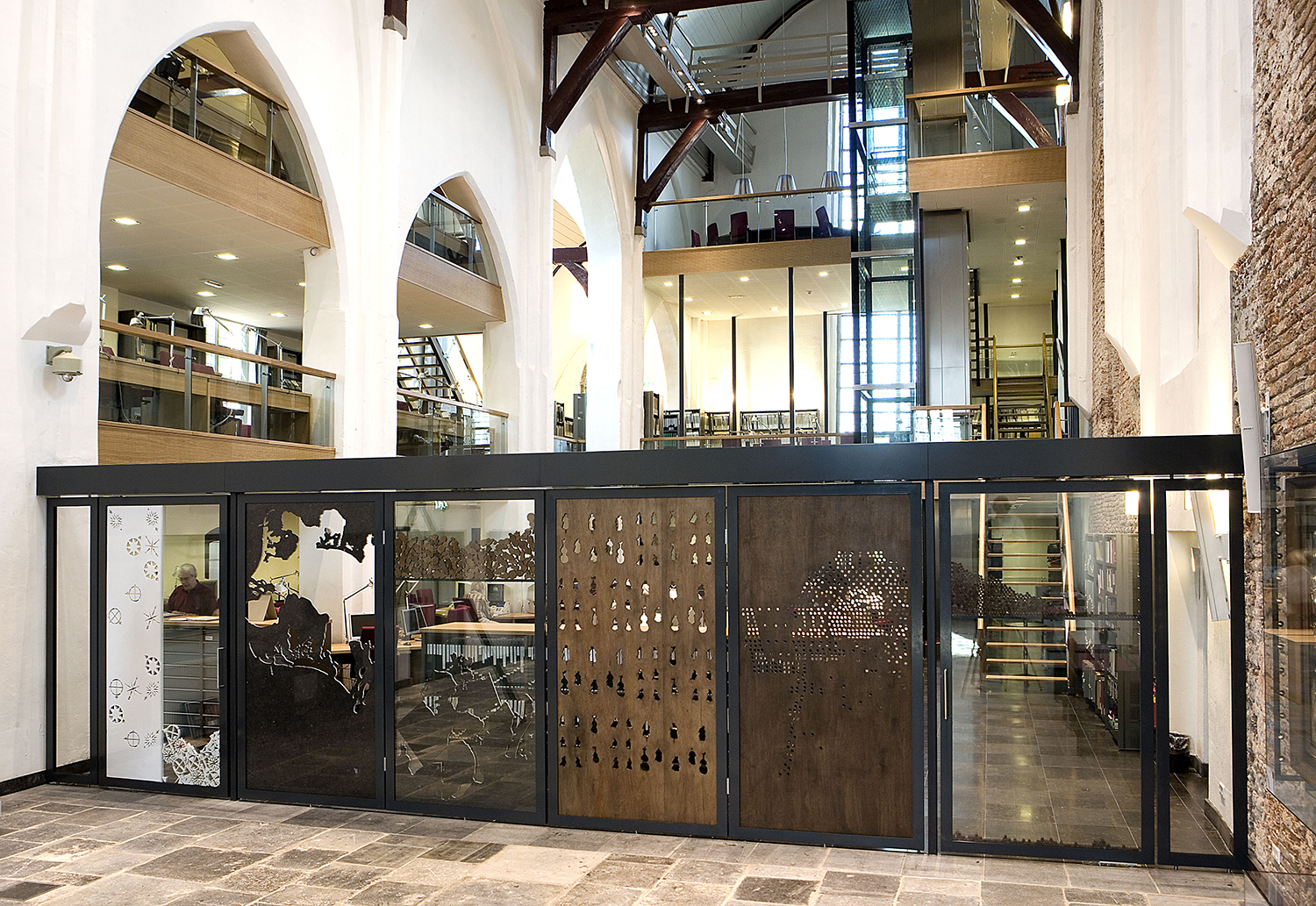
The proposal is based in a series of carved panels made out of different materials: stone, wood and paper.Some of the carvings stand on their own if the material allows it, the fragile ones, is installed like a sandwich, between glasses.
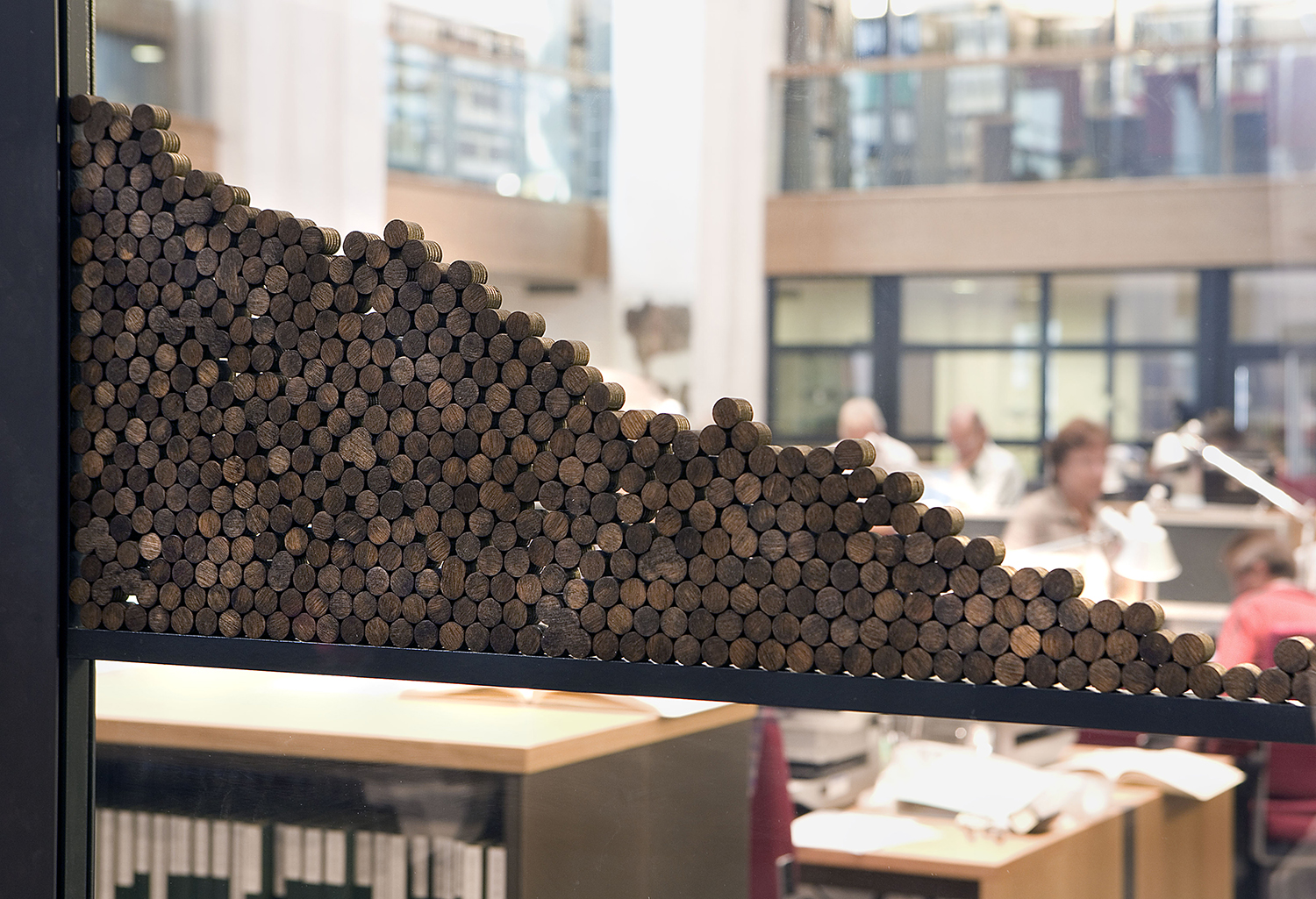
Detail: The Mapping Impulse, 2007
Steel, aluminium, wood, marble, blue limestone and glass
Noord-Hollands Archief, Haarlem, The Netherlands